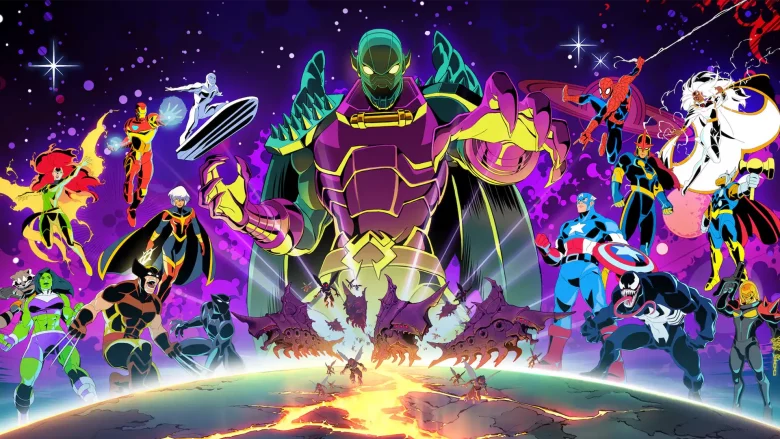
If Dotemu hadn’t already confirmed it, at this point with Marvel Cosmic Invasion it has to be said that the publisher is pretty much the king of the side-scrolling beat ‘em up. From the sublime Streets of Rage 4 through to this year’s Ninja Gaiden: Ragebound, and even the self-developed Absolum, this is a publisher at the top of its game, picking elite development partners to work with, like Cosmic Invasion’s developer, Tribute Games.
You may not remember it, but 2017’s Flinthook showed exactly what Tribute Games was capable of, and hot on the heels of Shredder’s Revenge, Marvel Cosmic Invasion delivers that 2D goodness, with a vast variety of heroes to choose from, colourful levels, a superb soundtrack, and difficulty depth that offers a reason to come back and master things, time and time again.
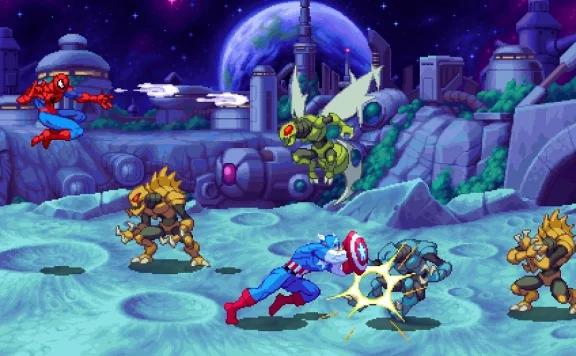
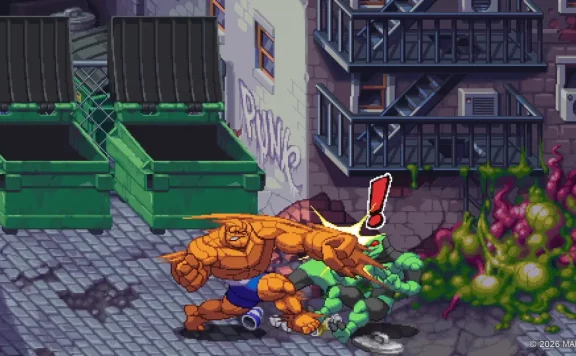
A roster of fifteen heroes makes up the game, and there are some deeper cuts than you might imagine. In this story you are jumping from flying vehicles to strange planets full of alien fauna, to enemy bases, and everywhere in-between. Every stage is a visual delight, and full of detail and vibrant imagery, which mixes well with the frenetic combat.
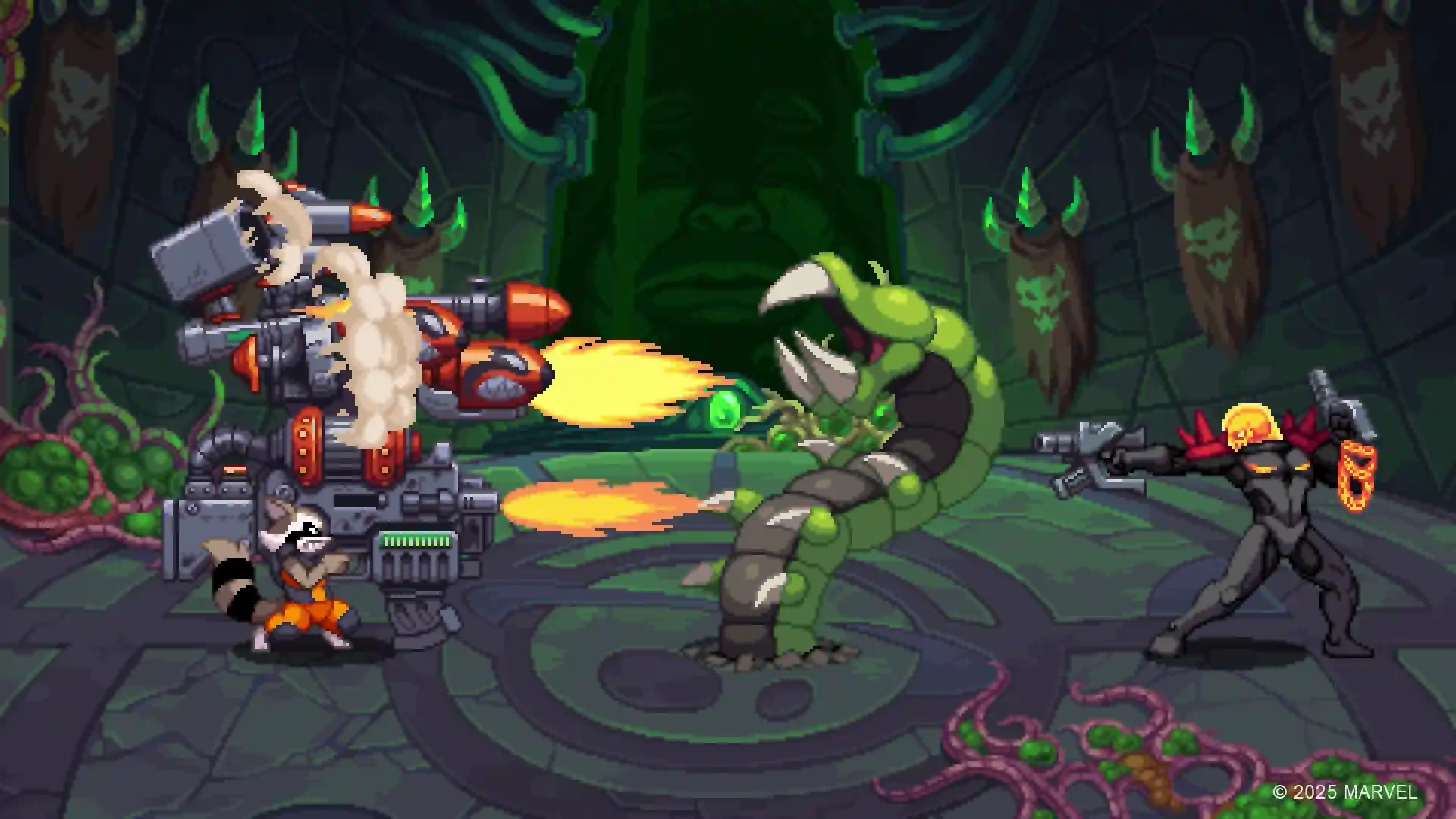
Here you’re facing off against Annihilus, who is waging war across the entire galaxy, and it feels like so many heroes are involved at such breakneck speed, it’s almost difficult to keep up. One minute you’ll be facing off against a friend turned foe due to mind control, then the next it’s time to take down Thanos. The story is typically Marvel, and it’s an original narrative for this game.
Every character has a unique moveset, despite the buttons remaining the same. Wolverine is fast with his attacks, but whereas hitting “Y” for him will grab them enemy and let you either pummel them or throw them (and juggle, thanks to that), Spider-Man will instead throw a web at the enemy. Likewise, the special attacks are all unique, and a killer key feature is that you can tag in other heroes, since you select two at the start of each stage. Hitting the left bumper will activate a tag, but if you press a face button it’ll bring your fellow hero in for a quick combo, before leaving you solo again. While the art style may draw you in, this simple to play but difficult to master combat is the star, offering nuance and genuine reason to mix and match heroes as you play.
Simply playing as a hero will level them up, and at the end of each stage you will gain a buff if you fully max out a level. These range from upgrading your max health to your passive abilities. Every hero has a unique passive, you see, and while these offer a nice way to differentiate some of the more similar heroes (Venom and Spider-Man, for example), they’re not something that’ll warrant too much attention.
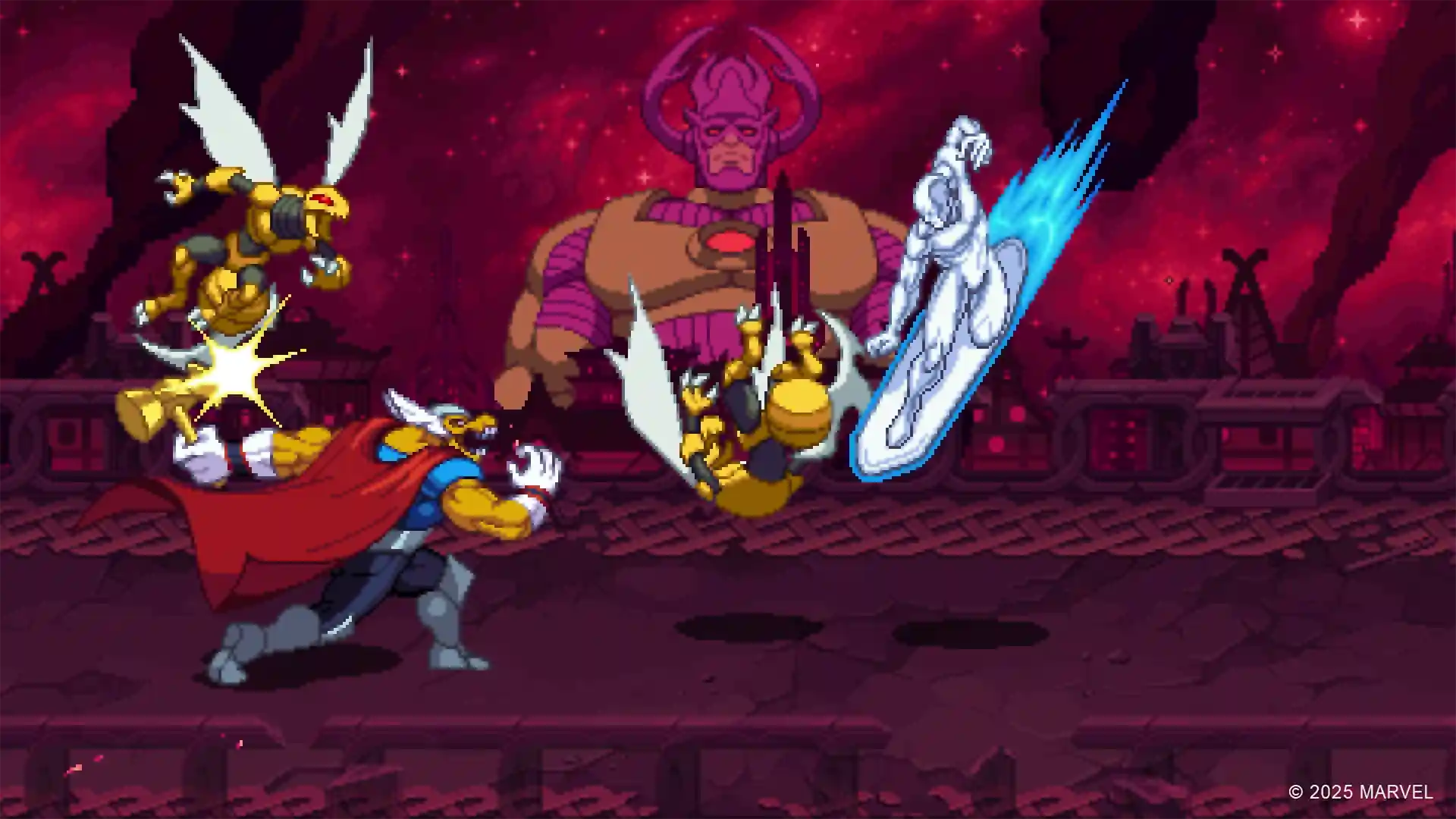
This levelling system does cause a slight imbalance as you progress through the multi-stage, fairly lengthy campaign. Each stage has three bonus objectives which will usually include one for each specific character, and the third is a stage-related one (avoid hazards, for example). This means you’ll want to use a new character to complete their related bonus, but they will likely be underpowered if, say, you’ve been favouring Captain America or Beta Ray Bill. It’s not the end of the world, but towards the end I did have to ignore the objectives because some of the levels were getting more difficult and I needed my powered-up heroes.
On that note, the difficulty is pretty even throughout, but the back end of the campaign seems fairly heavily loaded with bosses that have shields that can regenerate, and environmental hazards that will interrupt your flow. Things are mixed up nicely with boss battles that require you to focus on disabling specific elements to be able to damage them, but it gets a bit projectile heavy towards the end, overall. Likewise, there are some attacks that will take priority over your own, and I was never entirely sure why. Sometimes I felt like an opponent would randomly just start hitting me through my combo, but it’s never consistent enough to be annoying; but it is worth mentioning.
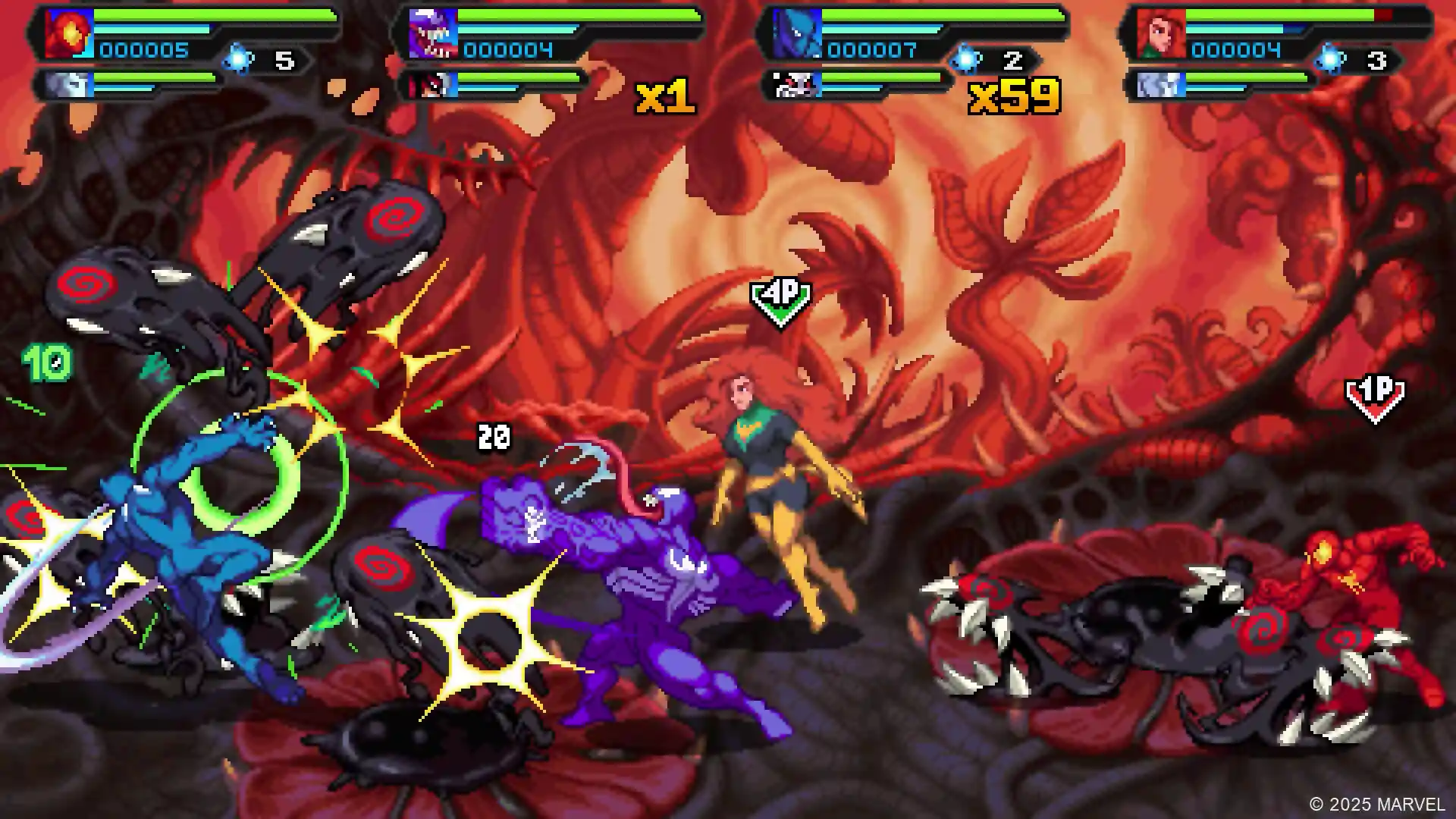
While I’m having a moan, the main campaign (which is drop in/out co-op for up to four players, and adaptive with it) is surprisingly long, but there are no mid-level checkpoints. Should you die to the boss, you will have to replay it from the start. Each level is around ten minutes or so, but I was a tad surprised to not have the game checkpoint before a boss and throw me back to the start. It’s not extremely difficult, but if you’re trying to get those objectives with lower-level heroes, you will likely perish a few times trying.
There’s an Arcade Mode which offers no continues and is more of a traditional… well, arcade style of game. It’s for the player demanding a higher challenge. There’s a vault that lets you unlock modifiers, soundtrack items, lore to read up on: it really does feel the full package.
With a large list of heroes, a cracking campaign to go through, and plenty of reasons to replay it, Marvel Cosmic Invasion really is another home run for Dotemu and Tribute Games. From the smallest of details on the hero animations, this feels like a love letter to the source material. Despite some minor gripes, and the fact that if you’re not a 2D beat ‘em up fan, this won’t change your mind, Marvel Cosmic Invasion really is just another fantastic entry into the genre.