Art is often a reflection of the soul. You write what you know; you paint fragments of your past; you sing about a broken heart. Anyone that has ever created something will know the catharsis it brings, as well as the fear of having it ripped apart by the people who are free to experience it. Creation is vulnerability. It allows freedom just as much as it allows an audience to consume and critique. Project Songbird is personal beyond compare, and it is something that’s never trying to be anything else.
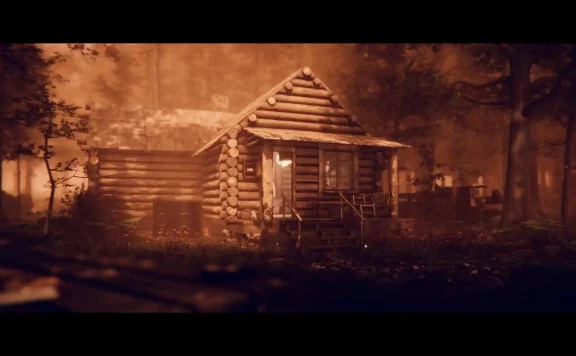
It follows the story of Dakota, a singer-songwriter who’s going through a creative block. Their last record didn’t resonate with the fans, and the pressure is on to write an album that sells records rather than allowing Dakota to make something they want to. It highlights the dichotomy between playing it safe for money and creating something that resonates with the auteur. In an effort to find that spark, Dakota’s boss arranges a stay in a secluded cabin in the woods where Dakota can reconnect with their artistic flare. The problem is, at what cost?
Project Songbird is described as a first-person, narrative-driven, cinematic horror (deep breath). While it touches on all of these genres, it also breaks the fourth wall. It feels like you’re diving into the developer’s mind multiple times. Dakota is a character, but Conner is the beating heart of its story. It’s relatable for those who understand the pressures of creating a magnum opus under pressure, and it does so in such a unnervingly gentle way. There is a fragile beauty to the story. I enjoyed the relatively short runtime, as it weaves a poignant narrative with some good gameplay.
Dakota starts to explore their surroundings in the cabin. It’s quiet yet uncomfortable. Open yet claustrophobic. Something isn’t quite right about the retreat, and it doesn’t take long until things start to get weird. After trying to find inspiration in the peace and quiet, the horrors of the Appalachian Mountains start to reveal themselves. Armed with little more than an axe, a camera, and a Dictaphone, you start to see and hear things that give you an uneasy feeling in your bones. Suddenly, things start to go from bad to worse.
Project Songbird never made me outright scared. Some of the attempts at scarier moments are let down a little by familiar tropes. Once you’ve encountered the monsters a few times, the fear subsides. It’s in no way a bad attempt in the horror genre. Far from it, in fact. I would hazard a guess and say that the real fear is in Dakota’s personal demise at the hands of her creativity deteriorating that what it personifies around darkened corridors. However, this whole paragraph goes out the window during one Weeping Angel-inspired segments.
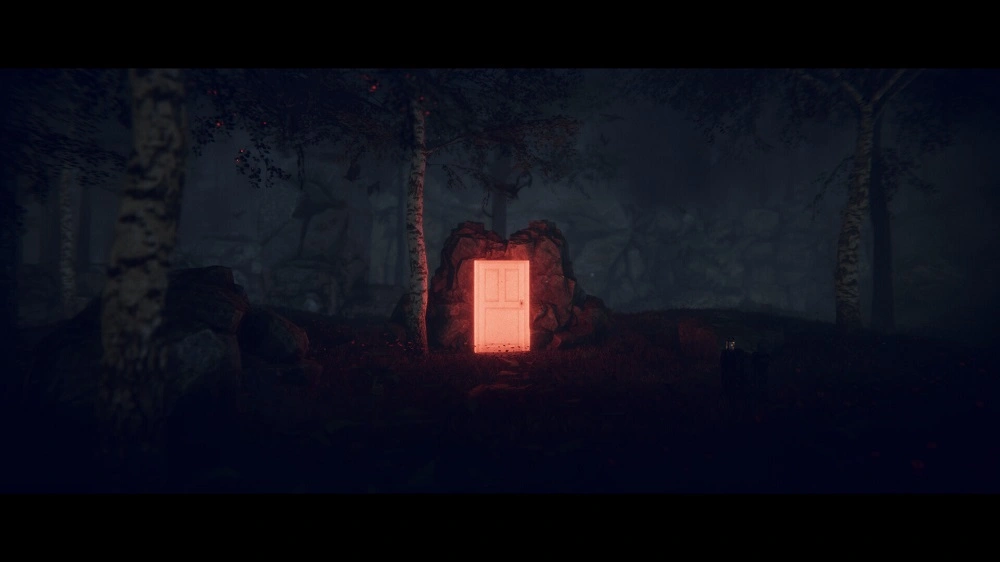
Haunted by visions of a red door that shouldn’t be opened, Dakota finds themselves drawn into confronting their pasts in a series of creepy excursions into the mind. Project Songbird is never outright scary, but it does lead you into some weird locations where you’re being hunted. One of the first locations sees you creeping around a building littered with mannequins and office spaces, trying to avoid being attacked by a monster in the dark. There are ways to attack the enemy, but your axe can break, forcing you to try and repair it with limited scraps.
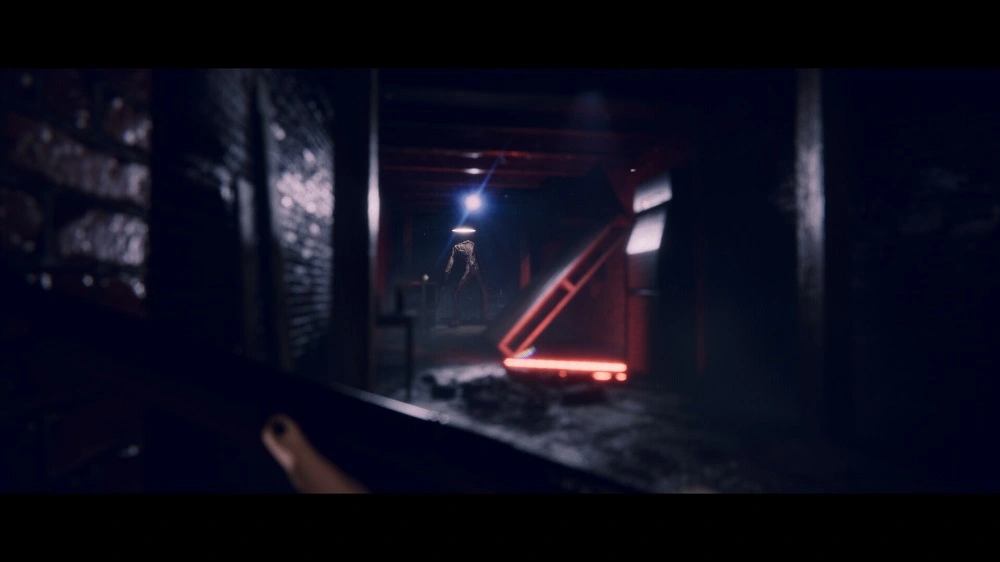
There’s not just an axe. Dakota does get to use a gun, but again, it’s more of a means to find respite than going full throttle in unloading myriad bullets into a monster’s belly. Project Songbird also has a range of puzzles that hark back to those layered puzzles seen in the likes of Silent Hill. There are many inspirations here, and they all help to create something that fans of Everybody’s Gone to the Rapture or Layers of Fear will enjoy. Puzzles aren’t complicated and obtuse, but they do rely on you paying attention to the task at hand.
The visuals are beautiful. There’s a definite indie vibe to Project Songbird, with an almost grainy filter over the lens. The sunlight surrounding the cabin is gorgeous, but when it gets creepy and unsettling, lighting is utilised well to give you that feeling of carrying a heavy stone in your stomach. The sound design is also impressive. The music is fantastic, and there’s a deep love for some artists Conner is fond of, but it’s the way sound is used to build atmosphere that makes Dakota’s journey enriched.
Project Songbird is a deeply personal game. Often feeling like your intruding, the story offers a deep connection to its developer. However, Conner welcomes you in with open arms. As Dakota bares more of her soul, so too does Rush. It’s something that kept me deeply interested in the narrative, especially as someone who adores these types of games. It may not connect with everyone, but that’s what art is, right? Giving up everything you are or staying true to yourself is a fascinating concept, one that is on full display here.