
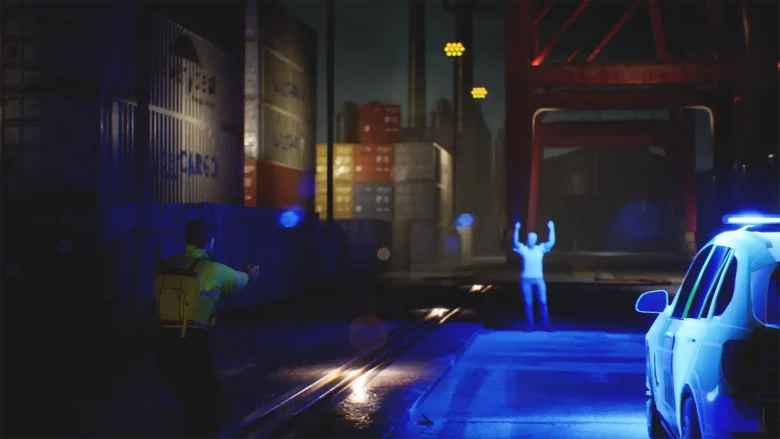
The Department is a game that has come from nowhere, but has captured the imagination of many people thanks to its unique idea. In a year where titles like Blue Prince and Hell is Us have offered unparcelled player agency, The Department is a new narrative driven detective game that’s coming to early access that will let you investigate crime scenes, and work out the solutions to the cases yourself.
We spoke to Producer on The Department, Connor Simmons, about how development is going, the reaction to the reveal trailer, real-life experiences that go into the game, how important the Welsh development scene is, and much more.
How is development coming along so far?
Really well, we’re very happy with how things are shaping up. Coming from a TV background, we were trepidatious about stepping into a new industry and adapting our knowledge to a new medium, but we’ve been really happy with the team we’ve managed to build. Every day brings new improvements and refinements, and we can’t wait to show people more of the game once we think it lives up to its promise.
We noticed you include Welsh descriptions on Steam page, how important is your heritage to your process/development? It seems Wales is a flourishing dev-scene right now!
Very important. Most of the team are Welsh, several are Welsh speakers. COPA Gaming’s entire mission statement is to develop video games that showcase and celebrate Welsh culture. The first people to really believe in the project were Creative Wales (the Creative Industries support branch of the Welsh Government) so it’s fair to say we literally wouldn’t be where we are now without Wales’ support. Cymru am byth!

Just how much of the real-life policing experience from director, Osian, plays out in The Department?
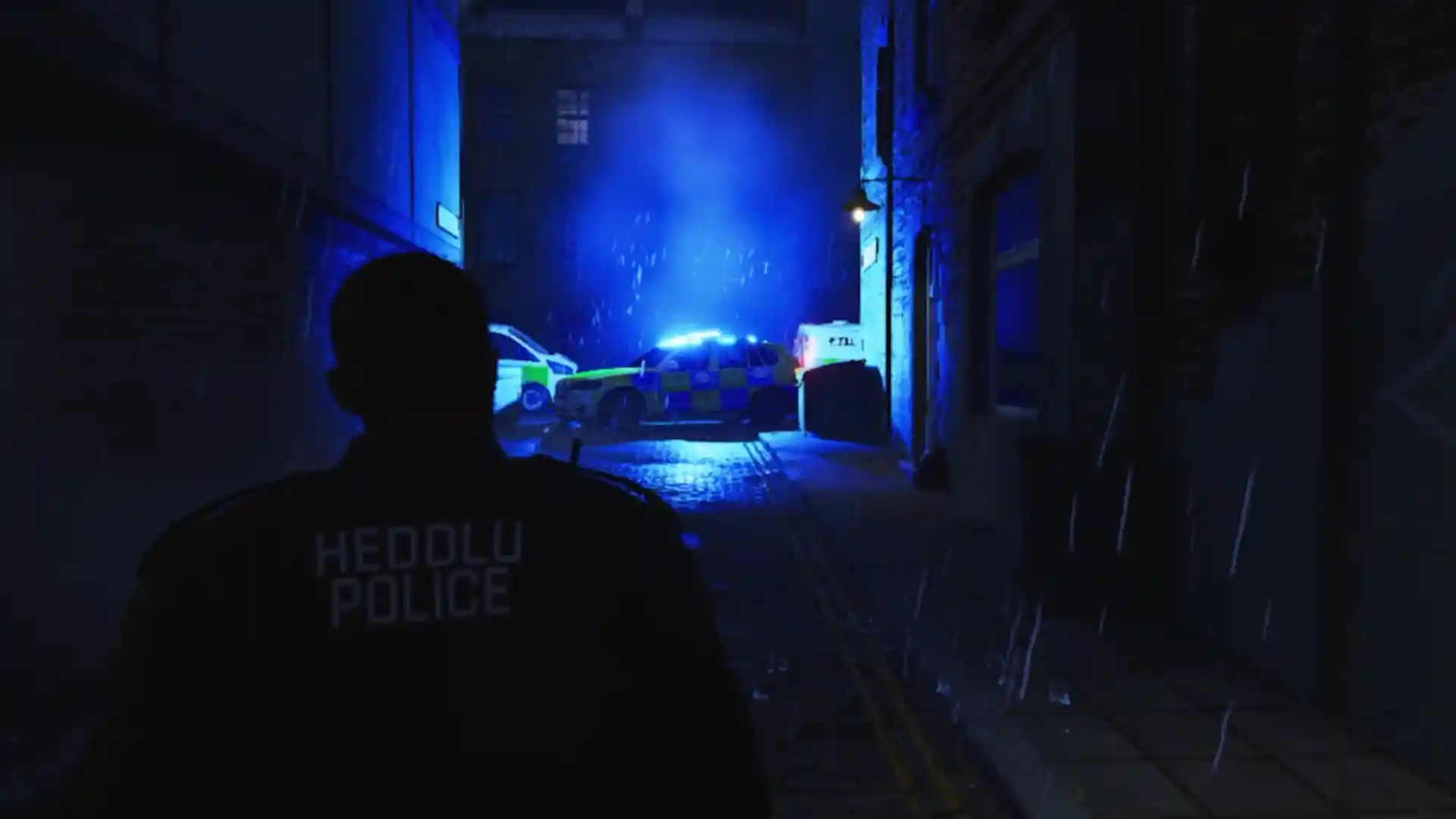
His experience informs everything in the game. It’s most obvious in the aesthetics and the jargon the characters use, which we’re keeping as true to life as we can. That being said everything we draw on has to be in the public domain, for obvious legal reasons. But it goes much further than just uniforms and call-signs.
One of the core philosophies behind the game’s design is letting the player fail. There are no retries, no handholding. There’s a lot of pressure on the player to not only think like a detective, but to think like a police officer – wherein you have to not only identify the criminal but prove your case and be professional whilst doing so. There’s a great deal of that same pressure in real-life policing, where at any point a mistake you make could lead to dangerous people evading justice. It’s a pressure that will affect the main character throughout the game, especially if the player consistently fails.
You mention that cases take around two hours, and the early access version will include one case. Do you have a plan yet for how many there will be, total, and how long the experience will be?
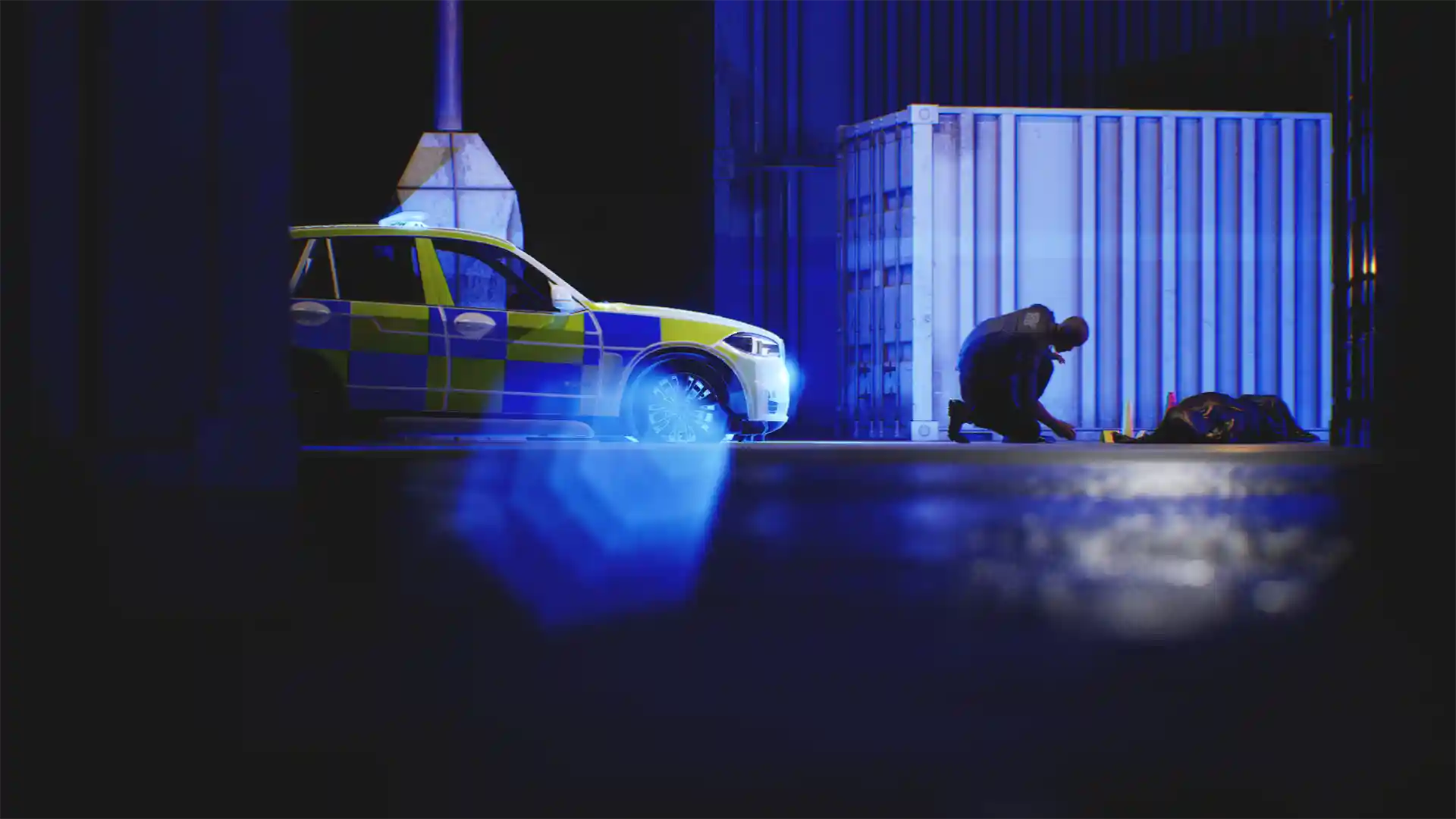
The game consists of three acts, three cases. We anticipate that each case will take between 2-3 hours to complete, but it’s an investigation game. The speed at which players can get through a case heavily depends on how quickly they can solve the puzzle. Some players will want to explore every scene in great detail and take their time examining their case boards, others will try and blitz through the case in under an hour.
The latter will probably get it wrong… but still.
On a similar note, how often do you anticipate being able to release new case into the early access version?
At this point we can’t say. As the team develops and our tech improves, our output increases but we’re still early in development. That being said, the episodic nature of the game’s structure means that there is potential for us to be releasing new cases on a semi-regular basis. We don’t know what exactly that timeline is right now but it’s a goal the entire team is pushing for.
Your Steam page refers to “mishandling” evidence, and “improper treatment of suspects”, can you elaborate on examples of this and how it might work in-game?
The game has a behind-the-scenes way of tracking how you’re performing. We call them Investigation Points, which we award for everything from successful completion of forensics minigames to extracting key information from interviews. Investigation Points are an invisible currency that the player will accumulate throughout a case, but they’ll never know how many they have until the case’s conclusion.
Games where the player is given higher agency to solve riddles and puzzles are on the rise, it sounds as though The Department won’t hold the player’s hands at all. How do you keep a game intuitive while also giving such a big amount of import to choice?
The world will react in subtle (and sometimes no-so-subtle) ways when a player is acting in a manner antithetical to that of a police officer, and there will be a tutorial in which the player can make mistakes without any lasting consequences. But beyond that, the guard rails are down. At no point are we going to stop the player when they’re in the process of making a mistake. We believe that in the long term, agency is a more compelling gameplay hook than railroading, and the best way to learn something is to screw it up a few times.
How was the reaction to the reveal trailer? Did you find it got across what kind of game The Department will be? We noted you explained specifically what the game isn’t in a Steam post, did people think it was something else?
The reaction really blew us away. Across all our social platforms we racked up over 200k views in 48 hours, which is pretty wild for a first game from a studio our size.
We come from a TV background, and we’re all huge film nerds. The Department will be a cinematic, narrative-led game, which we think the trailer gets across very well. There will be more gameplay-centric trailers down the line, which we hope will show people how we intend to blend the drama and cinematic scope of the trailer with a cerebral, immersive gameplay experience.
Even before the trailer, basically since we started talking about the game on social media, the question we most often get is “is it an open-world armed response game?” which at no point have we claimed it to be. I think that’s indicative of how many people out there are really interested in that kind of experience, and whilst we’d love to make The Department on that kind of scale, we’re just not there yet.
Maybe for the sequel.
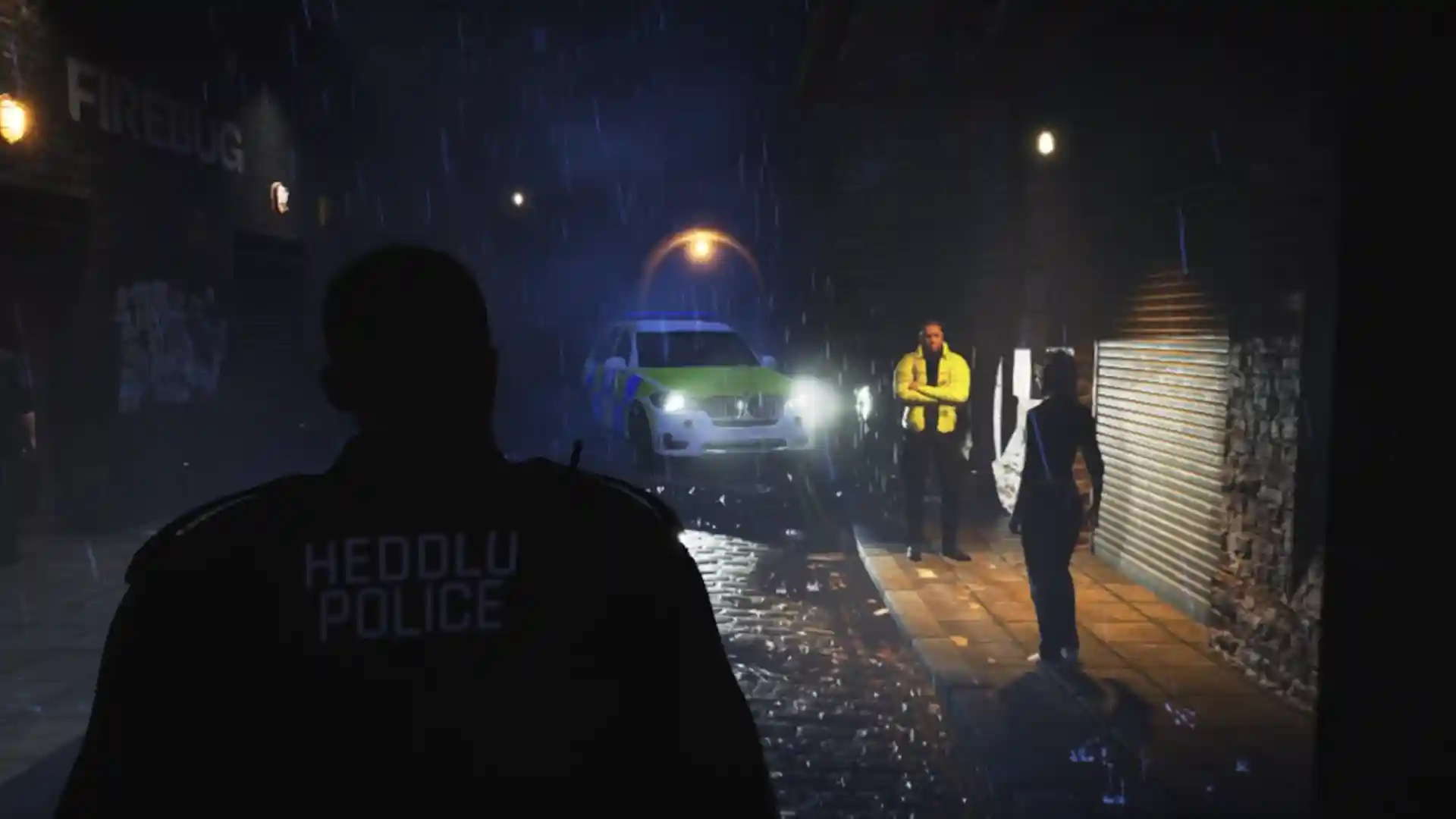
Have you been taken aback by the large number of people suddenly following your game and taking an interest? It must be lovely!
Yeah, it caught us all by surprise. For a project this early in development, from a new studio in a relatively underserved genre (in video games at least), the following we’ve found is unusual but far from unwelcome. It seems there are a lot of people who are keen to see a game set in Wales, and a lot of people who are fascinated by UK policing. The Department sits quite nicely in that Venn diagram. We’re really glad to have people along for the journey who care about the project, it’s definitely a motivator.
Obviously police work can go down a very dark route, crime-wise, how far will The Department go with things?
It’s going to get dark. As much as we’re keen to bring our real-life policing experience to the fore, we’re also big film fans. I don’t want to give too much away, but suffice it to say Se7en, Mindhunter, Luther, and Chinatown are all big inspirations, and we’ll definitely be bringing that darkness to the fore in The Department.
Thanks to Connor for taking the time to answer our questions.
The Department is coming soon to early access on PC via Steam.