
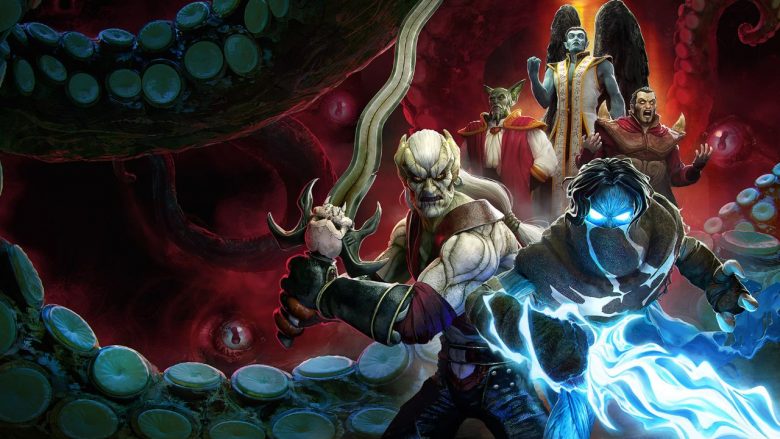
I’m on record as saying that Soul Reaver and Soul Reaver 2 are in my top twenty games of all time. I played the original releases multiple times, falling deeply in love with the world, setting, characters, imagery, and perhaps above all, performances from Simon Templeman and Michael Bell as Kain and Raziel, respectively. Before them, Blood Omen had been a permanent fixture in my PSOne. But while Defiance was essential because it effectively finished off the saga of the Soul Reaver, I never held it in quite as high a regard. Now playing through Legacy of Kain: Defiance Remastered, I’m remembering why.
It’s not that it was a bad game. It’s difficult to judge now, of course, with it being twenty-three years old, and with even the remasters of Soul Reaver and its sequel feeling incredibly dated when they were released a few years ago, but there was something about Defiance that, as with Blood Omen 2, lacked the overall dazzle of Raziel’s solo adventures.
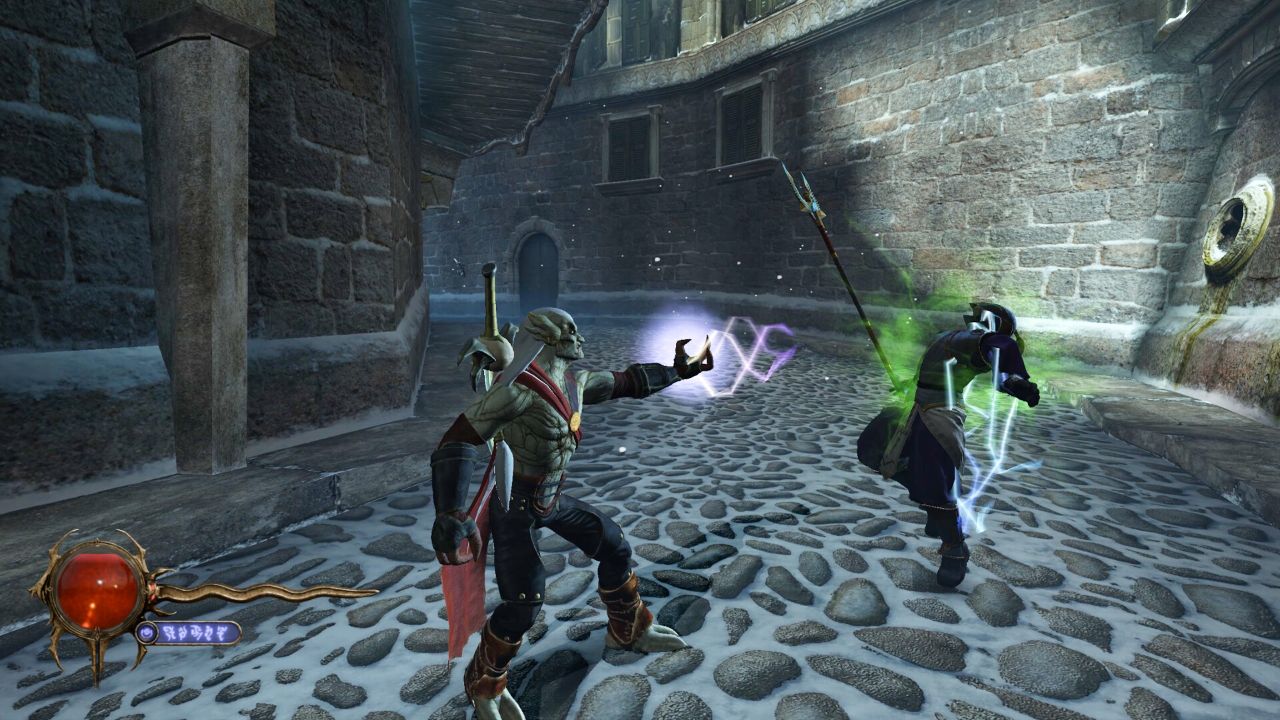
Part of this might be that Kain is just bigger, tougher, and slower than Raziel. Moving him around feels somehow less fluid, and the environments for the most part seem more drab and uninspired by comparison. I remember Defiance fondly for the conclusion of the story, but I realised while playing through the remaster that my positive memories of that element have rose-tinted everything else. In broad terms, Defiance just isn’t a very good game.
It becomes obvious right away as you trudge through a seemingly endless run of drab rooms and battlements, fighting human enemies who don’t stand a chance against Kain, flinging them off balconies and into wall spikes. It doesn’t feel exciting, and on two occasions I accidentally set the graphics back to the 2003 original setting and didn’t realise for several minutes, which isn’t a good sign.
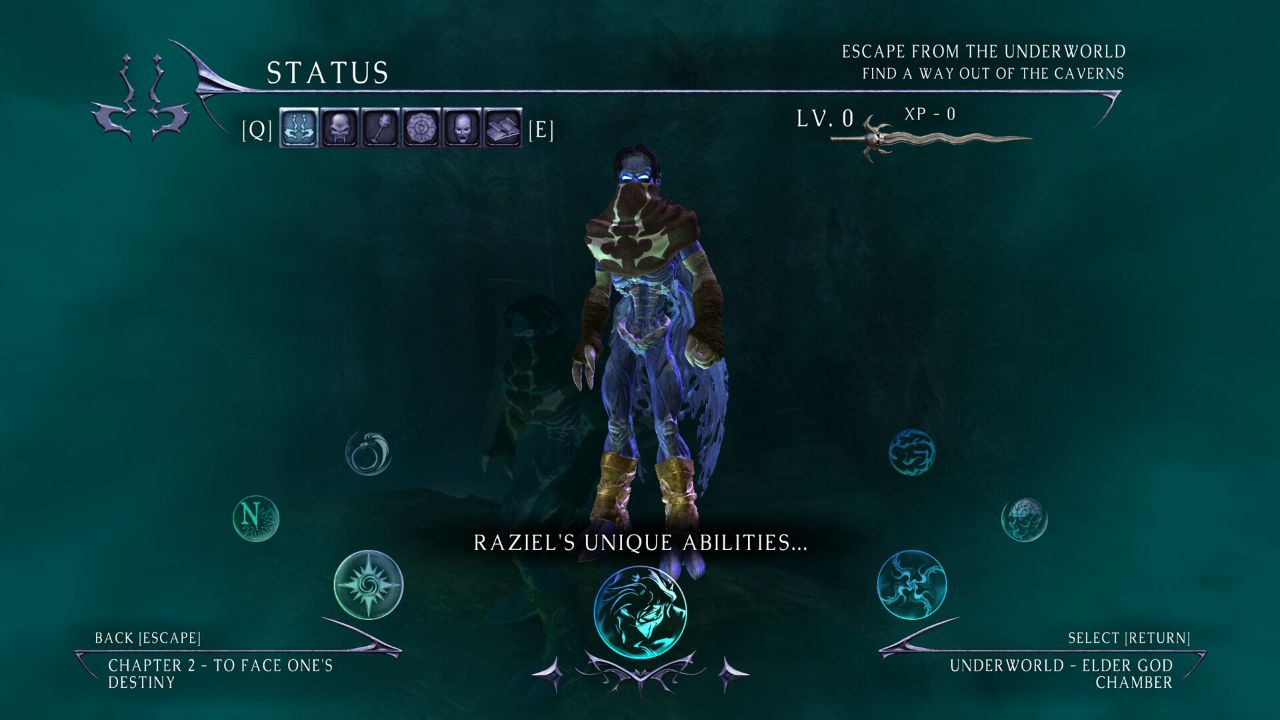
What made Blood Omen, Soul Reaver and Soul Reaver 2 so damn good was the ever-present atmosphere. It was a canvas upon which Bell and Templeton wrought a masterpiece of a series, delivering some of the most quotable and memorable dialogue in gaming, and creating a world that felt grim and doomed but also majestic in a way that Defiance just can’t quite manage, which also isn’t helped by a lick of paint and pretty much nothing else.
Sure, you can replay some of the infamous “lost levels”, which are really just mostly empty rooms to run around in, or you can even sample the small playable demo of the cancelled, Kain-led sequel, Dark Prophecy, but it feels clunky and uncomfortable to play, and raises mixed feelings of sadness that we never got it but also relief that, well, we never got it.
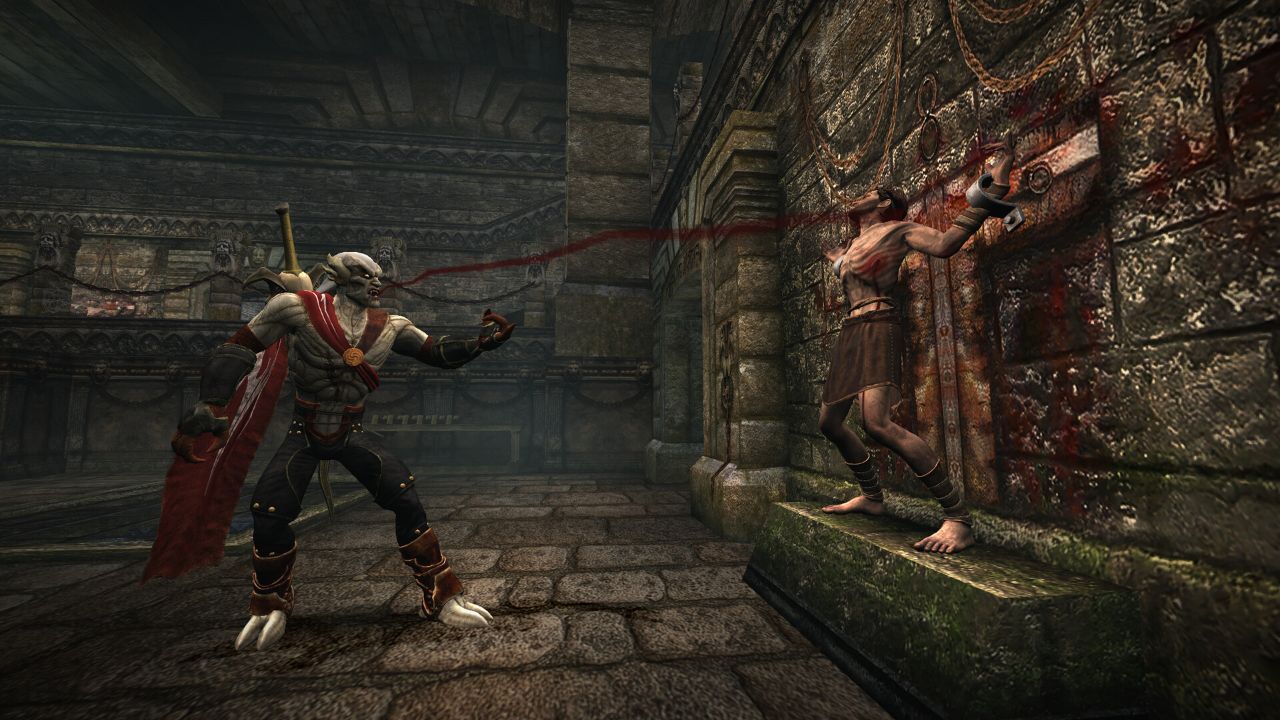
The story of Legacy of Kain: Defiance Remastered sees you jumping back and forth between protagonists, and I’m not going to pretend for a moment that listening to Raziel’s sassy quips and Kain’s baroque grandstanding was any less fun now than it was then, but it’s fair to say that the shine has well and truly worn off. Perhaps it’s unfair to complain about that, given that this game was released so long ago, but it’s also fair to say we expect more from a remaster. Personally I’d prefer a ground-up remake but with all the same voice recordings, but we’re not getting that, are we?
Ultimately, Legacy of Kain: Defiance Remastered is a pretty bare-bones remaster of a game that struggled to provide a mechanical conclusion to its story that matched the emotional denouement of seeing the storyline come full circle. It might be worth playing just to hear some of the line deliveries again, to be honest, but that’s not a reason for me to recommend it now. It was never a mind-blowing game to begin with, and sadly this remaster doesn’t do an awful lot to modernise or otherwise improve the experience.


