Can a prison game be cosy? Previously I’d have said no, but having spent over a dozen hours banged up in Boulderton Prison in Back to the Dawn, I’m not so sure now. Yes, it’s a bad place for people who have mostly done bad things, but there are also lots of friends to be made and experiences to share together, which coupled with the warm, fuzzy visuals and the strict daily routine often had me forgetting I was banged up behind bars.
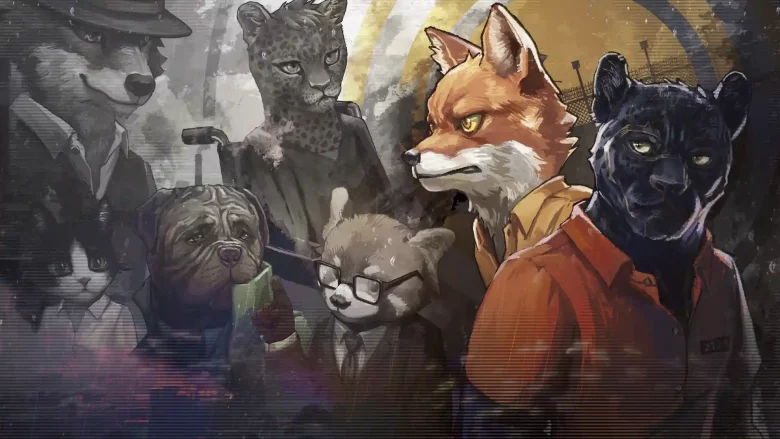
As for why you’re in Boulderton Prison in the first place, that depends on your character choice. Your options are Thomas Fox, a reporter framed and locked up for getting too close to mayoral corruption, or Bob Panther, an undercover cop on the trail of a wolf. There’s a surprising amount of depth here, which sets a precedent for the game that follows, with both characters featuring different starting stats.
I went with Thomas, and as a journalist he was obviously not as tough as a police officer, but he was still pretty agile. You also get to choose the specific character backstory, which for Thomas means choosing the type of reporter he was. Each comes with different positive and negative perks as well as additional skills, so I opted for the undercover journalist which gave buffs that I didn’t quite understand at the time of choosing, and the ability to craft items which was immediately valuable.
It’s a little hard to describe what Back to the Dawn actually is, because I don’t think I’ve played anything like it. It’s an RPG, but more akin to Disco Elysium where decisions are made based on skill checks and dice rolls, but then there’s a lot of relationship building thrown in for good measure (hence the cosy game posturing earlier). It’s a prison, so sometimes you’ll need to throw down which involves turn-based combat here, and it’s all tied together with a strict daily routine and the need to meet your body and mind’s basic needs so you stay healthy and sane, which had me planning out each day ahead of time, like I do with Stardew Valley.
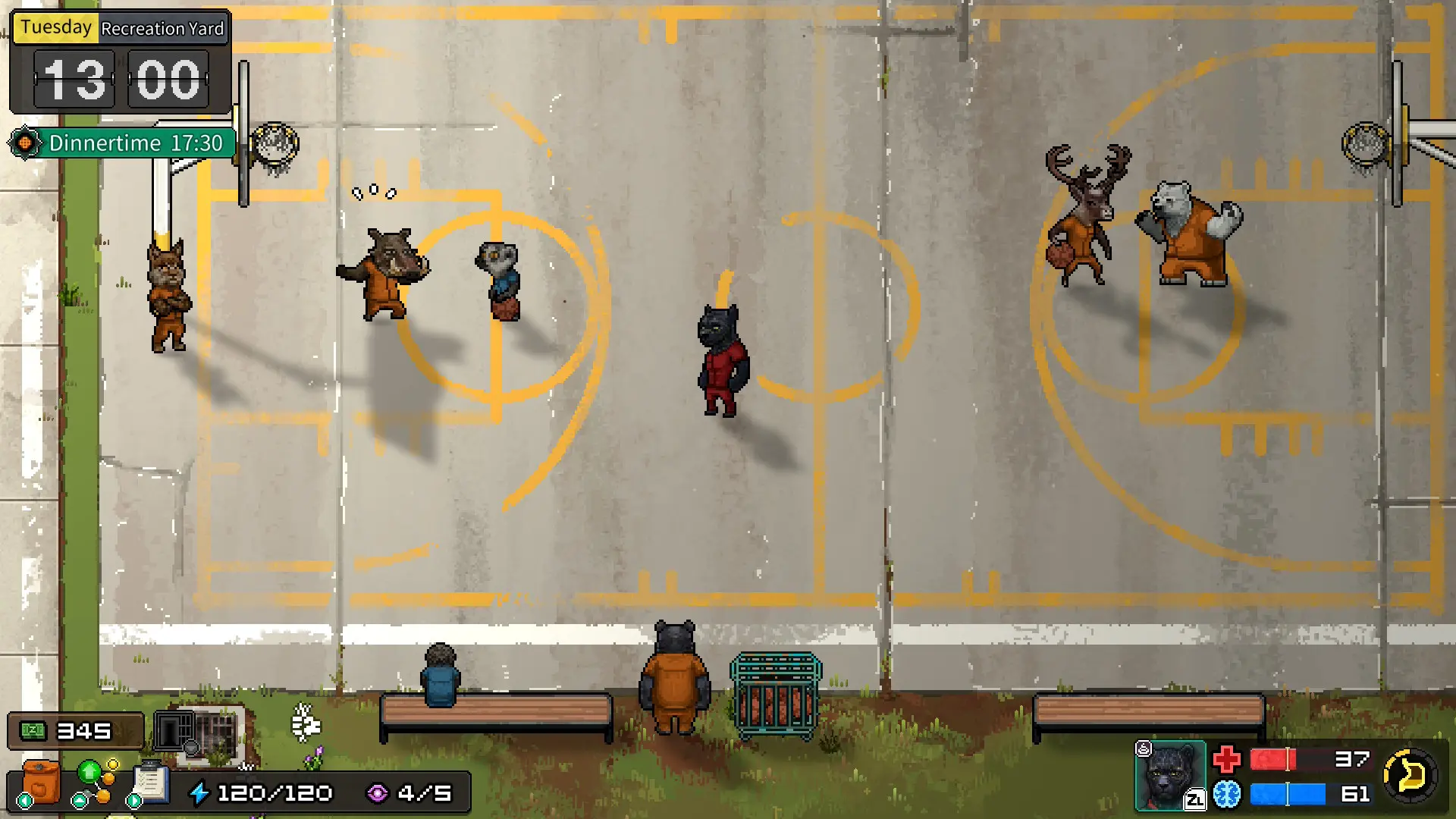
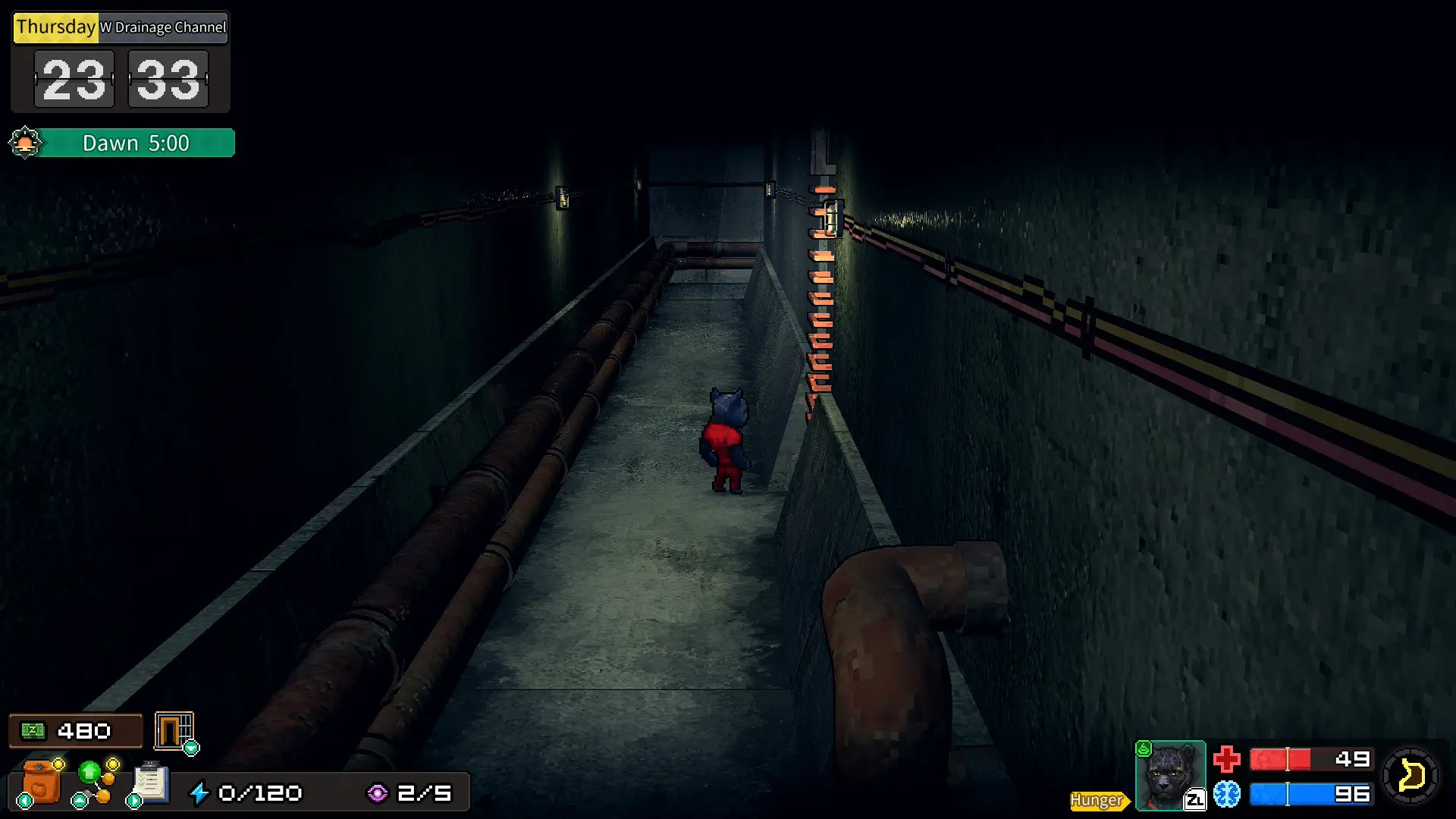
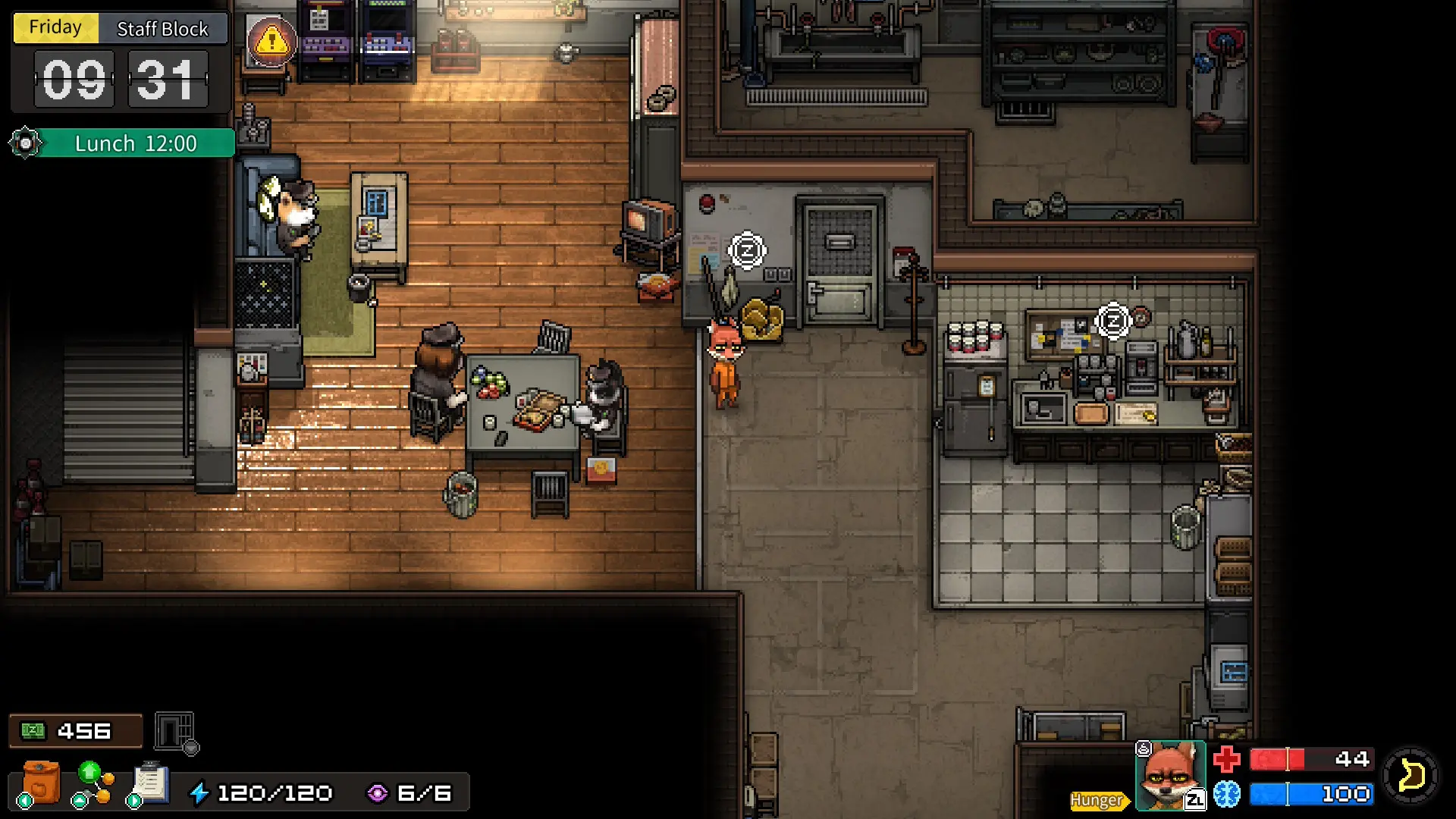
If it sounds like a lot, it’s because it is. The game’s a bit overwhelming at first: despite some decent onboarding there are stats and shortcuts everywhere. It took me a few hours before I was comfortable with the amount of information I was seeing on-screen, but I was utterly hooked the moment I was. There are meters for everything, whether it’s your physical or mental stability, your health, and even your bowels have one so you know when you need to take a trip to the toilet. It was a struggle to decide what to look at first but as you progress through the game these pieces naturally fall into place.
Prison life is heavily regimented and this is partly why I found myself so engrossed. It’s got the “one more day” addictive quality that the best farming cosy games have, with you planning out tomorrow before today’s even finished. Each morning I’d get up, give my cellmate a gift in a (usually unsuccessful) attempt at building a relationship with him. After headcount, I’d go and work for a few hours to earn some spending money, before lunch, followed by afternoon rec time and then back inside for an evening of socialising and scheming before bed.
It sounds fairly simple, but between the quest system and the sheer volume of things to do, it’s easy to find time slips away from you. Like the best RPGs, quests are often found organically. You may start doing some busywork for Bruce, the head guard, but this can spiral into a series of other questlines that involve you with gangs, or start you on a route to securing your freedom by escaping prison. Following these quests tend to put you in different scenarios, whether it’s planting evidence on fellow inmates, carrying out jobs as part of a gang initiation, crafting new items to aid in your escape or just gathering intel from around the prison as you’re working.
There are about half a dozen different work assignments you can find yourself on for earning extra cash, and while you start off in the laundry room, with “good behaviour credits” you can get yourself work in the mailroom, kitchen or even the staff areas. Working involves simple minigames to complete mundane tasks like sorting mail or ironing jumpsuits, and they’re fun enough but the game understands you’ll likely be doing these a lot so once you’ve done a minigame three times you unlock the ability to just let your character complete the task automatically, which I really appreciated as I spent every morning working for 2-3 hours to earn up to $250 a day.
When you’re not working or spending time trying to complete quests, you’ll probably want to be working on improving yourself. Thomas is, to put it frankly, weak as a kitten. On my first day in Boulderton, I got to afternoon rec time and a crocodile tried to extort money from me. If TV has taught me one thing about prison it’s that you need to be ready to throw down at any moment, so I did, and within about 60 seconds Thomas was lying in a bloody pile on the floor. He was never a fighter in any of my playthroughs but he did fare better in some than others depending on how I built out his stats. From working out in the yard, to reading books on negotiation or combat techniques, to crafting weapons or training in fighting skills with friends, there are a ton of different ways to build your chosen character. While he was never tough, I was able to build him in a way that meant he was slick with his tongue and that got me out of trouble on several occasions.
The stat system in Back to the Dawn is unlike any I’ve used before. You’ve got four key stats across strength, agility, intelligence and charisma. Each one has several locked innate specialities, which essentially act as perks. These may be fairly basic, like giving you more health or can be more unusual such as the ability to build rapport with someone simply by trading with them. As you earn experience in these four stats you can unlock these specialities as you want, or you can spend that XP on ability points. Abilities are more unique techniques that are learnt from the environment. Drinking water when you’re starving unlocks the ability to regain some of your hunger meter by drinking water, or reading enough books might unlock the ability to immediately tell what stat a book will let you level. I really enjoyed this system and found it created a level of unpredictability that meant I was always keen to try new things to see what I could unlock. You soon learn which skills and specialities are invaluable, and these become a core part of subsequent playthroughs.
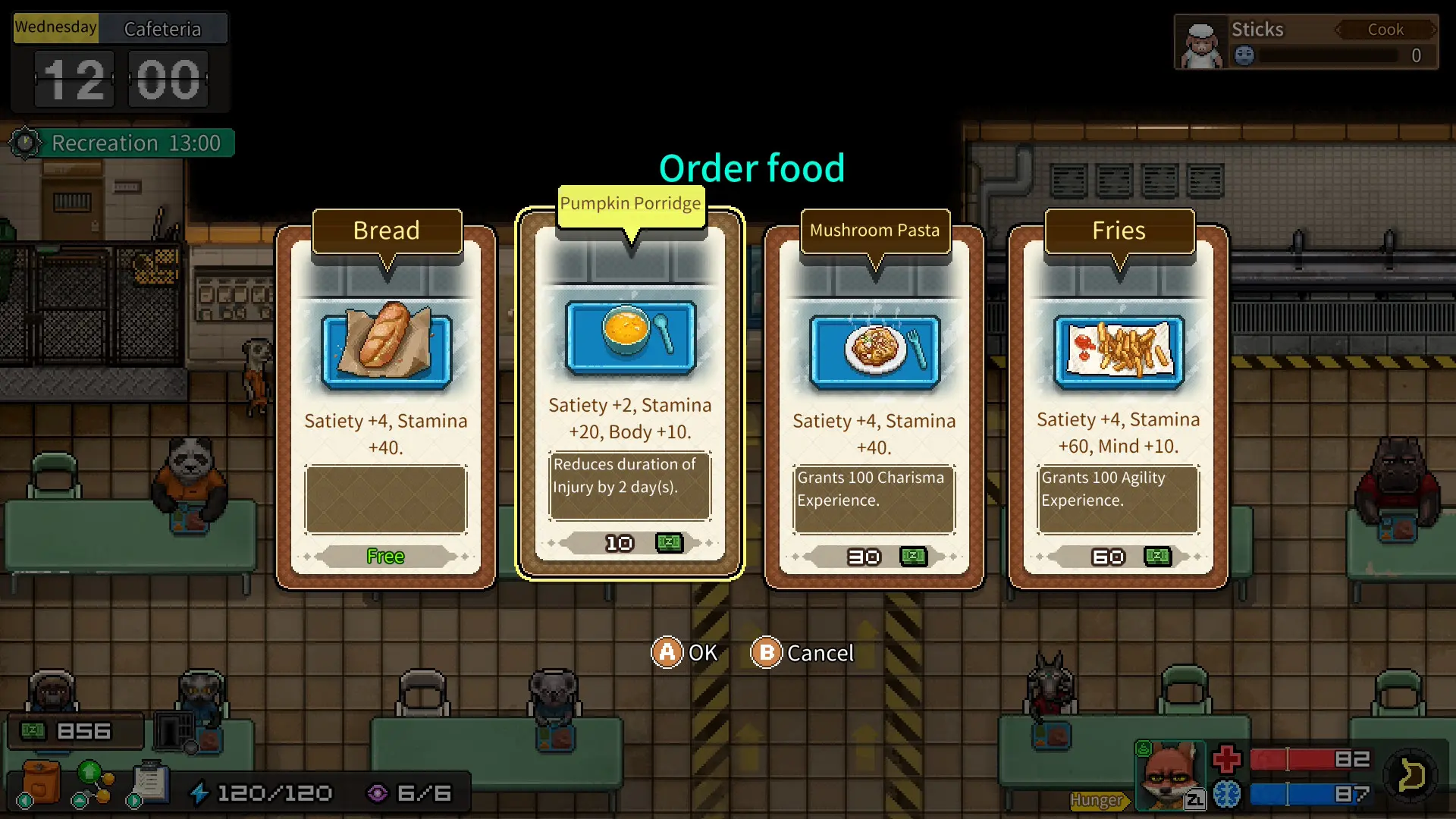
Due to narrative reasons there’s a 21 day timer on your time in Boulderton, which creates tension and also serves to make sure you’re not dawdling too much. That said, it’s clearly a game made for replaying as there are so many ways things can end. As well as all the “proper” endings that involve you leaving the prison, there are plenty of ways for things to go wrong. In my first playthrough, Thomas never really recovered after his battering from the crocodile. I didn’t understand the skill system properly and missed a vital one that makes your time much easier, so it was a constant fight to keep his mind, body and hunger meters at suitable levels. Eventually, after being plagued with nightmares, he lost his marbles on day 15 and I was told he spent the rest of his incarceration in a psychiatric facility. It was a bit frustrating as I’d spent hours on this playthrough, but also quite exciting as it hinted at the sheer number of ways this game could end. In another ending I reached the 21 day cut off without leaving the prison, which led to an ending so grim that it nearly made me forget that I’d found the game cosy for large chunks of my time with it.
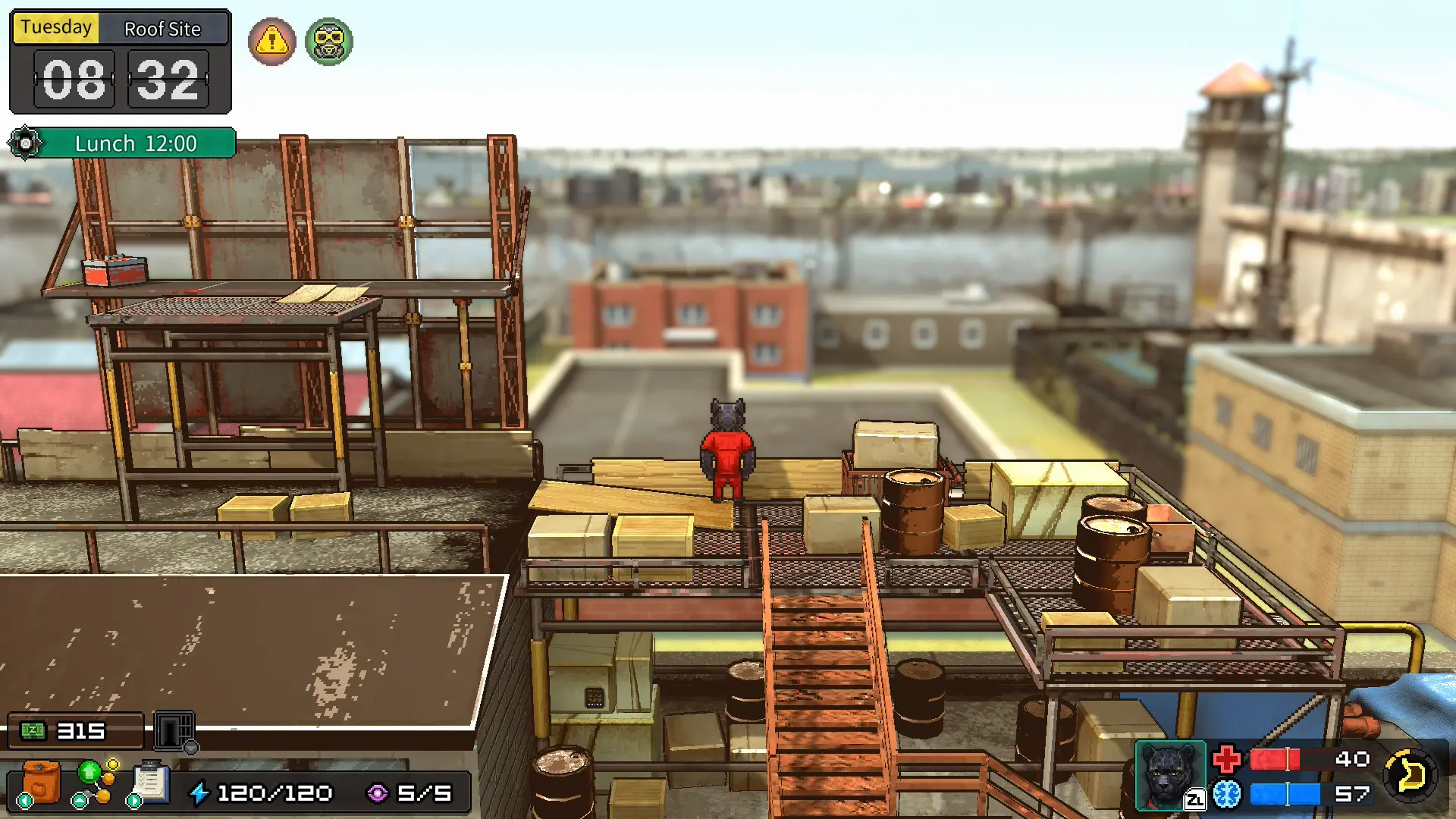
Despite the prison setting, Back to the Dawn doesn’t feel particularly oppressive or dark. Your colourful cast of fellow inmates is packed with everything from the “cute and cuddlies” to the “big and scaries”, but even the more aggressive ones never feel particularly opposing. Yes, the lizard guy may make comments about wanting to carve things into your skin, but you’ll still end the day watching a movie with him and the other lads in the rec room.
It’s difficult to get coherent thoughts down on about everything in Back to the Dawn so I’ll simply leave it at this: it’s a fantastic TTRPG with more systems than you’ll know what to do with at first, a huge cast of interesting characters and enough replayability to keep you coming back over and over again. Yes, it’s a little overwhelming at times and you can feel like you’ve wasted time if a run ends early, but it’s so incredibly addictive that you’ll be back in new prisoner orientation within minutes each time.