I enjoyed Grime when it was released in 2021, but if you ask me to recall much about it now, I’d struggle. I remember the protagonist was essentially a sentient black hole, and a lot of the mechanics were based around altering your body to take on new forms. I liked it, but I can’t remember why, exactly. Clover Bite’s Grime 2 builds upon some of its predecessor’s ideas, yet makes itself a little less unique at the same time.
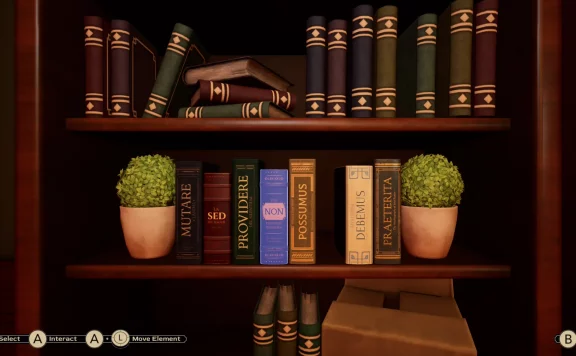
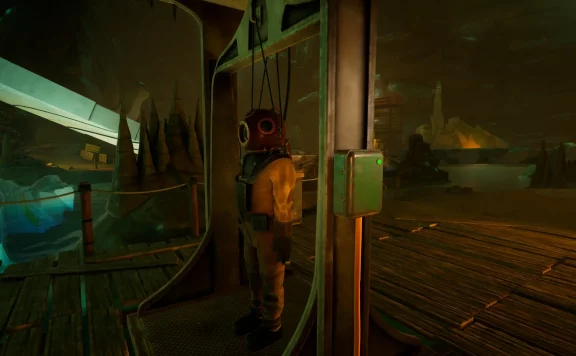
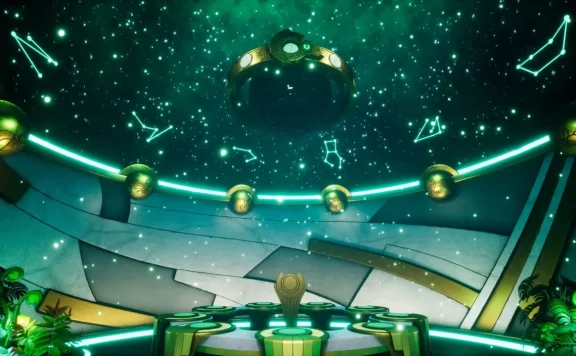
You are no longer a dude with a singularity for a head who absorbs traits from his enemies; instead you are the Formless, a creature that mimics art in its strange, painterly world. Beyond that, you’re not given a great deal of context. It’s a gorgeous game, though, with a diverse mix of levels that do wonderful things with light and colour. And hands. This game has a things about hands; they’re everywhere, as enemies, mostly, but also as the sporadic shrines at which you save and level up. They can also be used to fast travel around the map.
Gameplay is pretty standard Metroidvania fare. The big addition to Grime 2 is a grappling hook system, which is hardly original but which is used to decent effect here. It helps you swing around the world, pull things to you, and attack enemies. The problem is it’s a little ungainly. Instead of simply having fixed points to jump to, you’ll have to manually aim it, which can be fiddly while on the move.
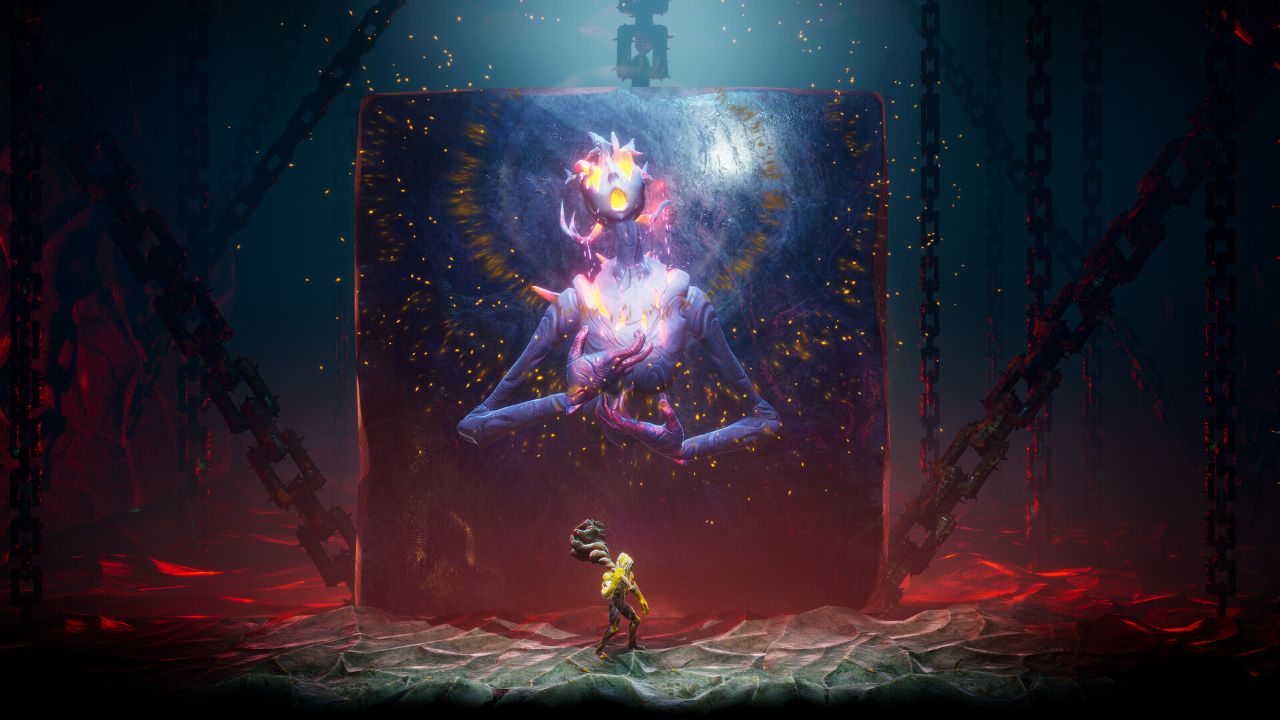
Besides the visuals, it’s the combat that really stands out in Grime 2, even if it’s nothing new. You have a variety of weapons and armour, from heavy maces to swift daggers, from throwing knives to deadly blades. It’s essentially a souls like, so prepare accordingly. While there is a “story” difficulty setting, standard is no joke. Enemies are fast and hit hard, and for a good chunk of the early hours you’ll have a limited ability to heal. You must kill enemies and steal their Breath, which you can then use to restore your HP. Often on boss fights, this will recharge very slowly and so you can mess up very easily.
Interestingly, damaging enemies enough will put them in a staggered state, at which point you can perform a dash at them and steal their “paint” to make a Mold. These can be learned and then slotted on the D-pad, allowing you to summon them for a moment during combat. Almost every enemy in the game will impart a Mold summon to you, and they’re the real unique selling point here. There’s loads of different Molds you can learn, and they can be real game-changers in a pinch.
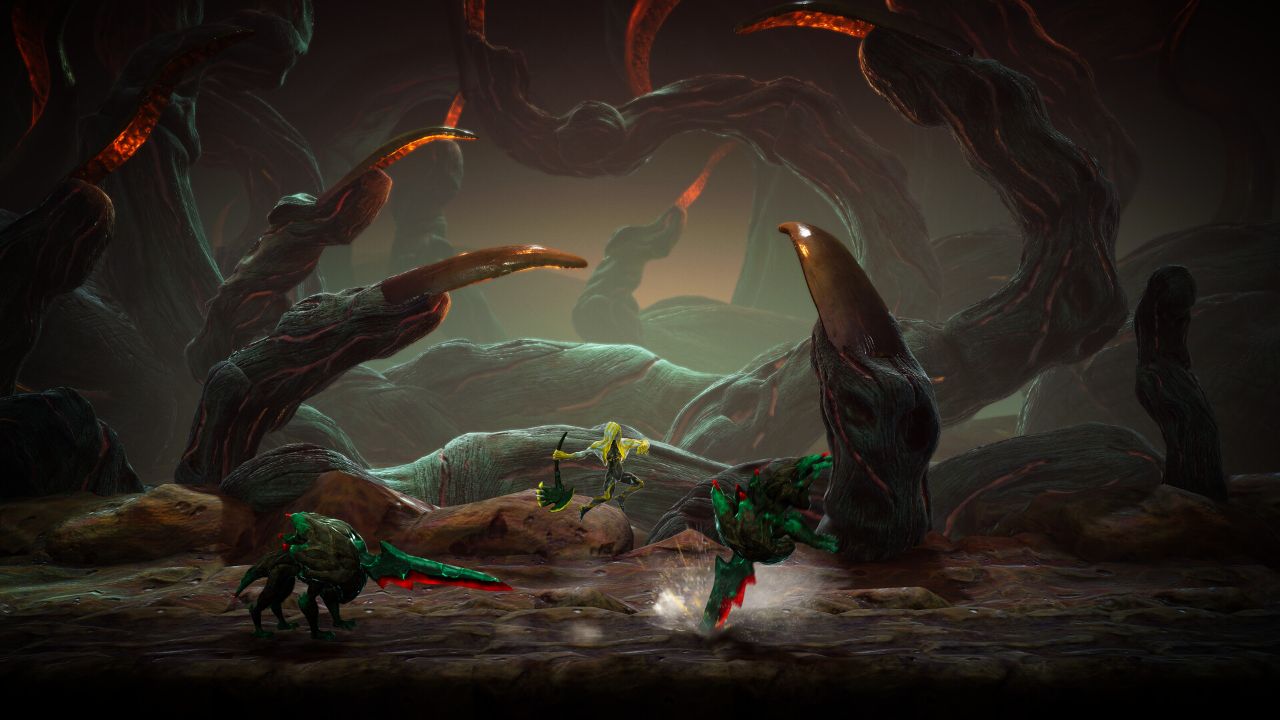
As for the structure, it’s a pretty standard Metroidvania. You progress through a map until you hit a progress blocker, then take a different route until you find the power or weapon that removes said blocker. Grime 2 doesn’t add anything to the genre as a whole, though there are some cool animations when you break those obstacles down.
In fact, animation is a strong suit throughout. The Formless moves with a grace and fluidity that make movement a real joy, and the combat, while tough, feels weighty and impactful. The save points could be a little thicker on the ground, though, as even with multiple shortcuts, corpse runs can be a little long. Usually there’ll be one right before each boss, though, which is handy.
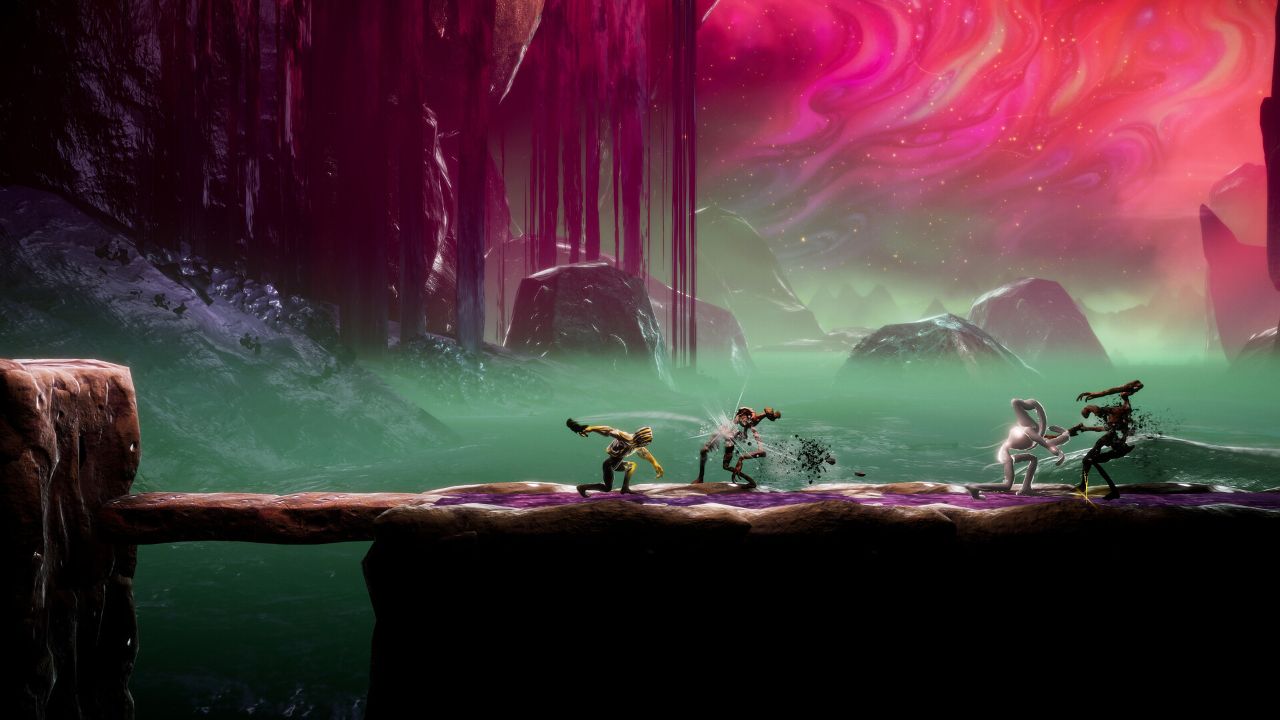
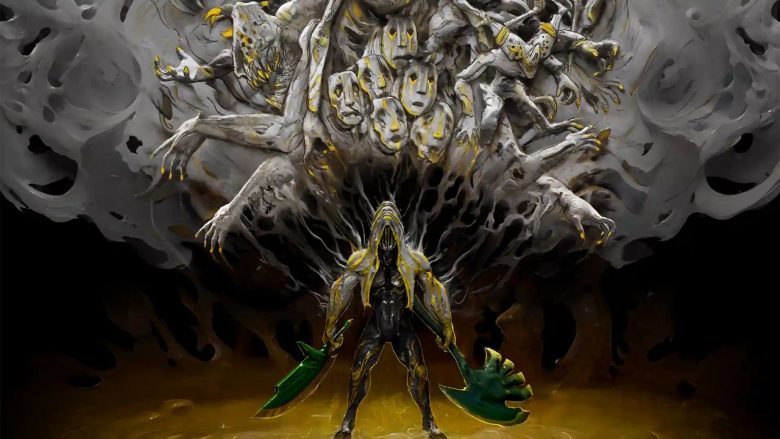
The visual design is the real star here, though, Grime 2 has a superb array of weird bosses, all of them based on some form of expressionist art. Everything drips and glistens in levels daubed with colour, and even the standard enemies have a weird goopiness that never fails to make me feel a little grossed out.
Yet, despite this, Grime 2 feels like it has moved away from some of the weirdness of the first game and become just a little bit more generic in the process. Also, while it benefits from its outward macabre beauty, there’s not much world-building or narrative to hang it all on. Grime 2 does have decent progression and looks amazing, but titles like Ultros and Cookie Cutter present similar combat and exploration with more interesting hooks.