
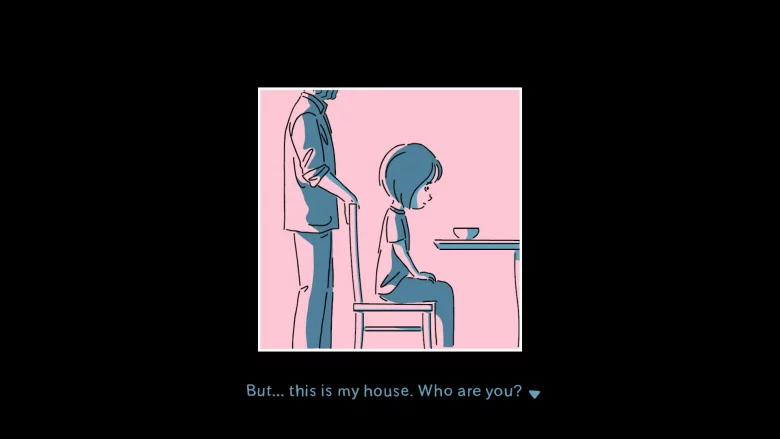
I finished and Roger just a few minutes ago, and I’m still wondering how on earth I’m meant to write about it. It’s an outstanding achievement in just about every category but I also know categorically that it won’t be for some people. Yet despite that, I can’t help thinking it’s an essential and deeply affecting game.
Without wishing to spoil things, the game tells the story of Sofia, an elderly woman who’s living with dementia. Through fractured memories and periods of lucidity we see her life unfold, from her younger years to falling in love and the life she builds with her husband, Roger, and the onset of her dementia symptoms such as forgetfulness or struggles with housework.
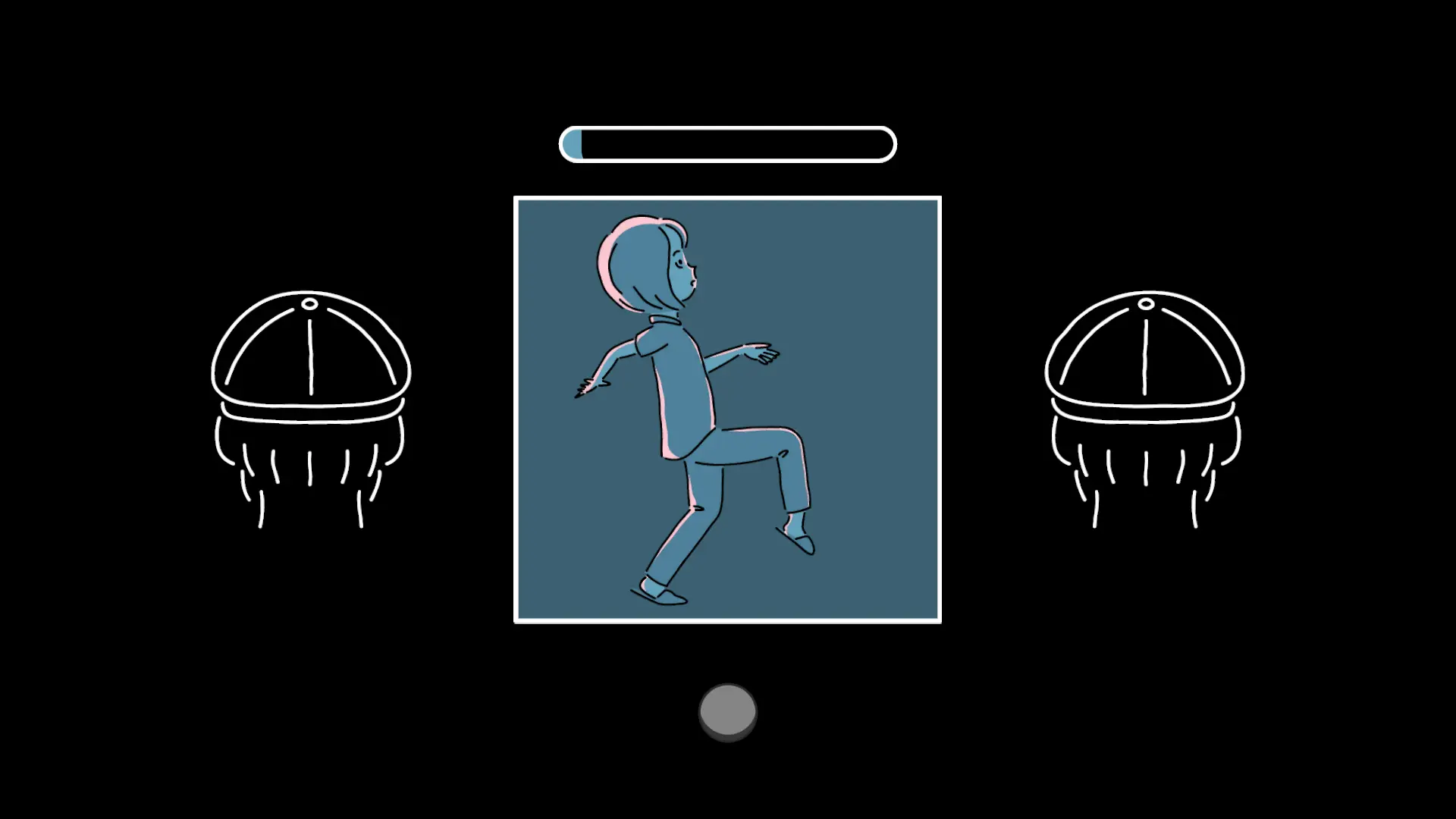
Everything in and Roger revolves around the white button. It’s your method of interacting with the game, whether that’s tapping it repeatedly to progress the story or dragging it around the screen, through simple mazes or following paths. It’s very clever and there’s so much variety from this lone point of interactivity. While it’s not meant to pose a challenge, it does effortlessly tie together the narrative and gameplay into one single, inseparable whole as the motions you’re doing with the button directly align with actions Sofia is taking, mimicking her moments of confusion and panic.
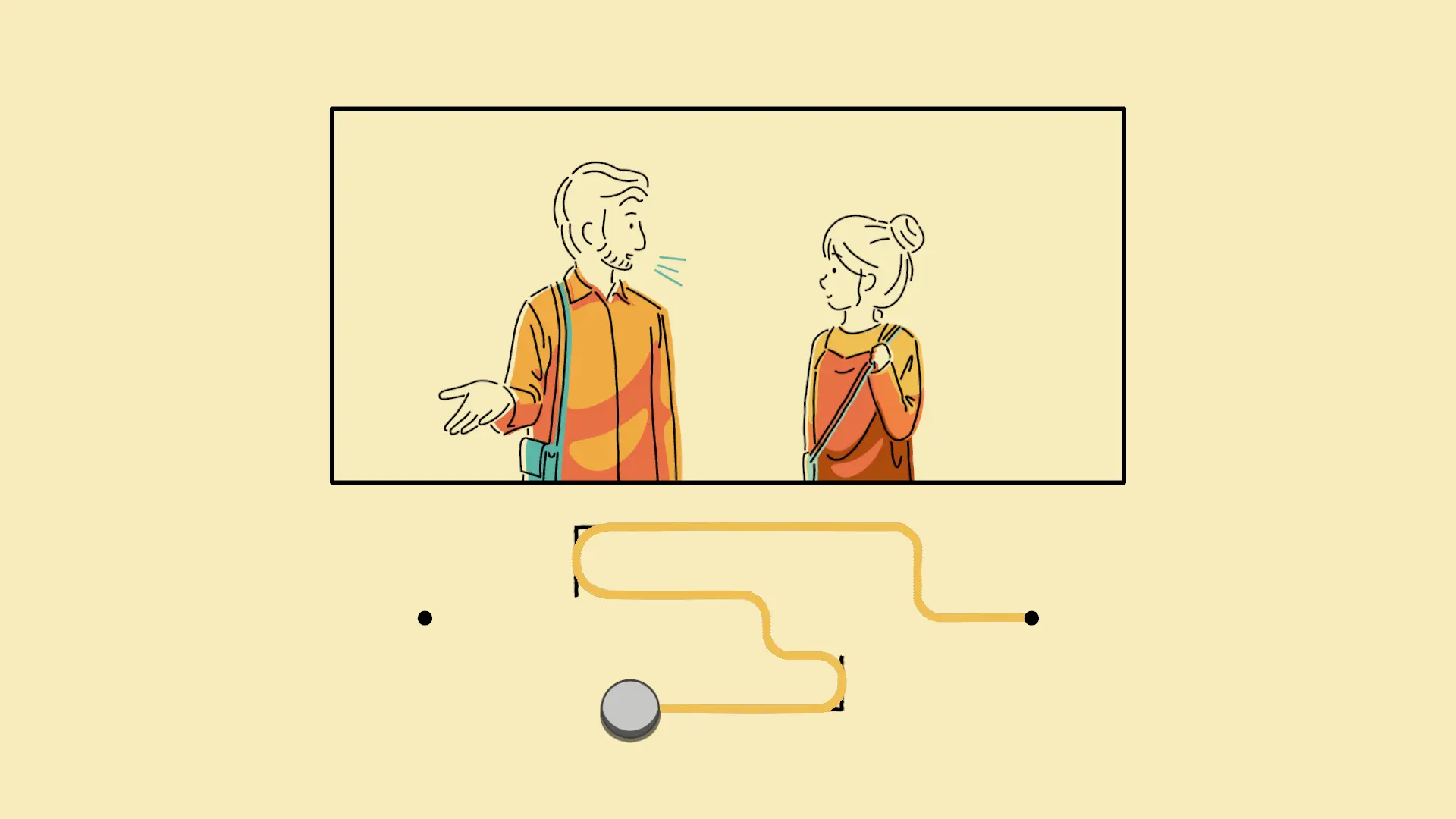
There are moments of genuine beauty in and Roger, like when the jaunty piano music is playing away in the background and you’re facilitating a back and forth conversation between Sofia and Roger on their first date using the white button to draw a line linking them. It feels reminiscent of Florence, one of my favourite games in this not-quite-visual-novel, not-quite-puzzle-game niche. It can quickly shift into something far more harrowing though, and while I knew what the game was about going into it, I didn’t expect it to affect me as much as it did. Sofia regularly mistakes Roger for her father or even a complete stranger, and the game does such an incredible job of conveying the confusion, anxiety and, at times, outright fear she must be feeling. Faces fade from her memories, she can’t remember how to use a phone and suddenly you’re using that white button to help her sneak out of her own home and flee into the night.
There’s an old quote I learnt in school years ago: “The medium is the message”, which I think embodies and Roger perfectly. Only could a video game tell a story as emotionally charged and sensitive as this and accurately convey the experience of both the person living with dementia and the person that loves them and wants to care for them through sickness and in health. My favourite example of this is when Sofia is trying to cook soup for Roger. There are two sliders on the screen: the one on the left moves a carrot onto the chopping board and the one on the right chops it. However, the one on the left slides back after you move it, so you can never chop the carrot before it rolls back out of reach. After a few attempts, as you try again to push the slider up, Roger reaches over with his pen and extends the slider with a small notch, allowing you to move the carrot into place and lock it there so you can finally chop it. How could anything other than a video game accomplish this?
I played through and Roger on the sofa with my wife next to me, who’s spent many years working as a care assessor, particularly with the elderly and those with dementia. She told me that your mind is like a bookcase with all your new memories at the top and the older ones at the bottom. Dementia is like someone coming along and shaking the bookcase, knocking all the books from the top shelves while leaving the ones at the bottom untouched. That’s why Sofia often sees herself as a young woman and Roger as her father. This was just one of the many parts in the game where she chimed in and praised it for its accuracy and sensitivity, not just in how it shows Sofia’s confusion but also in Roger’s behaviour, at both his best and worst, which the game doesn’t shy away from covering.
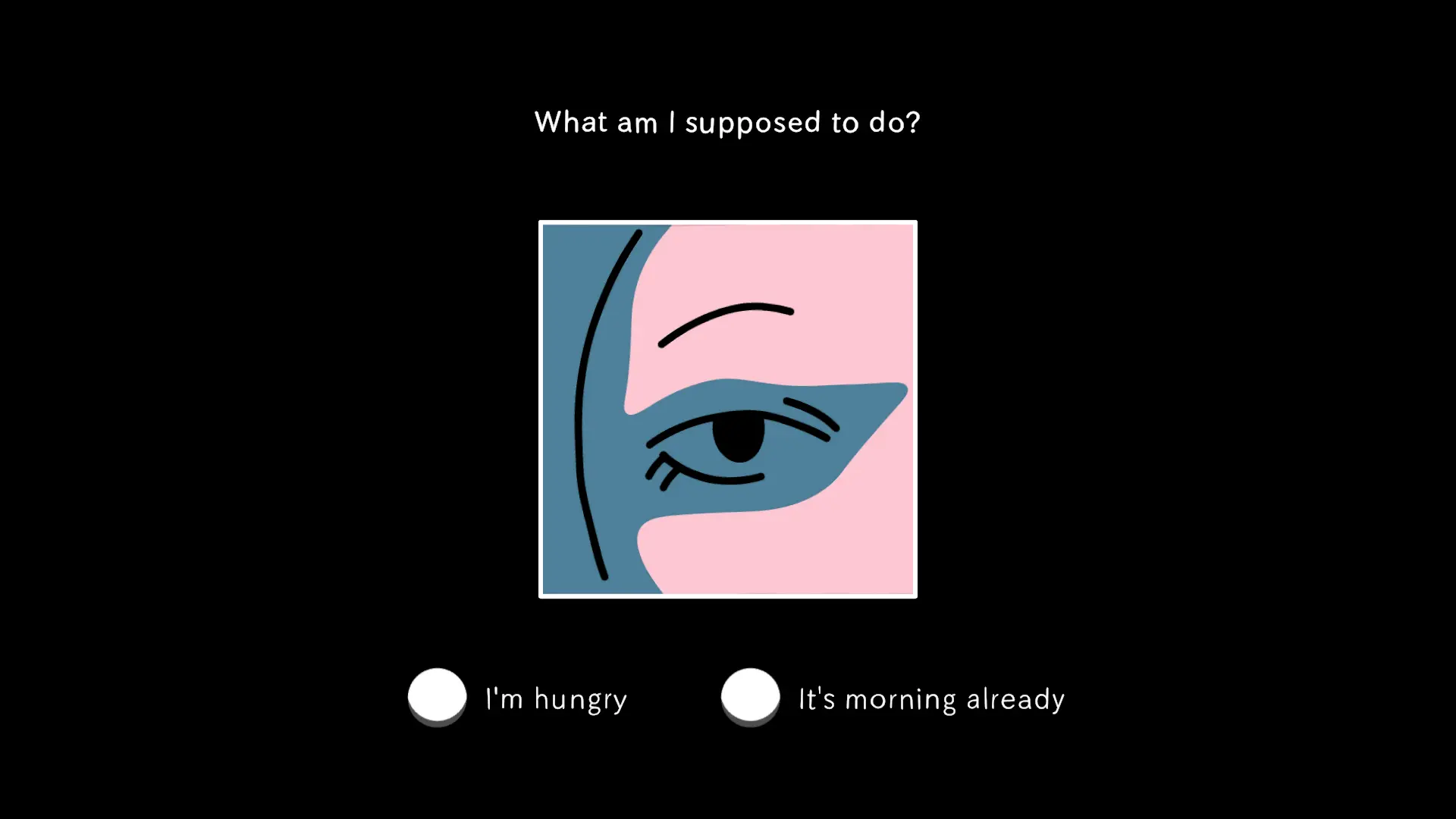
Compared to the emotional impact it feels almost trivial to talk about the audiovisual elements of the game, but for what it’s worth it does both very well. Even through tear-filled eyes it’s easy to fall in love with the cute comic style it’s presented in, and the soundtrack is filled with upbeat pianos signifying good times and off-key, jilted tracks that accompany her moments of panic and sadness. It’s already in my gaming soundtrack playlist on YouTube Music, which says everything.
and Roger is a fascinating experience that you have to play for yourself. Don’t go expecting to play something “fun” but rather an interactive love story told through the lens of life with dementia. It evokes a whole load of emotions in little more than an hour and that means it won’t be to everyone’s taste, but if you can cope with the sadness and appreciate the glimpses of happier times gone by then you’ll find it a completely unique experience.