It’s been a good time to be a fan of Final Fantasy VII for a while now, with so much recent focus on the most beloved entry of the massive JRPG series. The remake trilogy has set a new standard for remade versions of classic games, and the final exciting installment can’t come soon enough. Final Fantasy VII has plenty of other stories to tell too though, thanks to a plethora of spinoff games that fill in the blanks left by the 1997 masterpiece. One such side story comes in the form of Crisis Core, which originally released on the PSP and more recently got spruced up for modern consoles. Since the Switch 2 now had access to the remake trilogy it’s only fair that Nintendo players get to experience the whole story, so strap in and enjoy Crisis Core -Final Fantasy VII- Reunion.
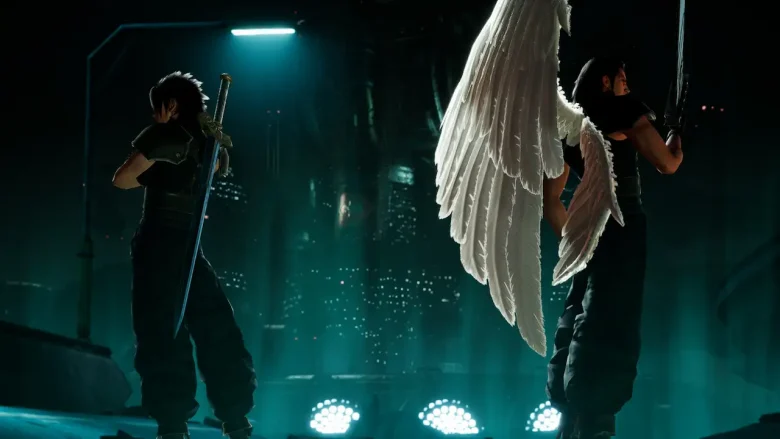
Crisis Core doesn’t follow the main party members we all know and love, it follows Soldier member and professional Cloud lookalike Zack Fair. Zack’s dream is to become a hero to the masses, like that famous good guy Sephiroth. Zack is also as dumb as a bag of rocks, with all the nuance and deep emotions of a giddy Labrador. All of these sound like negatives but he’s actually a delight, and his prequel adventure is all the better for it.

There’s a whole lot of turmoil in Soldier when the game starts. An army’s worth of members have left the Shinra militia, led by a hunk called Genesis. When on a mission to end the war with Wutai you stubble across Genesis’s clones, and your honourable mentor Angeal seemingly leaves along with them. There’s a whole lot of drama that follows involving new characters and old, which leads in nicely to the main game and is gripping throughout especially for series fans.
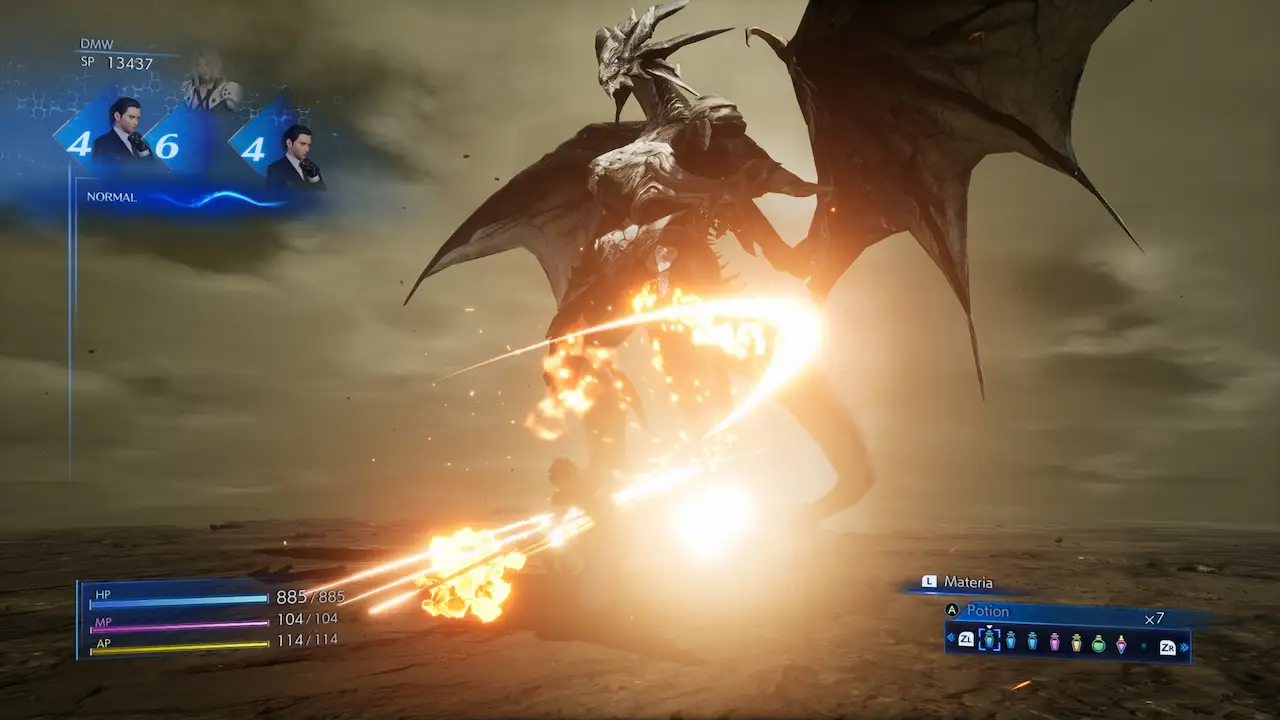
Combat in Crisis Core is satisfying, if a little basic for a game of its size. It’s action based like the remakes, but you only have one combo, a dodge roll and a block to worry about in terms of basic offence. You do have other ways to attack too though, and you’d better believe that involves Material. Your equipped Materia can be used to fire off spells to deal with frost or flame vulnerable enemies, perform flashy sword attacks, or heal when things get rough. They’re satisfying to use when you’ve got enough MP and AP to do so, and that’s most of the time.
Alongside everything you do in battle, a slot machine whirrs away in the top corner of the screen. This is the DMW (or Digital Mind Wave for your sciency folks) and it’s connected to Zack’s emotions and bonds with others. As the reels stop sometimes characters will line up in a row, and you’ll be granted a special limit break attack inspired by them. Sending out a Sephiroth style Omnislash always feels cool, and the semi-random nature of the slots keeps combat fresh.

Alongside characters on the DMW, there are also numbers. These lining up in specific ways will also power you up, sometimes permanently. A triple seven is the only way you can level up in the game, and similarly getting two of a specific number levels up the Materia you have in that slot. There are also more temporary gambling buffs like infinite MP and invincibility which are always appreciated, especially when you’re faced with a tough boss.
One aspect of Crisis Core –Final Fantasy VII– Reunion that really shows the origin of the game is the structure. Despite being a lengthy RPG the game is set up to cater to pick-up-and-play sessions, with loads of missions that last five minutes and feature about three battles before you complete them. They’ve got some nice themes that make them all seem relevant (even if you’re just battling familiar enemies and bosses really) but there’s undoubtedly a repetitiveness to them when you sit down for a longer session.
There is more depth though that comes in the form of Materia fusion, which you’ll need to get used to doing if you want to keep up in battle. It’s a fun way to improve your skills and use your maxed out Materia to create something useful, and once you’re equipped with spells like Curaga and Dark Blizzaga it’s hard to remember the weak abilities of the early chapters.
If the last time you played Crisis Core was on PSP then Reunion has a lot that will impress you. The visuals feel almost on par with those of the Remake trilogy, and alongside them the voice actors from those games have re-recorded lines so everything feels like it’s part of the same series. It’s very impressive, and ensures that it never feels like you’re playing a game that’s almost two decades old. The Switch 2 version of Reunion is practically perfect too, with no technical limitations or frame drops ruining the experience.

Crisis Core -Final Fantasy VII- Reunion is a worthwhile experience for fans of Final Fantasy VII, but it has its issues. As well as slightly too basic combat and repetitive missions, the story and new characters of this spinoff are nowhere near as exceptional as the main game. One character especially speaks almost solely in quotes from a famous fictional play which is as painful as it sounds, and it makes me glad he’s a prequel only character.
Even with a few faults though, Crisis Core -Final Fantasy VII- Reunion is such a playable game that I really enjoyed going back to. Its lighter story makes it easy to jump in and out, and the combat is made all the more entertaining thanks to the slot reel constantly rewarding you with upgrades and buffs. It’s easy to recommend for fans of Cloud and the gang, just don’t expect FFVII Remake levels of excitement and drama.