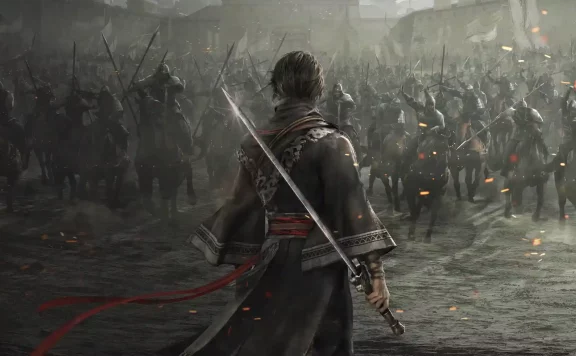
Some games don’t make it easy on reviewers. And I don’t just mean because of the difficulty; I mean because they are such a mixed bag of features Frankenstein’d together, some that work, some that don’t, some we asked for and some that we certainly didn’t, that they become really tricky to slot into the usual scoring spectrums. Often this is a problem faced by first-ofs, the debut titles of new franchises that need time to find their feet. Sometimes, though, it’s a later instalment that proves tricky. Case in point here being Nioh 3, Team Ninja’s third iteration of their hardcore franchise.
On the surface, and in almost every way that counts, Nioh 3 feels like Nioh 2 but with more in it. That’s usually how sequels go, sure, but I’d genuinely challenge any newcomer to tell the difference between the two games when in motion. And truth be told, the biggest new addition to combat in the threequel is a bit of a “love it or hate it” proposition. Familiar elements such as Spirit Guardian summons and the Ki Pulse stamina regen return almost exactly as they were before, as do the Soul Cores, which can be gleaned from fallen enemies and then unlocked to give you unique summon attacks and buffs.
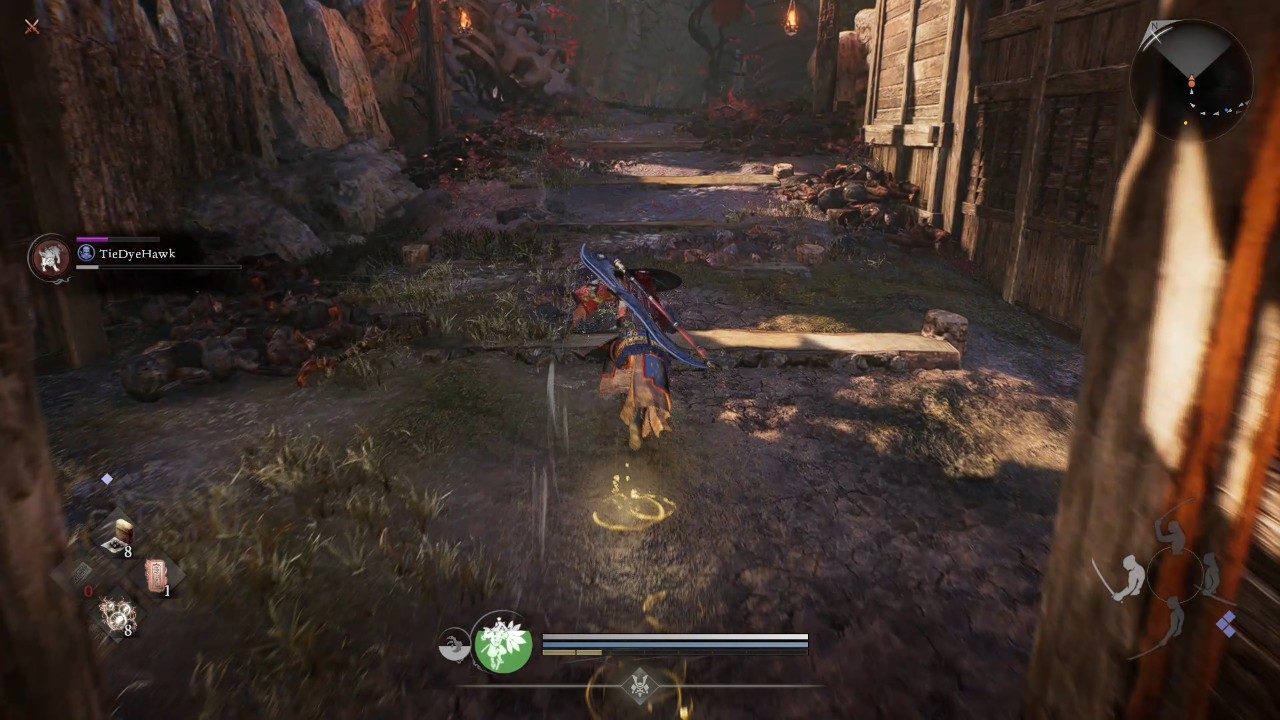
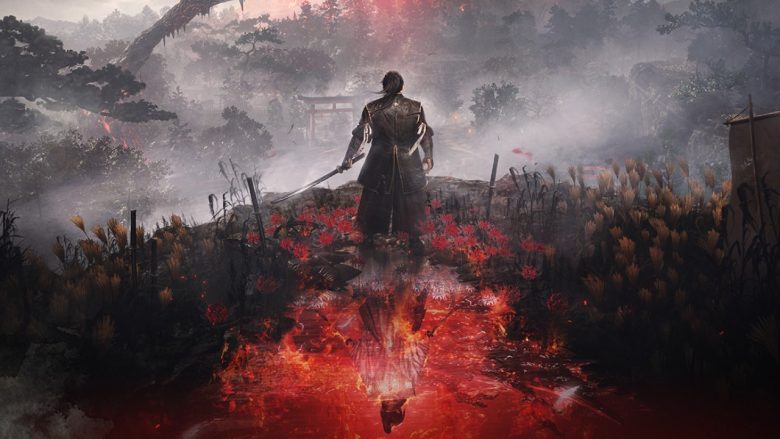
Once again, we’re transported to ancient Japan, but this time we’re loving through the ages in the shoes of a betrayed Shogun who was never inaugurated, thanks to the machinations of a bunch of traitors and a whole lot of Oni. With our palace in flames and our hopes of a peaceful reign in tatters, we set out to kill anyone who looks at us sideways, historical accuracy be damned. Genuinely, seriously, damned. It’s almost best to forget this is even set in Japan and not just some Japan-themed fantasy world. The story is kind of just okay, forming a solid framework for what you’re doing but never producing beats that stuck in my head beyond the next cutscene. The world is a joy to explore though, especially when you inherit the ability to sprint like the wind when outside combat, in lieu of a mount. There are also special points in the world called Spirit Veins that you use by harnessing the powers of your various Spirit Guardians to run along sheer walls or leap great distances.
Immediately, this will feel comfortingly familiar to fans of the first two games. It looks, moves, and controls identically to Nioh 2, and aesthetically they’re almost impossible to tell apart. It swaps the mission-based structure for an “Open Field” approach, meaning each time period contains a relatively large open world with multiple set-level zones, optional bosses, enemy camps to clear, tons of secrets to find, and specialised Masters who will teach you new techniques if you best them. For context, the first of these areas took me sixteen hours to move out of, and I wasn’t done.
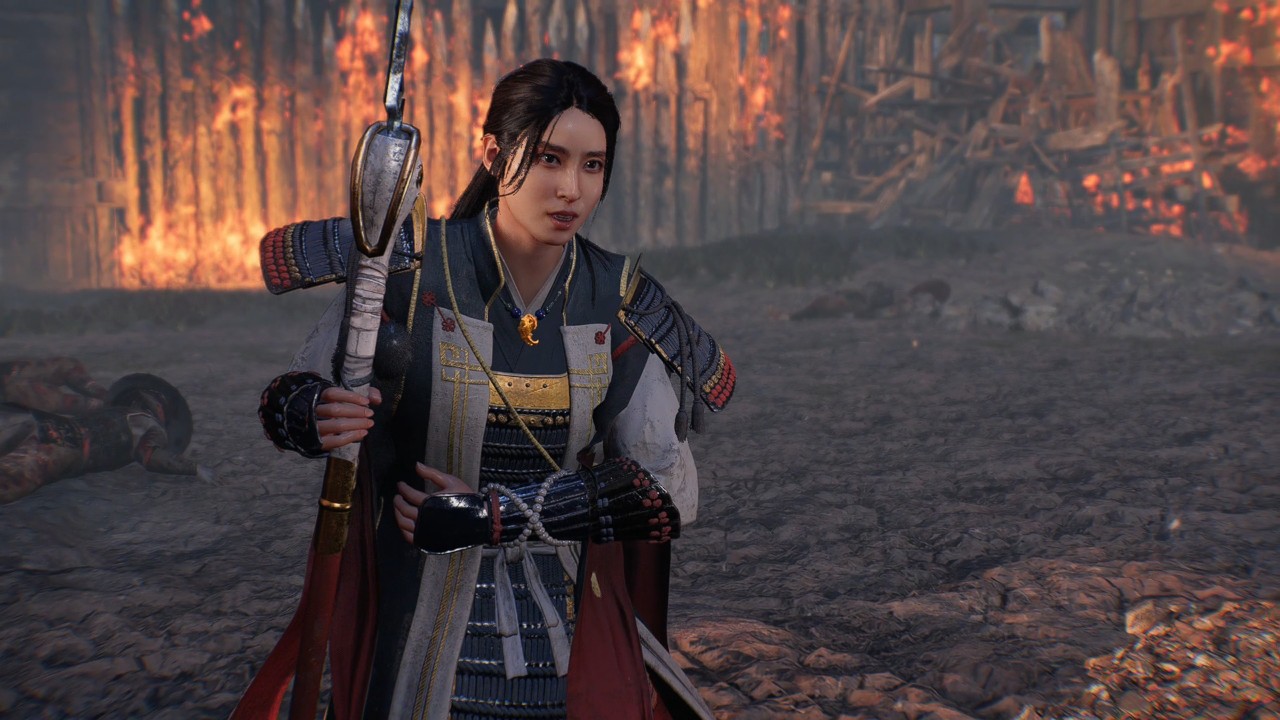
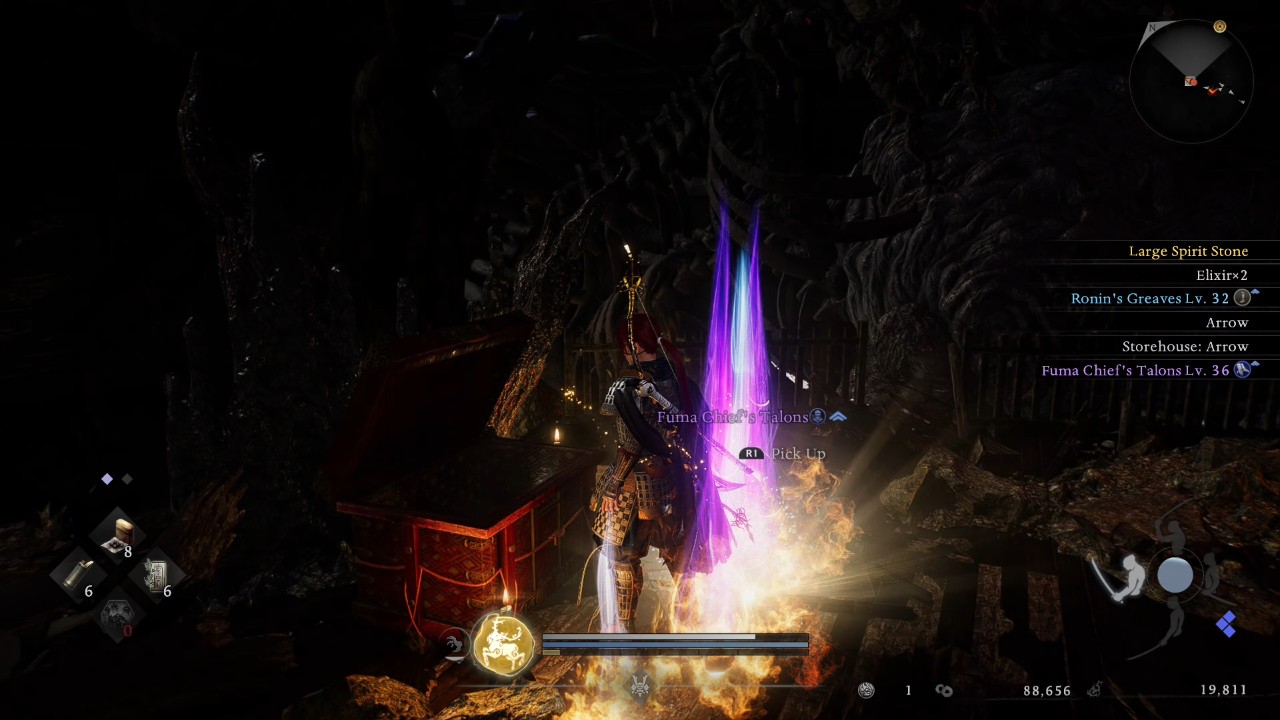
From the map you can enter a special hub area where NPCs gather to offer various services such as blacksmithing, which allows you to forge gear or upgrade it to a higher level to improve its efficacy. Aiding NPCs out in the world will often open up side quests which reward you with loot. Everything rewards you with loot. There’s so much loot. In fact, loot is a bit of a problem at times when you have so much stuff to trawl through when trying to improve your build. Nioh 3 is nothing if not dedicated to the bit.
Ultimately, it all becomes much of a muchness, as you try to balance your main weapon with three stances, a ranged weapon with multiple ammo types, Onmyo magic, throwing weapons, Spirit Guardian attacks, your other types of magic that come from talismans and amulets, dozens of fighting game-style special abilities, and the fact you now have two completely different armour, weapon and skill sets to switch between with the tap of a trigger.
That big “love it or hate it” gameplay innovation is the ability to switch between Samurai and Ninja fighting styles instantly. In theory this is good. You have the more heavily armoured, big-hitting Samurai style versus the super-fast, Onmyo-wielding Ninja style complete with throwing stars and smoke bombs. Each has its own range of weapons, and its own style points to spend in the weapon-based skill trees. I played almost exclusively in Samurai as I preferred the parry window to the dodge window, but the choice is yours. My biggest irritation is that activating Nioh 3’s trademark Burst Break attack (whereby you interrupt an enemy’s red-glowing Burst move) auto-switches into the other style. It’s really very annoying to then have to switch back, wasting valuable time after staggering a boss. Given how ridiculously busy the screen often is with special effects, it can be hard to even realise you’ve switched modes. I did get used to it, but tying the switch to the Burst Break makes no sense mechanically at all.
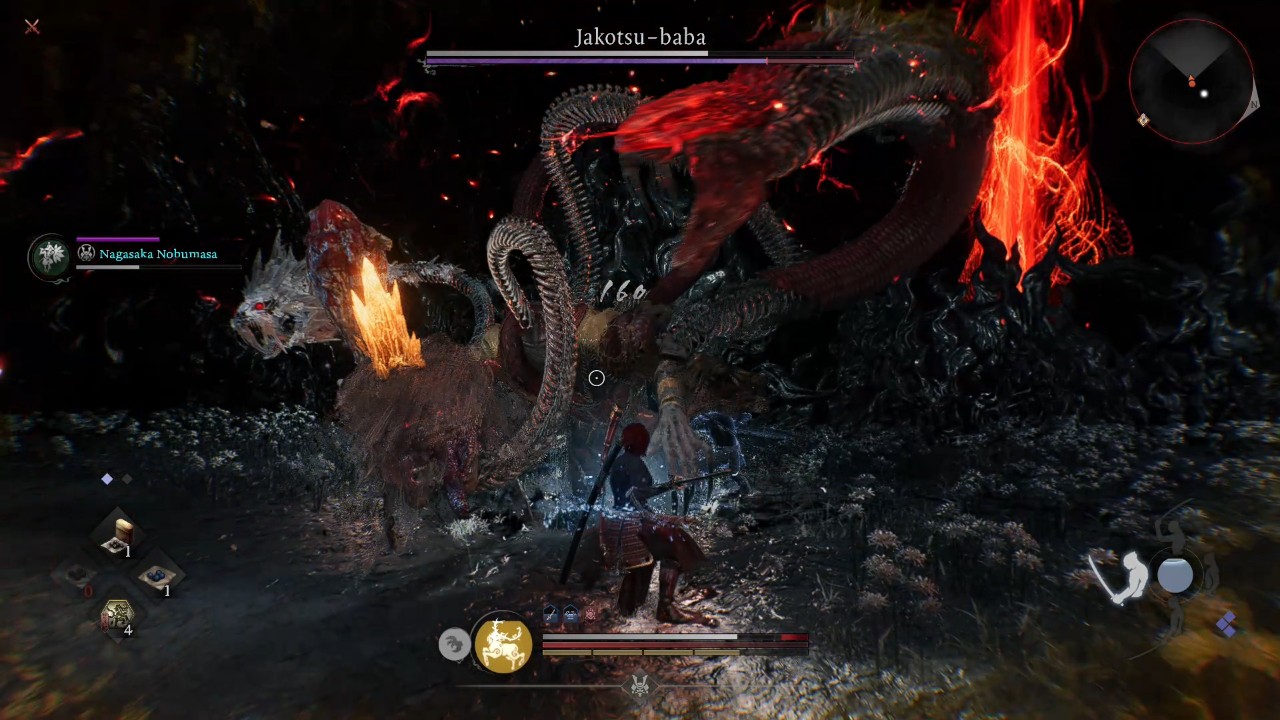
Gameplay-wise, Nioh 3 plays very much the same as Nioh 2, or even Wo Long: Fallen Dynasty, for that matter. You traverse the world killing or avoiding enemies and hoovering up secrets. Ordinary enemies in the world won’t pose you many problems, and I was only ever given pause by story bosses, whose movesets and power levels make a mockery of each area’s recommended level. They are designed to be difficulty walls, and I overcame each one by sheer perseverance, painstakingly learning attack patterns through multiple deaths. So far, so Nioh, I guess. Sadly, some of these – as well as many grunt enemies – were lifted wholeheartedly from the previous games. Oh, and it’s not shy about placing tough bosses in relatively quick succession either.
Arguably, outside these encounters, the game is a little easy at times. The open field means you can grind and come back, or easily farm materials to improve your gear, and you have so many tricks and weapons up your sleeves that exploration holds little tension or fear unless you’re in a Dark Realm, where Oni are stronger and more plentiful. Open areas also contain enemy bases you can clear by defeating all the baddies, often rewarding you with more gear, or special arenas called Crucibles, which will spawn multiple waves of enemies. Inside Crucibles, your health will be permanently reduced by taking damage, unless you have special items to negate the effect. Slightly less punishing difficulty isn’t necessarily a bad thing, and allows Team Ninja to once again flex their action game roots.
Multiplayer has been given a bit of an overhaul. You can still summon other players or their ghosts via Ochoko Cups and special gravestones, or summon aggressive visitors to duel. The benevolent visitors will stay with you until you defeat a boss or their timer runs out. You can also go on Expeditions with other players and play through chunks of the open worlds, or replay story missions and boss encounters via the Battle Scroll option when resting at a Shrine.
Nioh 3 does feel like a culmination of what has come before. It doesn’t feel as fresh or consistent as the previous game, and arguably recycles a few too many assets (though if Elden Ring can do it, right?), but it’s still incredibly enjoyable. It moves beautifully with smooth, glowing, brutal combat and a huge array of special abilities to equip and call upon. It threatens to become a little too much at times, almost overloading the plate to the point of toppling, but Team Ninja are masters of the craft at this point and it shows. It’s a staggeringly vast adventure that swings pendulously between a little too hard and a little too easy, but the minute-to-minute combat and exploration are almost unmatched in the genre. Nioh 3 won’t reinvent the wheel, but it’s a worthy entry in the trilogy.