We’ve been fans of Kyle Thompson for some time now. While we won’t pretend to have been there since Sheepo, Islets was superb, and really, the developer has been an absolute star of the Metroidvania scene for years now.
With Well Dweller, Thompson and Top Hat Studios teamed up for yet another successful release into the genre, so we thought we should catch up with Kyle and talk about things like the reception of the game, enemy design, and future plans.
Are you happy with the reception of Well Dweller so far?
Oh absolutely, the reception has been way, way above what I could have expected. I am really grateful (and overwhelmed!) with how it’s all gone.
The dark fairy tale setting of Well Dweller is really intriguing, what made you decide to make a game in a world like this?
I wanted to pick a theme for the game that had an existing body of work to reference. I thought it would be fun for the player, but also it would make it easier for me to make something cohesive. I loved fairy tales as a kid, and I wanted to make a game with a darker atmosphere so it seemed like a good choice!
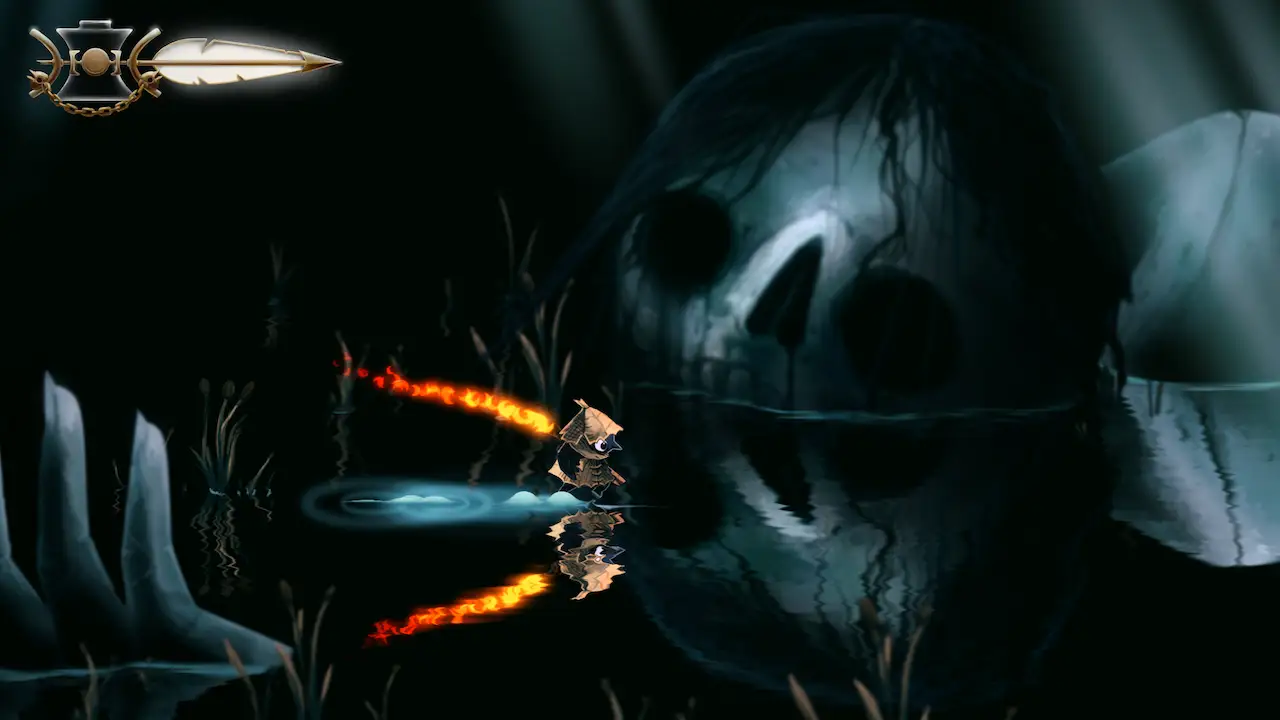
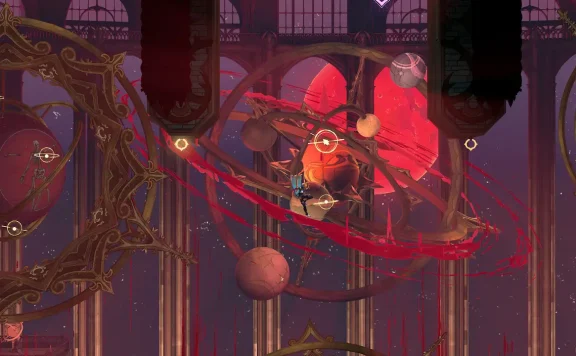
I love the traversal abilities in Well Dweller (especially firing the match into walls) how did you come up with these creative skills?
My biggest regret with my previous game, Crypt Custodian, was that the abilities you gained did not alter the moment-to-moment gameplay as much as they could. So I tried to come up with some abilities that would have multiple uses and didn’t just act as keys to pass ability gates. It allowed for much more interesting level design, since the path forward isn’t always as obvious.
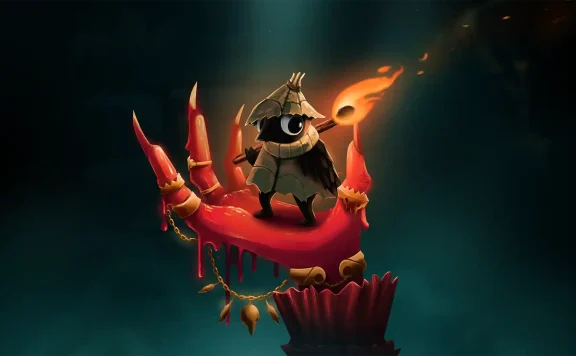
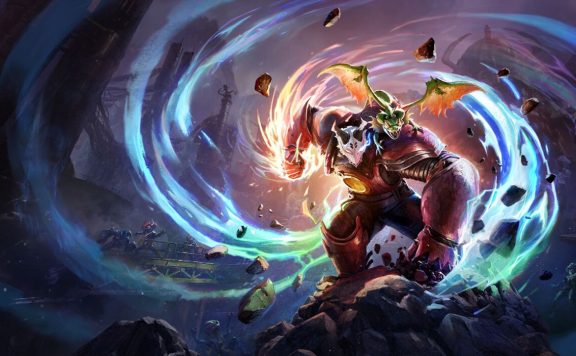
The bosses in Well Dweller are utterly horrifying, did enjoy designing them?
Yeah definitely, making bosses is always a highlight in development! Well Dweller focuses a lot on contrasts, and it was important to have a high contrast between the player/friendly character, and the bosses. I was trying to emphasize the idea of being a tiny cute character in a dark terrifying environment, and boss fights are probably the easiest place to build onto that feeling.
How do you go about designing the difficulty of your games. They always feel “just right” to us, and it’s hard to put that into words. How do you do it?
Difficulty balancing is really hard since everyone has different skills and preferences, so I usually just have a ton of people playtest and make changes until I stop hearing too many comments on the game being too easy or too hard. But in comparison to most games in the genre, I think mine are a bit easy so it isn’t a perfect fit for everyone.
Are you ever tempted to lean towards more punishing design? For example, in Well Dweller, you’re not punished with loss of currency for dying, and that’s a very popular thing to do these days,
Some of my favourite games are very punishing, and I definitely understand the draw of that type of game design. But I don’t think it is something I plan to lean into. My goal is to just make games that can be challenging, but don’t have too much friction. So easy fast travel, no currency loss, no boss runbacks, etc. I don’t think either design style is “right” or “wrong”, but I’m kind of just going based on what I enjoy most and what I think fits the general feel of the games.
The music in your games is always wonderful, what’s it like working with your brother on the sound?
It’s really great working together! We live far away from each other, so it’s nice to have a common project to bring us together. He has been making music since we were kids, so when I started making games I asked right away. We kind of just work independently and then check in occasionally and make sure it’s all cohesive.
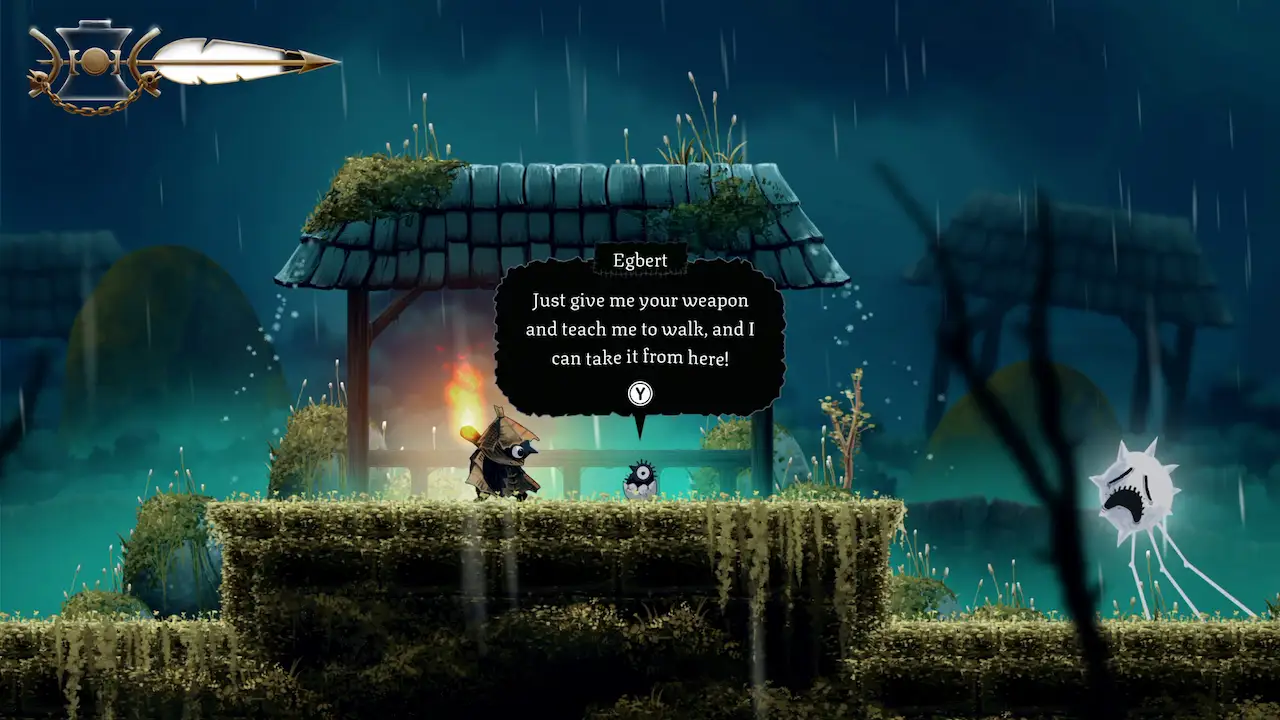
This is your third Metroidvania release in the last four years, how are you able to create games at this pace?
I generally just work really fast, but also making games in the same genre has allowed me to have a system figured out. I also reuse some core systems (like the map system, save system, menu system, etc) since they each took quite a bit of time to build. Otherwise, I do very little planning or brainstorming and I kind of just barrel forward the entire development. I do it all in drafts, and go back and improve areas over and over and over throughout development.
I think some developers focus too much on making the perfect decision each time from the start, whereas I think it is often better to just make quick decisions based on instinct (and based on what you are good at, and what is reasonable for you to complete), and then just plan to do multiple passes later to improve everything. I think it also allows for a more cohesive result. My last 3 games each took about 2 years, and the timeline was basically 3-4 months making a vertical slice of the first area. Then 12 months making the rest of the game so it is content complete (but often still very rough). And then the rest of the time doing constant passes over everything, fixing bugs, etc.
Would you ever be tempted to work with a team to create a game, or are you happy with your current setup?
Maybe, I think it would be difficult since I can be a little stubborn and I think a big reason that I can create games quickly is because there is no back-and-forth with decision making or getting on the same page. I have hired a couple freelancers for Well Dweller, which I didn’t do in previous games. I hired a concept artist named Bruno Gambacurta to draw some concept art for some enemies and bosses, and I hired an artist named Sottiss, who specializes in woodblock style artwork, to draw the storybook pages. I really enjoyed working with them, so I would definitely love to work with others again in that way.

Can you tell us about your experience with working with a publisher?
Yeah it’s been really great! I had worked with Top Hat Studios before, both on Crypt Custodian and Sheepo, so I knew them well and it was an easy decision to work with them again on Well Dweller. They have way more technical knowledge than I do and much better connections, so it has been nice to just focus on development.
What lessons did you learn from Islets and Crypt Custodian that helped with the creation of Well Dweller?
I learned so much from making Islets. It was my second game, but it was my first larger-scale one, and I learned a lot about how to piece a Metroidvania world together. I learned a lot about level design, but I regret making some of the areas so linear. That was one lesson I took after.
With Crypt Custodian, I think the story was more effective than in my previous games so that was something I tried to keep doing later. One regret I learned from, is that the abilities could have been more interesting. I found it very difficult to make interesting abilities in a top-down perspective.
Do you have any interest in branching out to different genres in future games, or are you happy to stick with Metroidvanias?
I definitely want to expand in other ways (making something 3D, or with uncommon movement, etc), but I think for now I am happy making Metroidvanias. It is by far my favourite genre, and I am just trying to develop the type of game I would most want to play. I have some ideas for very small non-Metroidvania games in genres I also like, but I probably won’t be jumping into any super soon.
Are there any Metroidvania games that you feel have strongly influenced your games?
Yeah I grew up playing indie freeware PC games, and the games that got me into the genre were Knytt Stories, An Untitled Story, and Seiklus. Knytt Stories is by Nyfflas and it is a collection of mini-Metroidvanias with the same character and an editor where you can make and share your own. An Untitled Story is by Maddy Thorson who worked on Celeste, and it is a very charming platforming focused Metroidvania. Seiklus isn’t really a Metroidvania, but it is adjacent and it is a very calm and beautiful exploration game. Those three games are what got me into the genre and have a strong influence. Later games like Hollow Knight and Ori also were very inspiring as well.
What’s next for you, game wise? You always seem to be busy, so have you thought about the next project, yet?
Yeah, I have a habit of starting the next project before releasing a game. I haven’t done that as much this time though. I’m playing around with a different game engine and trying to learn 3D, which is a bit of a challenge for me. But I do have an idea for a game and I am kind of just testing the waters on that for now!
Well Dweller is out now on PC, XBOX Series X|S, PS5, and Switch 2. Thanks to Kyle for his time.