
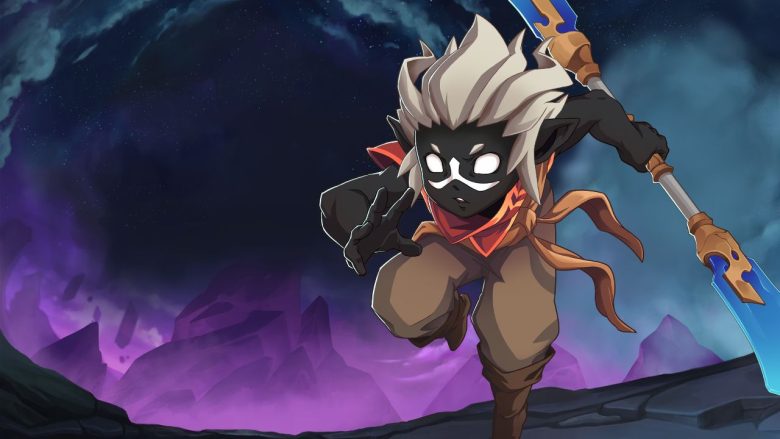
Fallen Tear: The Ascension is a surprisingly vast Metroidvania that has spent almost a year in early access while Winter Crew Studios refined their hand-drawn adventure. I played the early access version some time ago and really quite enjoyed it. The full 1.0 release adds a fair amount of content, resulting in a package that might be a little big for its boots, but pulls off most of what it does with style.
You play as Hira, a young lad who was found as a child and raised by family in a picturesque village. When things go decidedly south and Hira is revealed to have a secret that even he doesn’t understand, he embarks on a quest to find his mother and brother and get to the truth of where he originally came from. It’s a compelling enough story, but given the Metroidvania structure, it isn’t always much of a driving force.
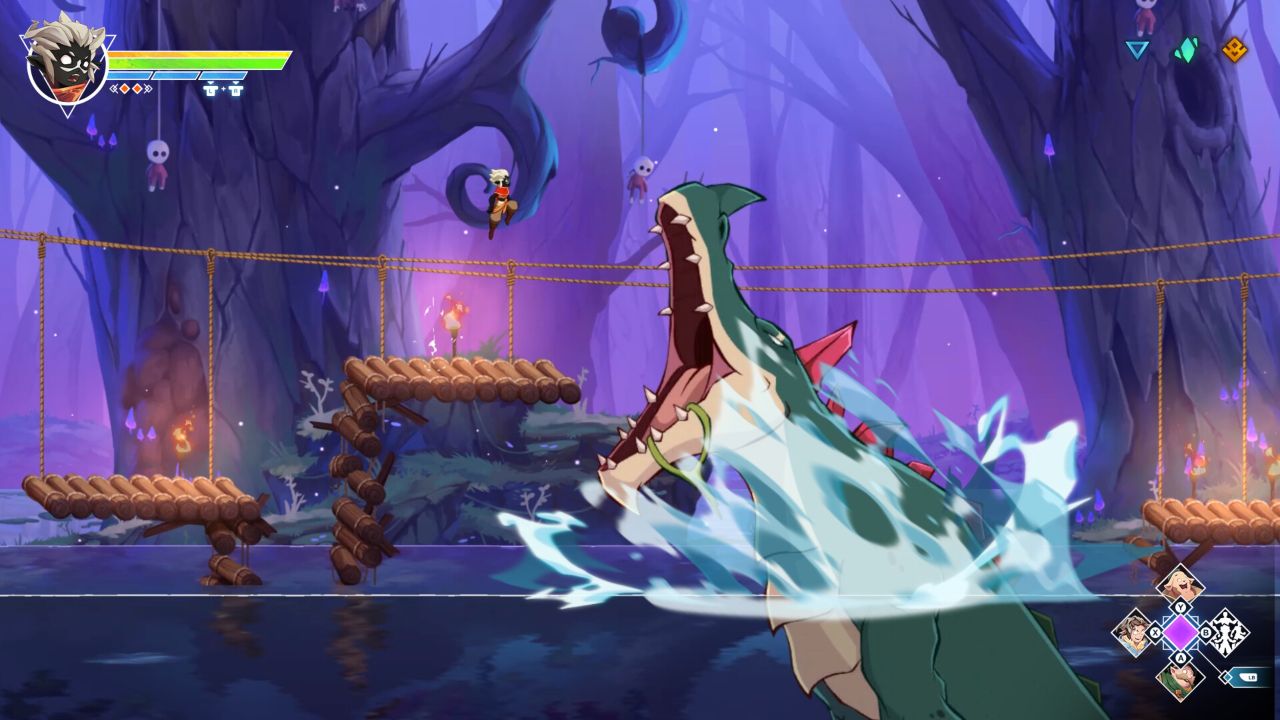
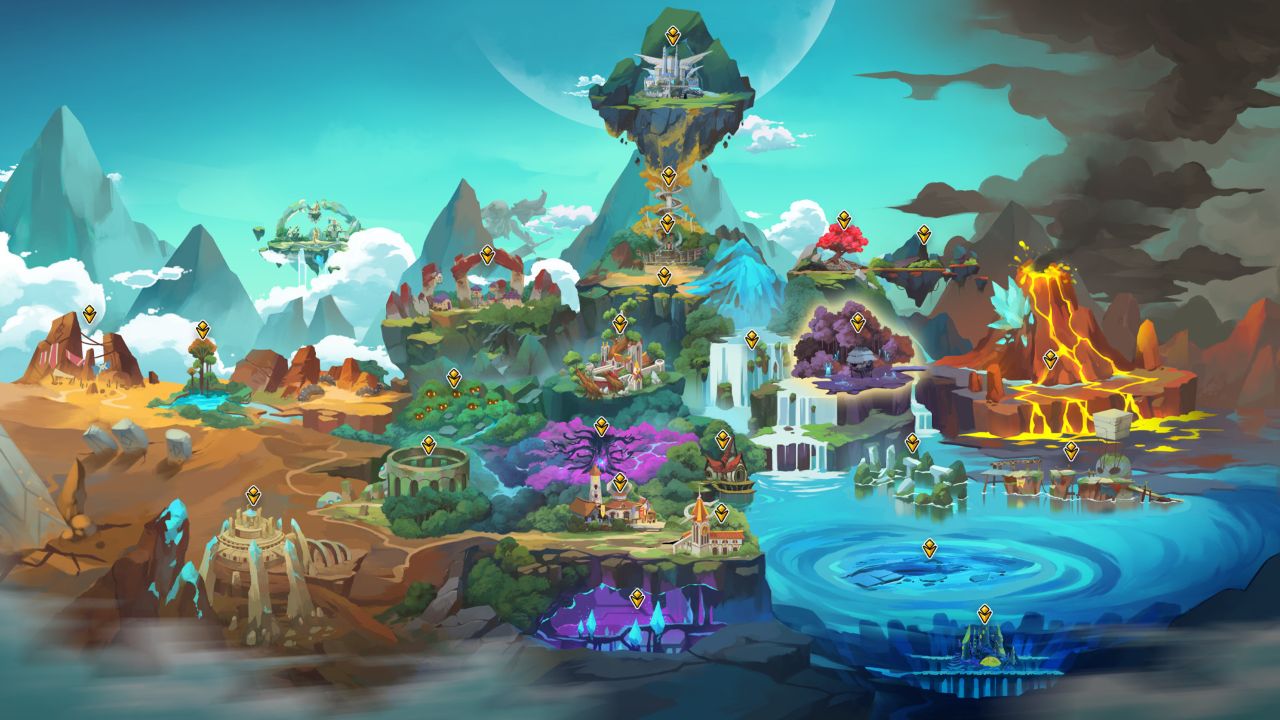
Rather, that role falls to the exploration to fill. The land of Raoah is massive, split across more than twenty biomes that deliver all the expected climates and more besides. Beautiful forests and foreboding caves, a desert oasis and lava-flooded crags; if you’ve seen it in a game before, it’s in Fallen Tear: The Ascension. Which is not a clever way of saying it’s derivative. Although, well, it most certainly is – but in the least egregious way.
See, Hira’s adventure borrows elements and ideas from a smorgasbord of different properties. There’s a little of Eiyuden Chronicles, a little of Indivisible, and a little of Ender Lillies: Quietus of the Knights in the mix; not to mention the “map snapshot” feature from Prince of Persia: The Lost Crown. It gets away with it because everything is so well blended that it almost appears to be brimming with original notions. But it isn’t.
That said, it does a few things very well. The Fated Bonds system allows you to recruit over 20 NPCs and let them all live together in a castle. Forming bonds with them to be selected as party members, although they don’t fight beside you. Instead, they take the form of single-button summons that appear to perform special attacks on cooldowns. Finding them all and increasing your friendship is a great way of breaking up the fairly combat heavy primary loop.
Each Bond also grants you a special ability point which can be used to unlock new traversal skills and special moves to allow you to backtrack through previous areas and open up new paths. As side content like Hunts and collectible Korr Crystals sprinkle in new distractions now and then, so too does the combat keep finding new ways to surprise you. It starts off a little uninspiring but you’ll soon have a huge variety of special moves, Bonds, Ascendancies and other buffs to keep it fresh.
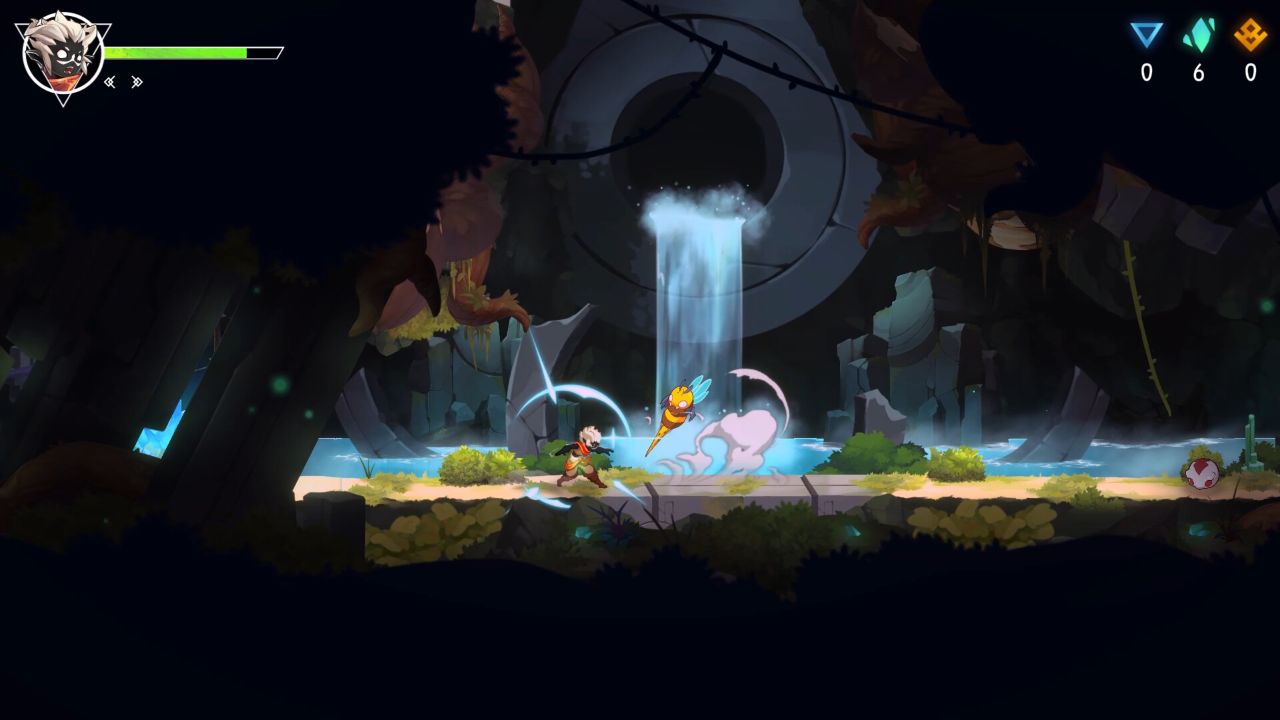
Where Fallen Tear: The Ascension really struggles is in the boss design, though. The balance is all over the shop, and some fall to a stiff breeze while others (looking at you giant red robot) soak up damage like a pissed-off teatowel. They’re also quite standard in terms of visual design, which is a shame considering how stunning a lot of the backdrops are, and how well the hand drawn art is animated.
While I’m not much of a proponent for strictly single player games spending time in early access, the time has been mostly good to Fallen Tear: The Ascension. It would benefit from more difficulty balance, which is a pox on many games these days when no one seems quite sure who to cater to, and it owes much to several other giants of the genre, and yet Winter Crew’s game is a compelling, enjoyable adventure in its own right.