
Pokémon is my favourite gaming series of all time, and it just recently had its thirtieth anniversary. There are so many reasons why I just adore this series, but I think more than anything else it’s that every playthrough is totally unique. This isn’t because you’re free to go wherever you want (because most of the games have a fairly linear path) but because of the monsters you raise and battle. It’s so rare for two people to have the same Pokémon as they journey to become the very best, and this means everyone has different connections to different adorable critters. This also applies to replayability, as I aimed to prove when journeying through Kanto for the millionth time in Pokémon LeafGreen.
The original two Pokémon games released in 1996 in Japan were Pokémon Red and Pokémon Green, and although we didn’t get the exact same colours these are the ones that started it all. Back in 2004 (which is still 22 years ago) these titles were remastered into Pokémon FireRed and Pokémon LeafGreen. With the power of the Game Boy Advance we had multiple colours, and also all the newer battle mechanics that had been added in that eight year stretch. They’re absolutely the best way to play that original Pokémon story, and since launch I’ve probably completed them about a dozen times in total.
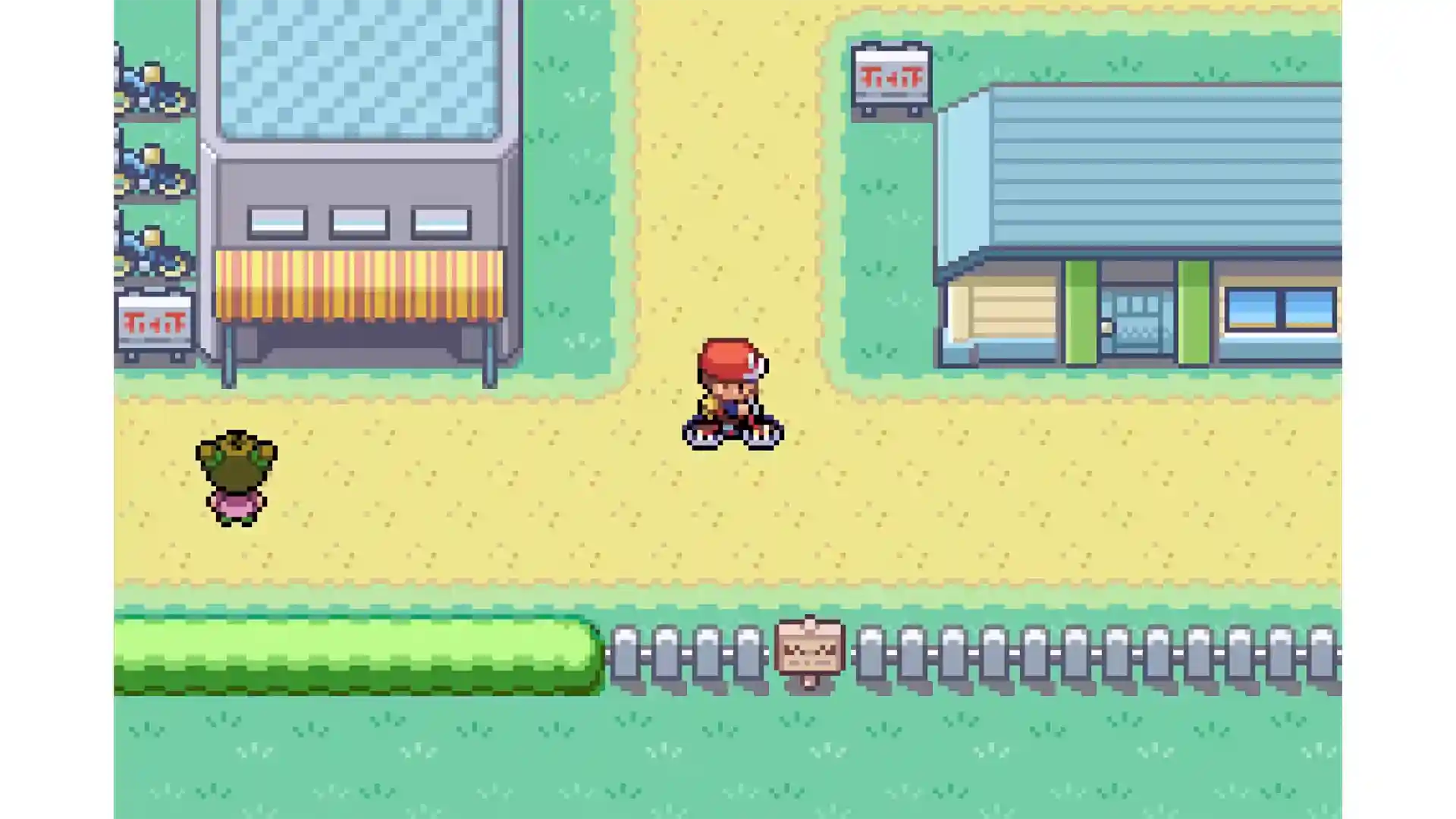
With eight gym leaders and the Pokémon league ahead of me, how was I going to make this 2026 playthrough different? I could have done a challenge run, and used a single type to take on all comers. There’s the much beloved Nuzlocke option, where Pokémon that faint must be released, and you can only catch the first encounter on each route. I decided to keep things a little bit more traditional though, and instead just use a team of creatures I’d never before had as my party of six instead of punishing myself. This is why I chose LeafGreen, because as a FireRed teen I didn’t have access to a whole host of exclusive pocket monsters.
Like almost all Pokémon games, FireRed and LeafGreen came in two versions. These came with a handful of unique creatures, and to catch ‘em all you’ll need to trade with a friend. The encouragement of sharing with others is a cornerstone of the series, and now the titles have moved to the Switch you can do this locally with modern day wireless magic instead of with a cool plugin adapter. There’s no online connectivity added, but you will also be able to move your favourites from these two classics into Pokémon Home to keep your collection together.
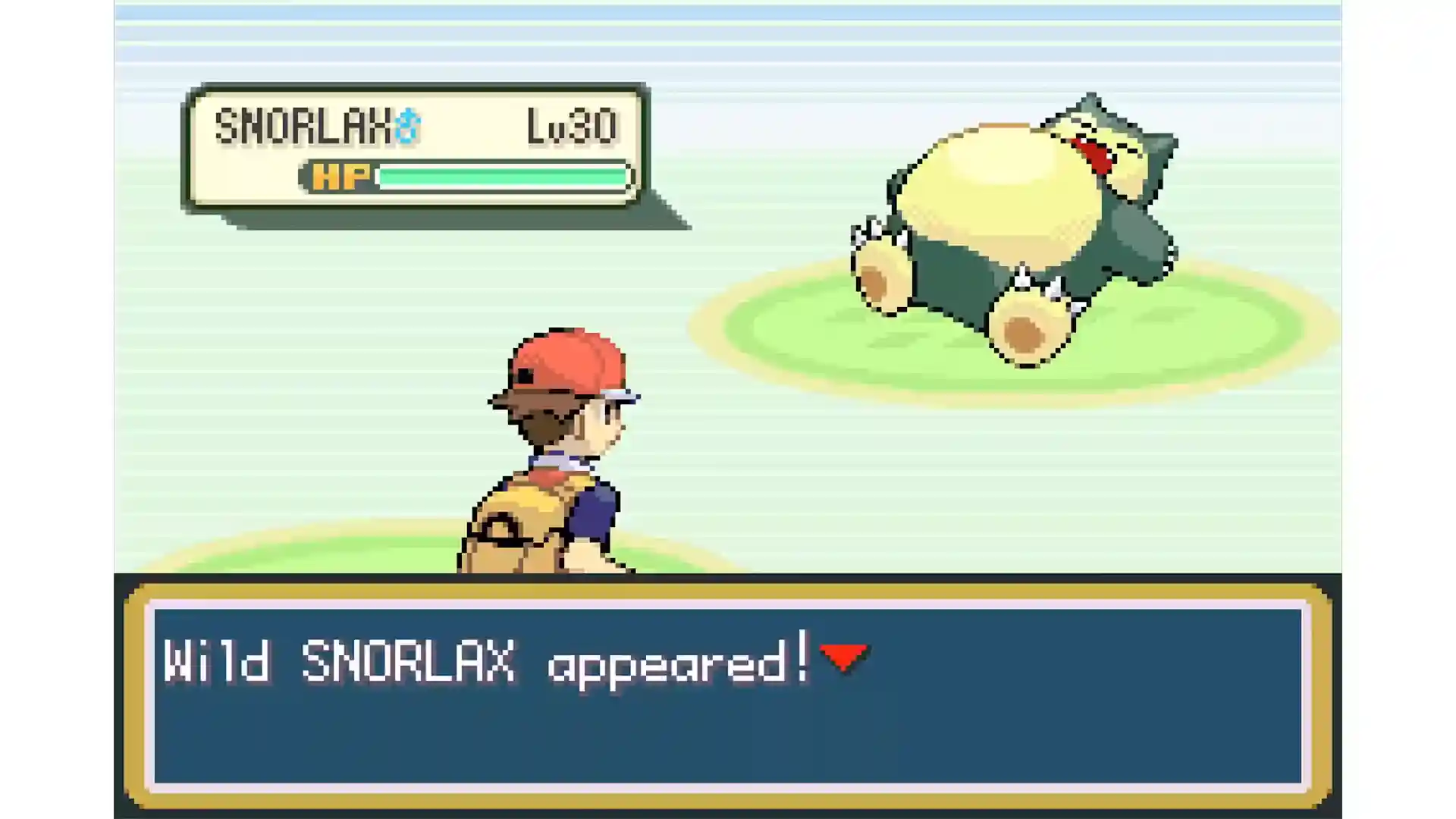
Let’s face it though, the reason we are playing Pokémon LeafGreen in the first place isn’t to swap a rock for a turtle. It’s to battle, raise and evolve those iconic monsters. Battling in turn-based combat remains timeless and entertaining, with four moveslots to fill with various offensive and stat boosting abilities. To succeed you’ll need to brush up on your typings, because this massive expanded game of rock paper scissors is all about taking advantage of weaknesses and resistances. With seventeen (sorry Fairy) of those types to think about, there’s a lot to learn about the 151 Pokémon you’ll find on your adventure.
Everything about FireRed and LeafGreen just feels so right for a Pokémon game. There are enough new Pokémon on each route to make filling up your Pokédex and gathering new warrior plants a blast, and the world manages to feel so alive and connected with charming NPCs who repeat now so memorable dialogue. Sure having to sacrifice move slots for HMs is still a drag, and random Zubat encounters in caves will drive you mad, but this is what made the series great dammit.
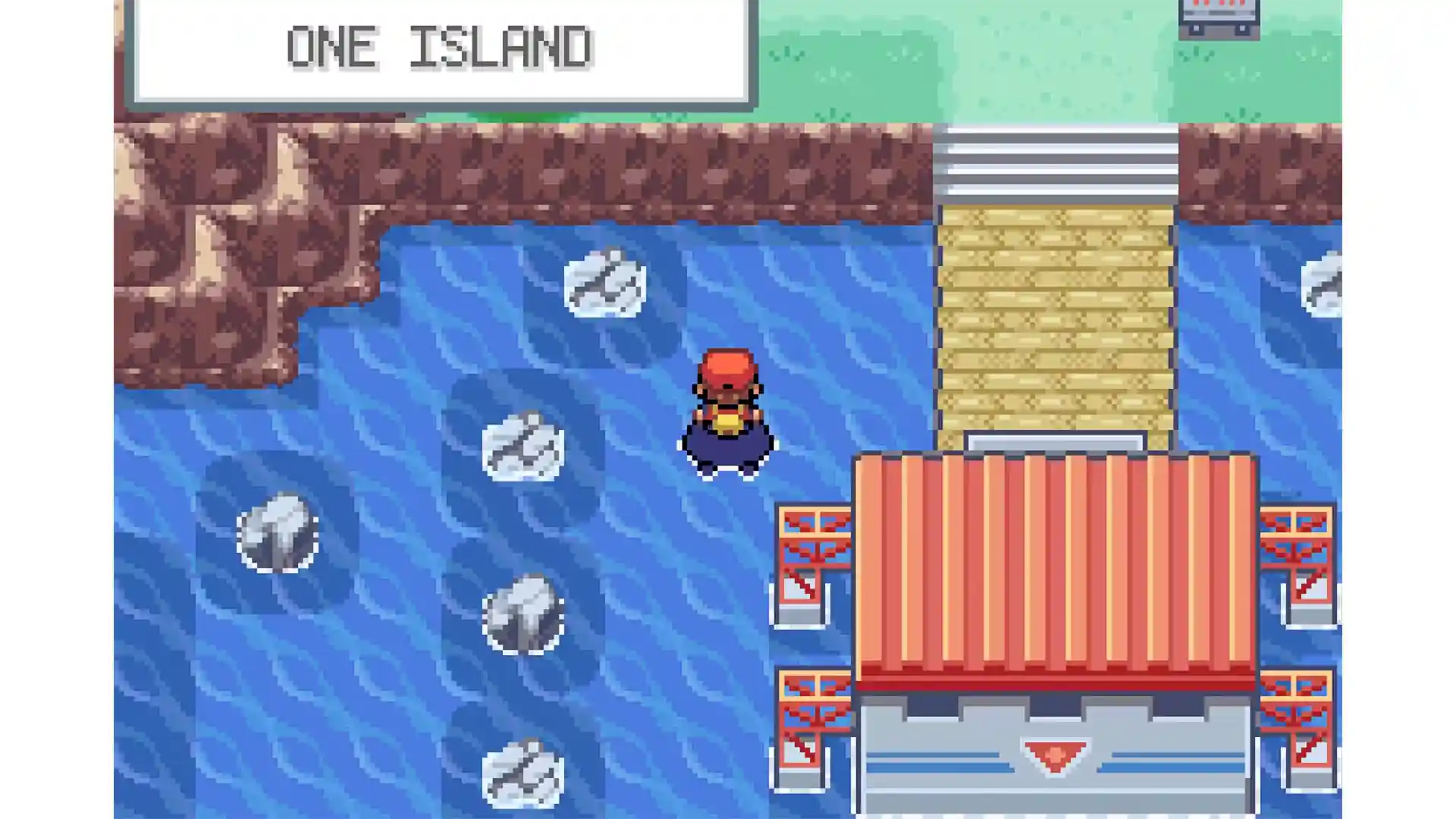
I’m so glad the spotlight was put on FireRed and LeafGreen instead of the original Game Boy Pokémon titles. The improvements are just mind blowing and make Red and Blue feel pretty redundant, like the addition of passive abilities that make each Pokémon feel even more unique. There are also the Sevii islands, which add an extra chunk of Team Rocket story and extra Pokémon from later games.
If you played Pokémon as a child and are coming back now as an adult, there’s a level of nostalgia that these games will hit you with that is unlike anything else. Everyone has their own favourites to battle with, and you’ll likely remember their little lo-fi cries as they’re launched into battle. The soundtrack is just glorious too, with almost every single track being both memorable and fitting the vibe perfectly. I’m so glad I can play these games on the Switch and Switch 2 now, because they feel like such an important piece of my formative years.
Now despite the nostalgia and love I have for Pokémon LeafGreen, I can’t pretend it isn’t dated in some pretty significant ways. In 22 years Pokémon has evolved quite a bit, and not everything was perfectly balanced back on the GBA. The physical/special split was introduced in the next generation, which gave each type of move physical and special variants that use different stats to deal damage. This means there are some Pokémon of specific types that are incredibly lacklustre, and it’s just because they can’t really use their stats properly. The lack of the Fairy type makes Dragons too powerful too, which admittedly isn’t as big a deal in a game with only Dragonite to worry about.
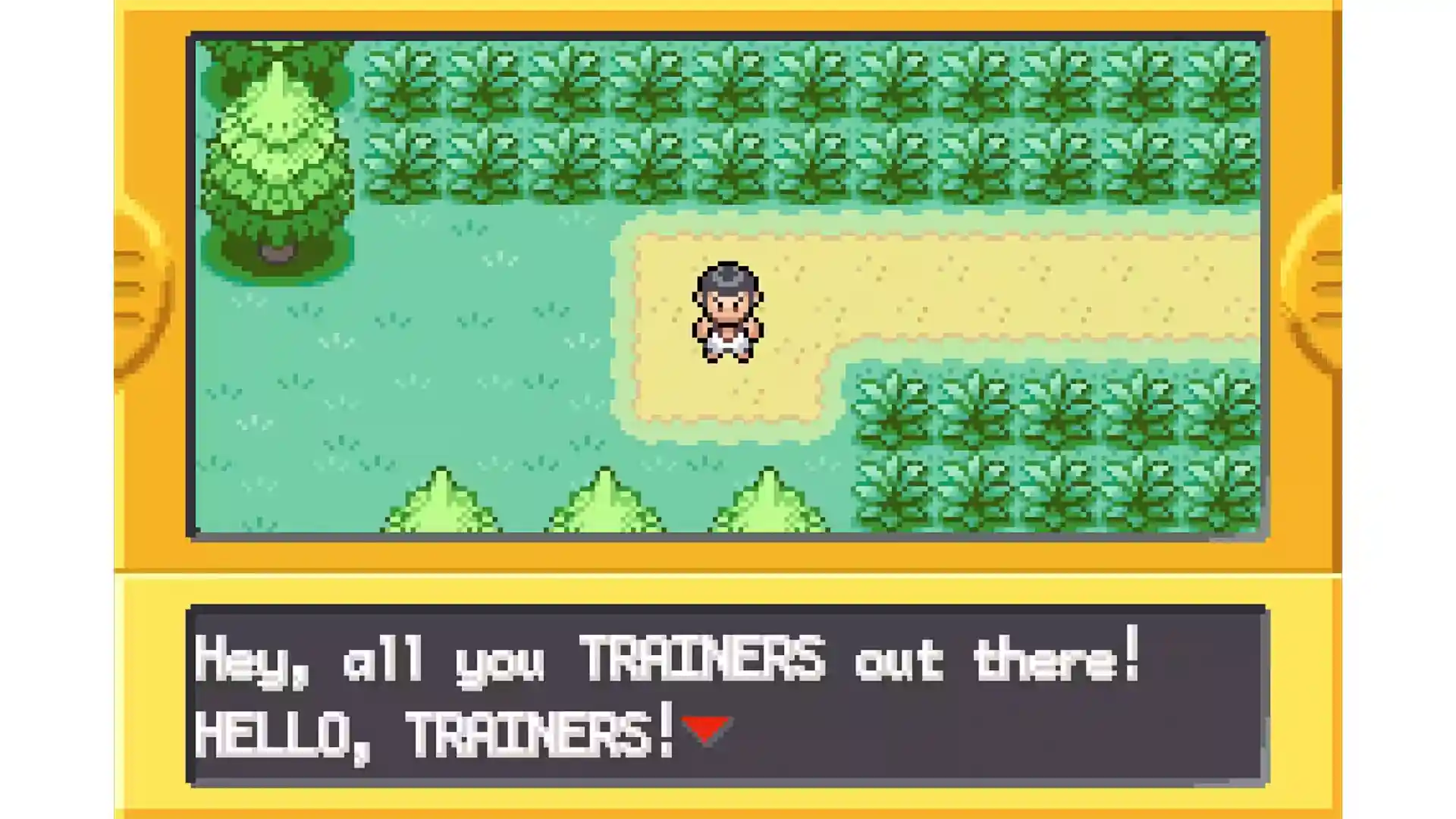
The main other issue many will have with Pokémon LeafGreen is how little has been done to it for this release. It is simply a drop of an old game onto a new console, with nothing changed outside of connectivity. For some that might not be worth the price of entry, and that’s perfectly understandable. That said, the community is already discovering small bugs that have been fixed, so it’s not “exactly” the same code as those originals.
Pokémon LeafGreen is the best way to experience the origins of Pokémon in all its glory, and even in the modern era it’s a wonderful RPG. There are so many iconic monsters to catch, battles to take on, and places to explore, and with that delightful soundtrack playing throughout it’s a hell of a nostalgia trip. Some might struggle to justify the price tag given how little has been done to the game for its 2026 release, but it’s undeniably a fantastic Pokémon game that I would replay again in a heartbeat.


