
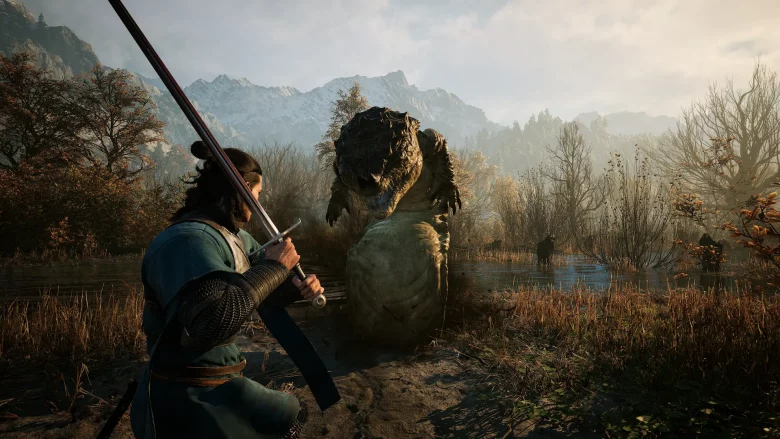
I’m going to lay my cards out on the table early here: The Blood of Dawnwalker was already one of my most anticipated games of 2026, and having spent four hours playing the game, it’s already a game of the year contender.
If you’ve been following the detailed pre-launch coverage that’s been drip-fed over the last few months, you’ll know the pedigree behind Dawnwalker. With multiple members of the team having previously worked on The Witcher 3, including Director Konrad Tomaszkiewicz, the DNA is clear to see in The Blood of Dawnwalker. Despite those similarities though, it feels distinct, unique and dripping with lore to sink your teeth into.
Yes, that was a vampire pun. No, it won’t be the last one.
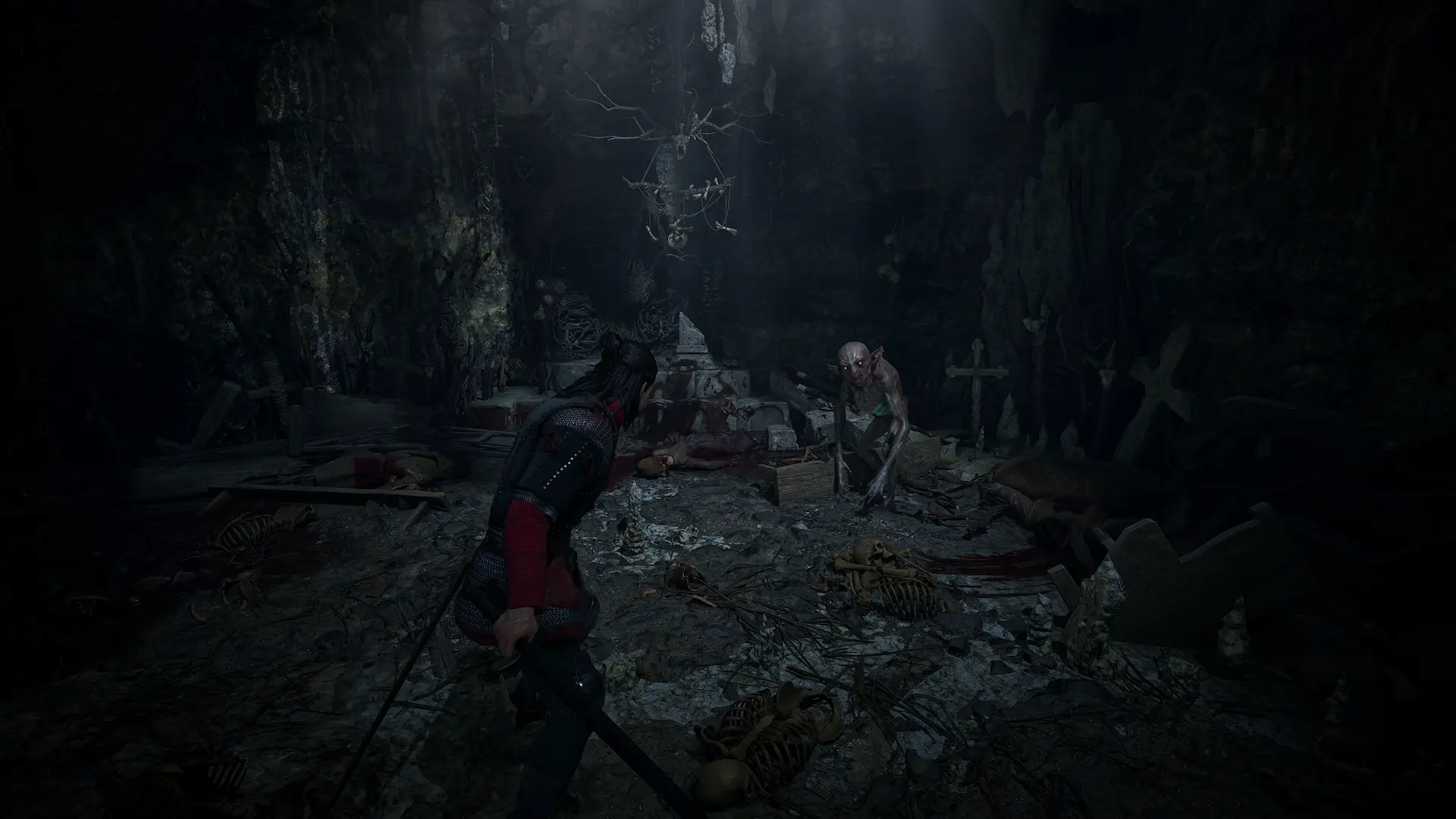
I was fortunate enough to play through the entire prologue before being let loose into a corner of Vale Sangora, the 14th century European valley that’s ruled over by Vampires who have split the land into fiefdoms overseen by Brencis and his court of followers. It’s a miserable place, with inhabitants feeling like little more than cattle as every 30 days Brencis descends into the valley, holds Mass at the local church and demands his “blood tax” be paid. It’s an immediately engrossing premise, and leads to some genuinely horrific moments in the early game that turned my blood cold.
We play as Coen, a local lad who, like everyone, is living with the constant threat of the blood tax over him. It hits particularly close for him, as his mother is one of the recent victims of the tax, leaving her a hollow shell and the strained family dynamics between him, his father and his siblings really shines in these first few hours. The quality of the performances and character designs immediately stood out to me, with Coen’s family feeling particularly real, while Brencis and his lieutenants have some inspired and unusual designs that I’m excited to see more of.
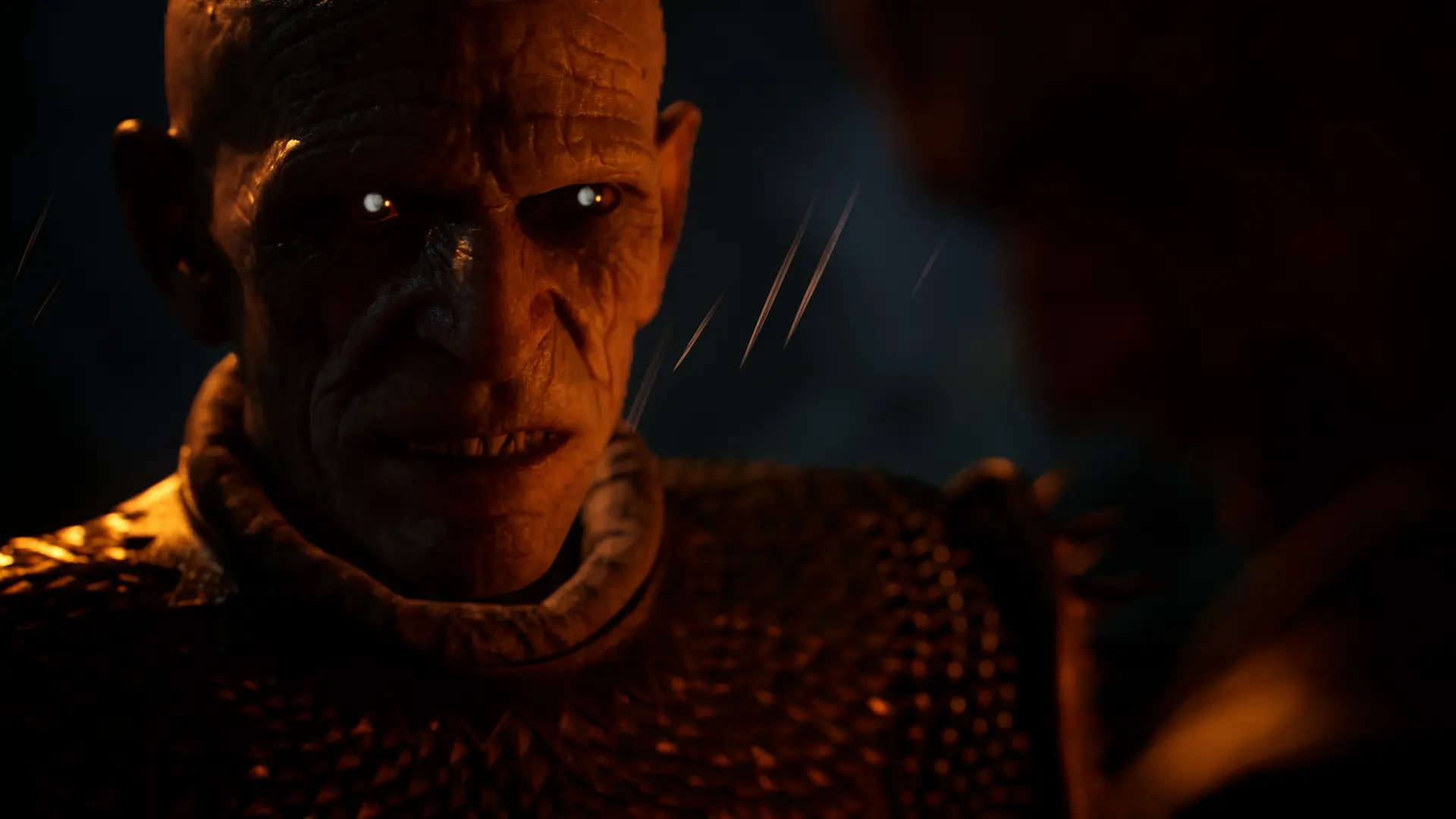
I don’t want to spoil the opening too much, but obviously things take a few bad, blood-soaked turns that lead to Coen’s family being taken away and leaving you 30 days to rescue them. These events also turn him into the Daywalker: a being with the power and abilities of a vampire during the night but who then returns to human form during the day. I can’t wait to find out more about this, as there are clearly some deeper mysteries with Coen that lead to this transformation and his unique ability to straddle the human/vampire line, and the game does a great job of teasing them
This all sets the stage for the dual play style system that the game is built around, and any concerns that it might leave one side lacking can be put back in the coffin as both are a joy to play. In our interview with Konrad Tomaszkiewicz, he references the fact that they basically had to build two games in one here, and that definitely seems to be the case. There are obviously similarities between Coen’s two forms, but both play very differently too and open up new opportunities and challenges.
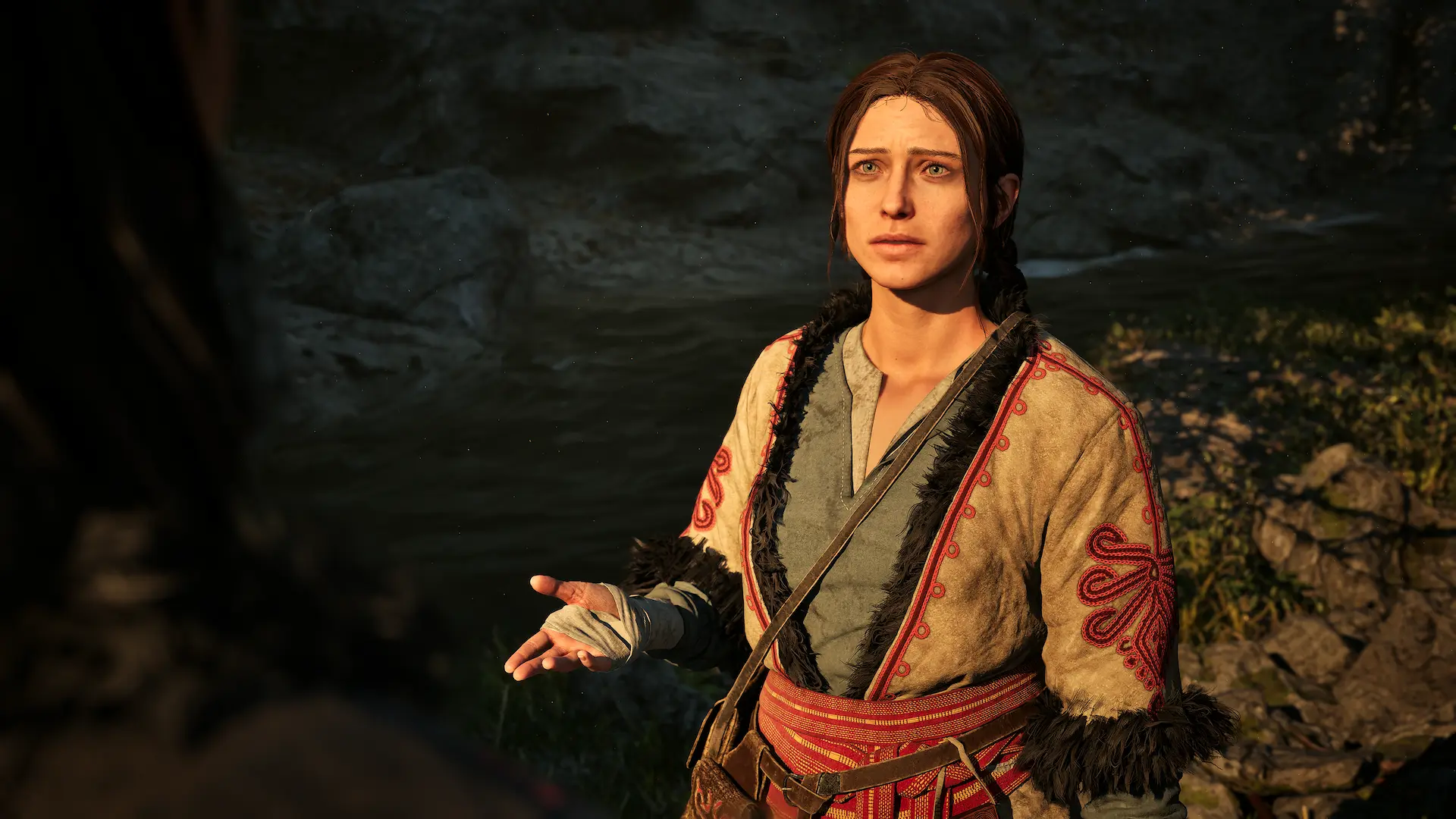
As a human you’re obviously more amenable to the locals, giving you the chance to talk your way through situations. While you can always let your sword do your talking, Coen also gets access to witchcraft during the day as it involves making cuts on his body that heal instantly while in vampire form, rendering it unusable at night. This opens up abilities such as being able to convene with corpses and pump them for information, aiding you in some of the investigatory sequences.
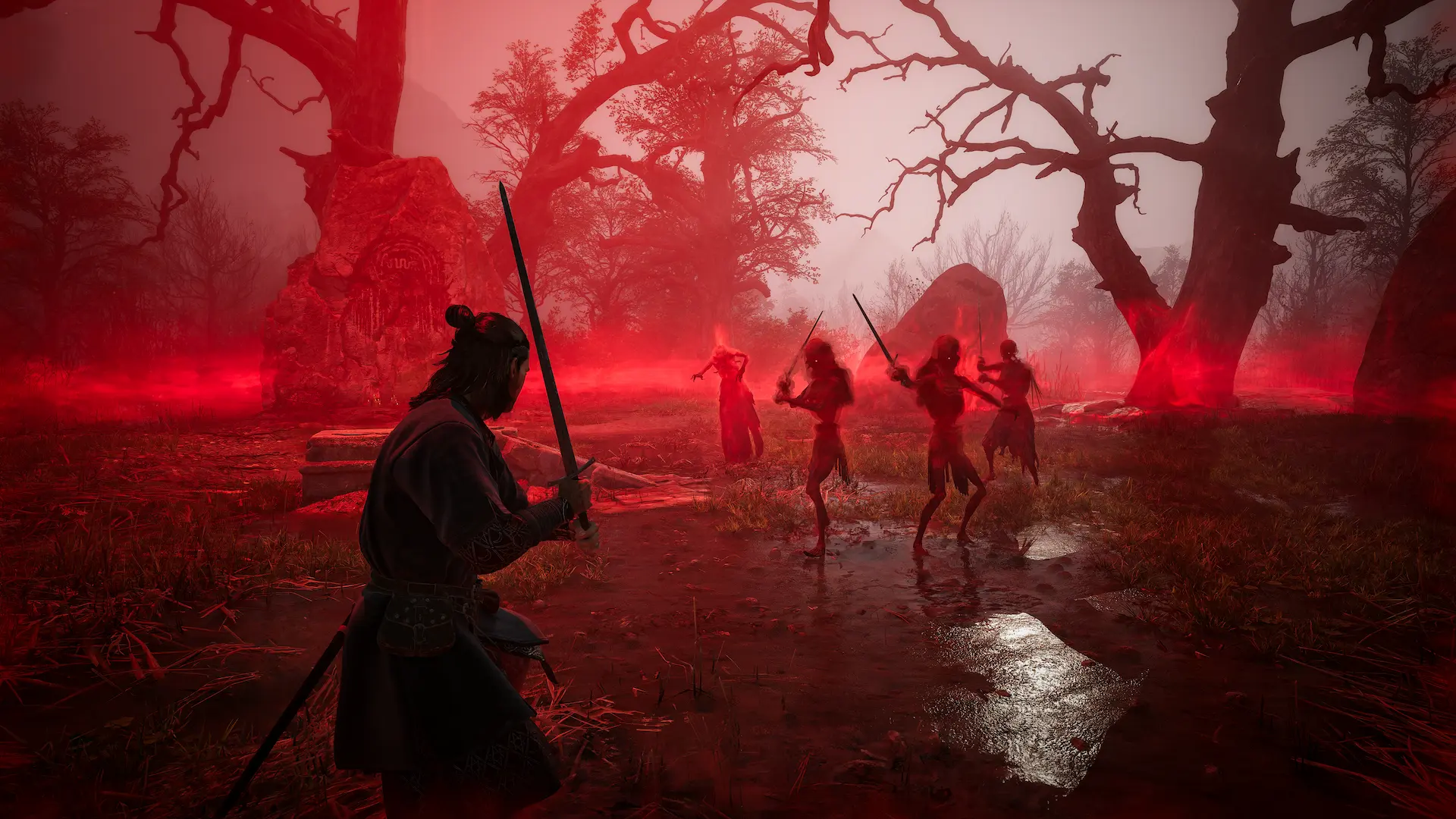
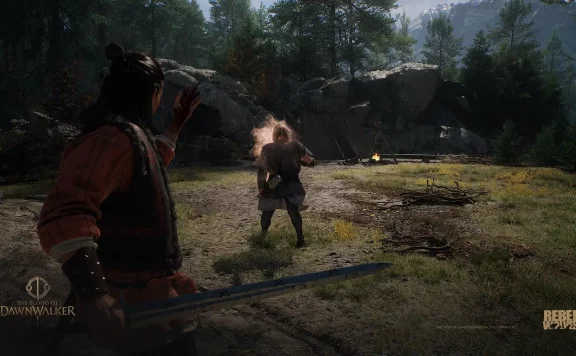
When the sun goes down, the fangs come out and Coen unlocks a host of new abilities. You can ditch the sword and just go into battle with your claws, and you’re able to feed on enemies to revitalise yourself mid-battle. My favourite abilities were Shadowstep and Planeshift, which let you teleport and walk on walls/ceilings respectively. They open up new opportunities for exploration and can be used in combat to instantly appear behind an enemy and get a few slashes in. You feel unleashed as a vampire: it’s exhilarating dropping into a group of enemies and obliterating them with a mix of claws and vampiric powers.
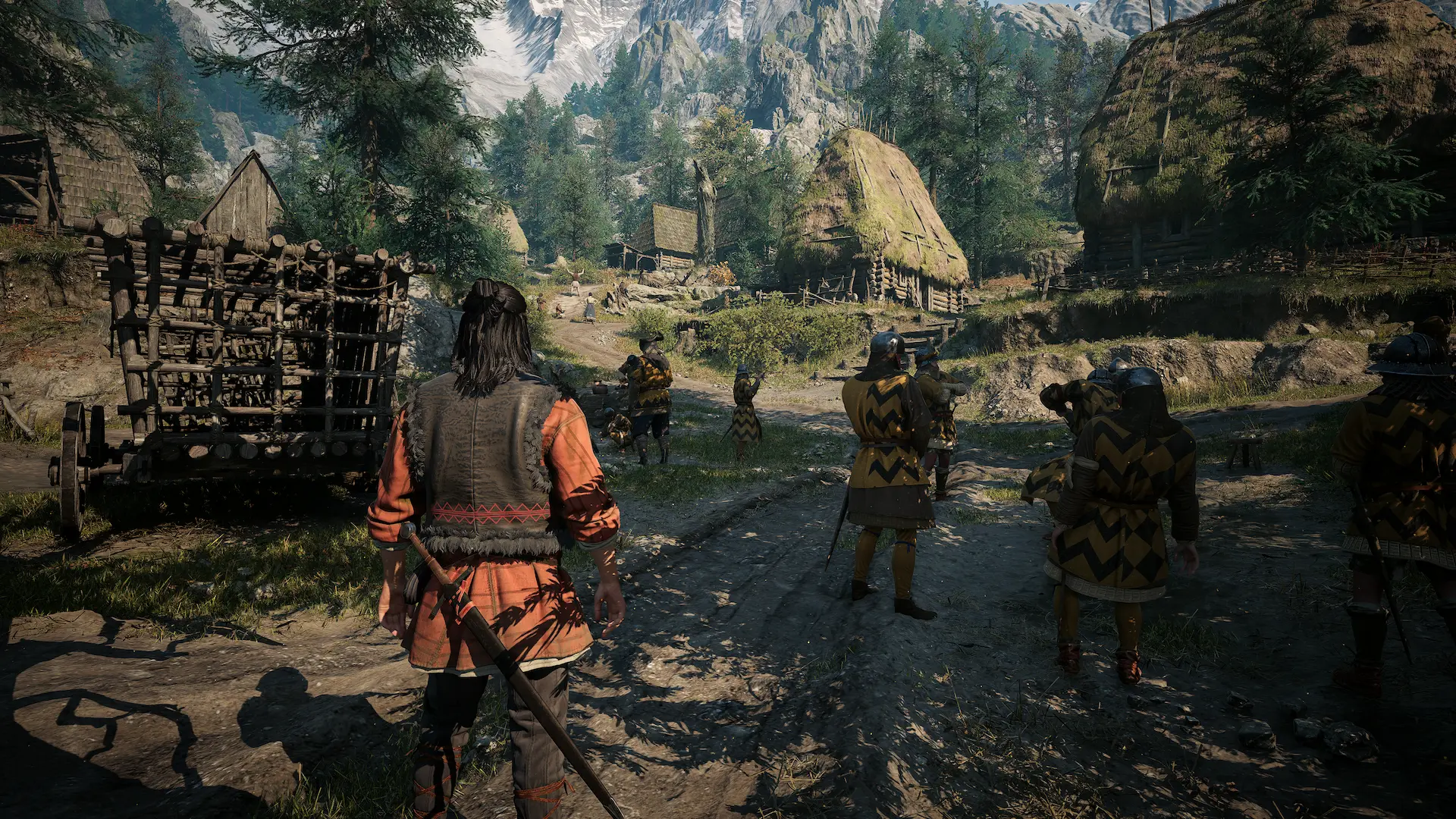
The reason it’s so satisfying though is that the combat is actually quite tough. It employs a directional system, similar to something like Kingdom Come, where as you attack with RB you’ll need to use the left stick to determine whether you’re attacking from the left or right, or from above or below, as your enemies will be blocking in one of those directions. Get it right and you can chain together attacks or blocks with no need to worry about stamina. If you don’t use a direction then Coen will automatically choose one at the cost of stamina. It’s a smart system, as sometimes it’s easy to get caught up in the action and forgetting to use a direction doesn’t punish you by stopping the attack, it just impacts the amount of stamina it uses so it works in a pinch but isn’t a viable strategy for a whole fight.
Combat is great in a 1 vs. 1 fight: you can pile the pressure on, chain together hits and abilities until you break their guard and they go down. Against three or more enemies though it can get hectic very quickly: multiple enemies attacking all have their own on-screen indicators to show you where to block and it can easily overwhelm. I died about 20 times throughout my time with the game, although it was almost always because I got too overconfident in a fight rather than anything the game had done. You have to be considered with every attack and you can’t just mindlessly wail away on enemies without being punished.
The game’s got an open-ended structure to it, with the menu showing you Brencis and his lieutenants on a mind map of sorts, with strands coming out of each that signify different things in the world that they’re involved in. Ambrus, one of these lieutenants, is responsible for blood harvesting in the valley so as you explore his regions you’ll find quests or activities related to his operations which then populate on the map, turning it into a quest log of sorts. For example, while exploring I found some rather downtrodden people slaving away in the swamps, which turned out to be his leech farm. This then became an opportunity for me to disrupt his operations and put the pressure on Brencis. Or it would have, if I hadn’t struggled with killing the guards posted there.
Everything is governed by time too, with days and nights both split into 8 segments on a bar. Chasing a lead like the leech farm above or learning a new skill will consume a number of segments from the bar. You only have 30 days to rescue Coen’s family, and while it’s up to you how you do it, you have to make peace with the fact that you simply won’t be able to do everything. This might be an issue for some of the completionists out there: you’ll have to make difficult decisions between completing additional content or keeping the time to get more time on dismantling Brencis’ operations. I personally loved it though, and am more than happy to accept the consequences of my actions with the assumption that I’ll want to play this more than once.
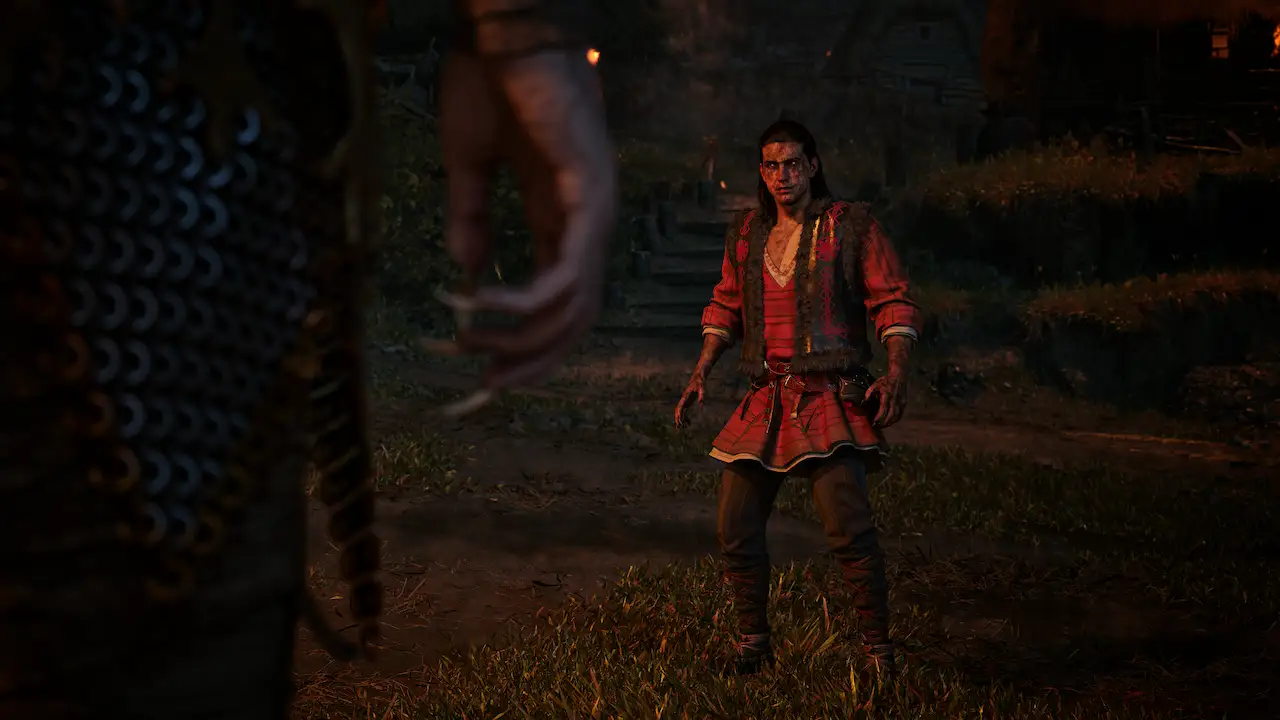
I loved my short time with The Blood of Dawnwalker and I can’t wait to get my hands on the full game. The world that Rebel Wolves has built is so captivating and beautiful to explore, with dozens of threads I already want to pull at. The combat demands your full attention, but with the suite of weapons and abilities at Coen’s clawstips, it’s something I’m more than willing to put more time into.
Travel costs were paid by Bandai Namco for us to go and play the game.
The Blood of Dawnwalker is coming to PC, XBOX, and PS5 on September 3rd.




Adam Cook
Was already high on my list, now it’s right at the top!