Although I was never much of a PC gamer, I have such strong memories tied to the point and click genre. It reminds me of staying over at my cousin’s house and playing Monkey Island for hours, and of my first year of University where I spent a night completing Beneath a Steel Sky with someone I later grew to strongly dislike. As someone who spends as much time as possible with RPGs, it’s no surprise I love this story focused genre even if I missed out on its glory years. In 2026 though it must be said that point and click games feel like a bit of a relic of the past, with countless cinematic experiences making storytelling more bombastic than ever before. Crushed in Time is dragging the corpse of nineties PC adventures into the modern age, with a distinctly meta narrative and novel way to interact with the world.
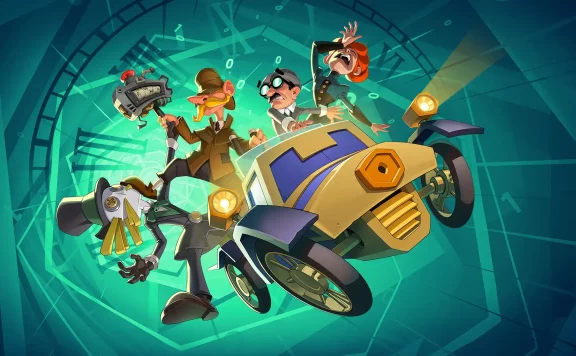
In Crushed in Time you follow the story of Sherlock Holmes and Dr Watson, those classic literary gents from the mind of Arthur Conan Doyle. These aren’t your standard stuffy detectives though, this version of the duo is a bit more odd. Holmes is pretty much an idiot, who bumbles around trying to sound smart and is generally just a nuisance. Watson is as usual his straight man, but with a more nervous streak. Their back and forth is daft and amusing, and that’s before the weird stuff starts.
If you know much about the developer of Crushed in Time, you are probably already expecting something utterly bizarre. Crushed in Time is not your average adventure game, and is in fact more like a video game in a video game. You’re actually introduced to this world via an office, where panicked devs are shouting about shipping a broken game and getting review bombed. Sherlock and Watson have no idea of their situation though, and are just getting ready to head on an adventure.
With a mysterious note leading them to a fancy manor house, things take a turn in the sci-fi direction for our duo of duds. When a mysterious stranger steals their automobile and teleports away, it’s up to you to guide Holmes and Watson towards following in his footsteps. It’s not dimensions you’ll be hopping between though, it’s versions.
The magical doodad of Crushed in Time is able to transport you between different versions of the game you’re in, and it’s such a ridiculously entertaining concept for a game. Early on you’ll jump across to a prototype where there are crudely drawn versions of Holmes and Watson who can’t say anything but “test”. Then someone will type 8-Bit into the console and everything goes a bit Day of the Tentacle. I won’t spoil any of the particularly wild other places you end up, but everywhere you go is equal parts clever and amusing.
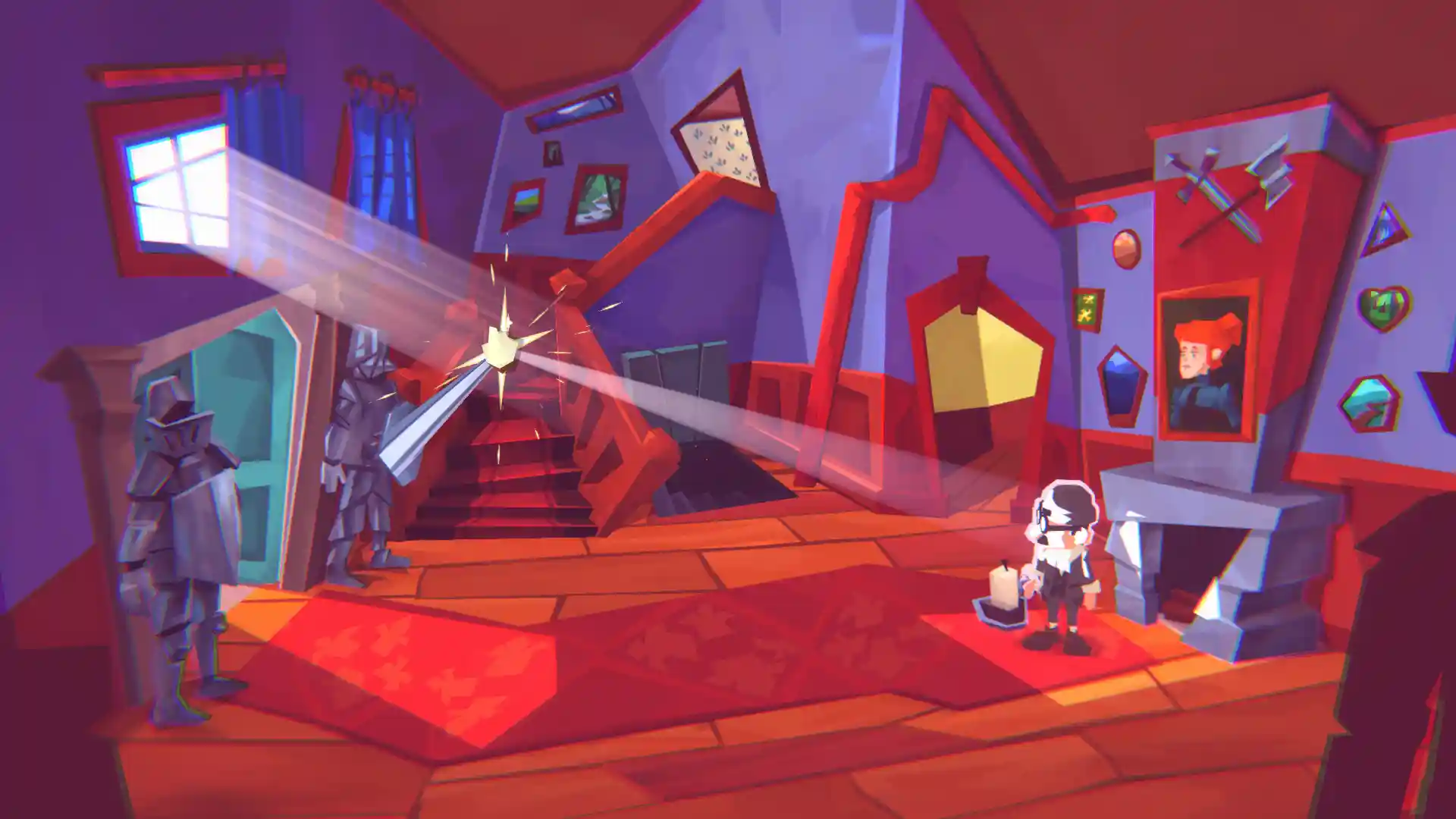
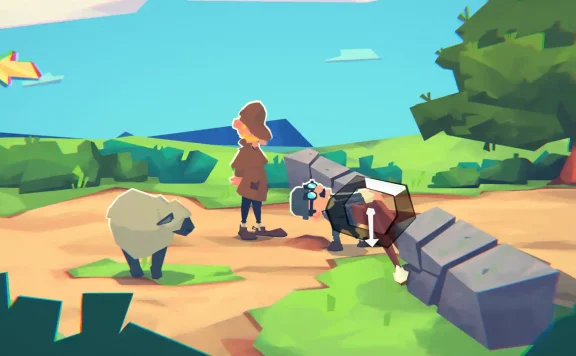
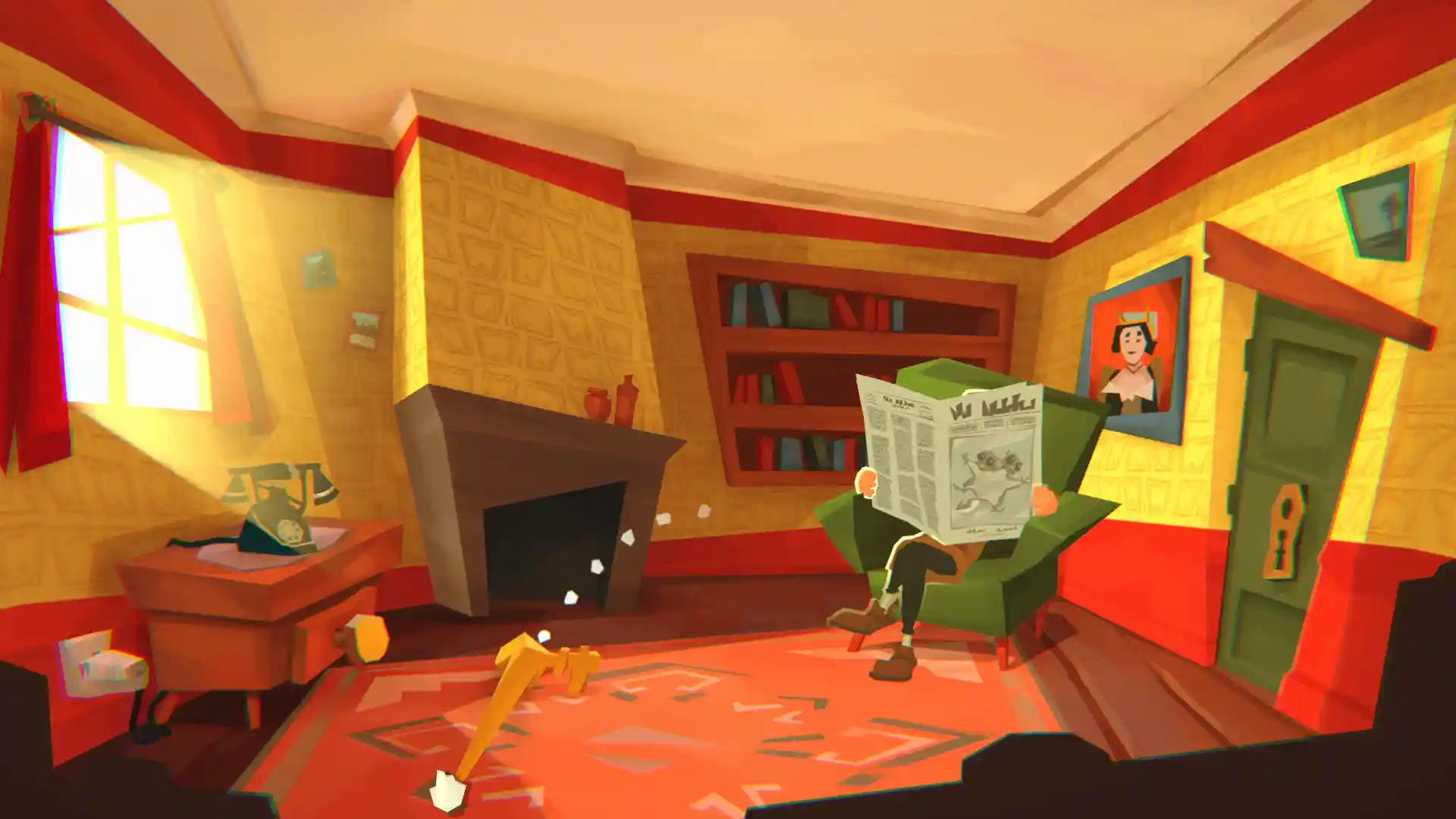
Once you arrive in a new scene there will almost always be a problem that needs solving. This is where you’ll come in, with your ability to stretch things with the cursor. Early on you’ll use this elastic ability to launch keys into locks and open doors and draws, but there are so many more ways to use this unique method of interacting with the environment.
To explore a dark basement with Watson’s candle for example you can stretch the wick, and as the light source moves away from the scaredy cat doctor he’ll rush along with it. You’ll need to turn valves and start engines by rotating, or occasionally even get the timing right on a test of strength. It’s such a tactile way to interact with the world, that ensures you really feel your effect on the world.
Like any of the classic adventure games, Crushed in Time is a game where it’s fairly easy to get stuck. With different elements to interact with on screens and different orders that’ll lead to new discoveries, I found myself getting stuck fairly regularly. Often just toying around with everything will help with this, but if not you can use the robust hint system. Important elements all have two or three hints you can reveal that’ll help you understand how to progress, and there’s never ever punishment or judgement for using them. The hints made the playthrough go much more smoothly, and ensured this wasn’t a game you need a guide for like so many of the classics.
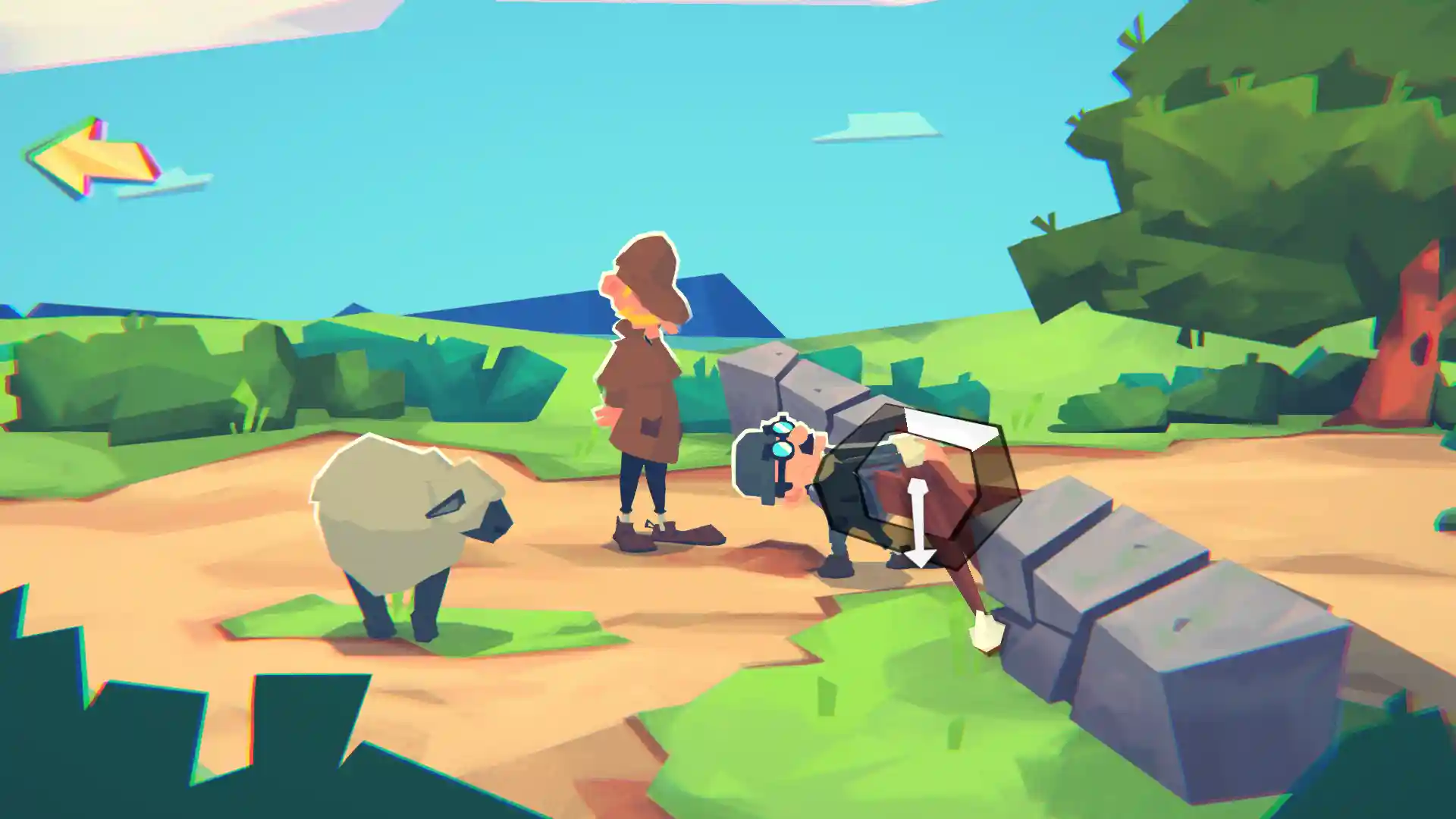
Despite this handy hint system though, I must admit I did still get stuck a few times. The hints often told me what I already understood, but not quite how to implement this information in a helpful way. This was admittedly rather frustrating, but I also understand that it’s hard to cover for the biggest of dunces (which apparently includes me). Otherwise there’s not a lot to moan about in Crushed in Time. The inability to skip text and having to listen to all the spoken lines did feel a little odd and occasionally annoying though, and I do think there are a couple of slightly more annoying characters that added less to the game.
Crushed in Time is a creative and entertaining twist on classic point and click games, with some moments that absolutely must be experienced first hand. The game within a game theme is absolutely fantastic, and I just loved seeing all the wild versions of the same environments and characters. Interacting with the world is so clever too, with a small stretchy change that makes all the difference. Outside of a few small issues, Crushed in Time really does excel in bringing the modern equivalent of PC adventure vibes into 2026.