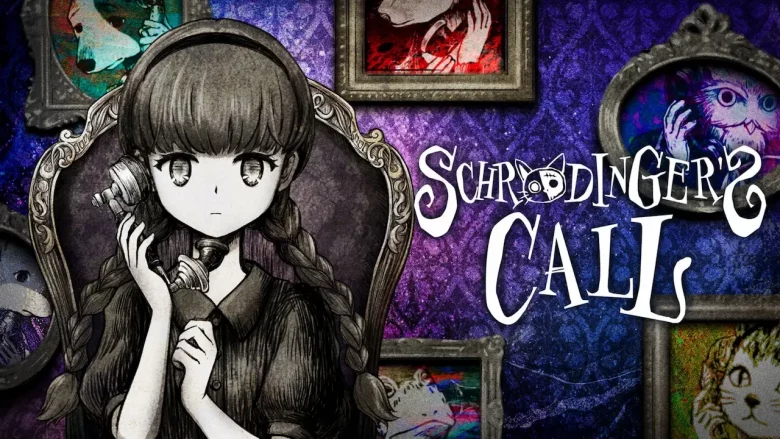
There are plenty of games that take place at the end of the world, because let’s face it that’s a pretty interesting setting. For the most part these apocalyptic scenarios are used to bring out a threat for the player to overcome, and a threat of extinction to all we hold dear. That’s not how it has to be though, and I’d like to hope for a bit more of a peaceful End Times if at all possible. Schrödinger’s Call tells the emotional story of humanity’s destruction, in the form of phone calls and animal avatars.
In Schrödinger’s Call you play as Mary, a young girl trapped mere nanoseconds away from total destruction. As time stands still, the moon is about to smash into the Earth and kill us all. In this moment Mary finds herself in a mysterious room with a phone, with no memory of who she is or the events that are about to unfold. There is a whole lot of intrigue even in this opening, and things only get wilder from here.

Fortunately for Mary she isn’t alone in this room, there’s also a cat. Hamlet isn’t just a purring menace though like most kitties, he can speak and give advice. It’s this furry friend who tells Mary about her role in this place, as The World’s Last Confident. Mary is the only one who can speak to the lost souls who are about to die, and help them pass on peacefully. By saying Hello into the old rotary phone she’ll invite these spirits to talk to her, can learn their story, and help them with their problems. It’s a pretty grand task for an amnesiac little girl, but that’s unfortunately the hand that’s been dealt in this world.
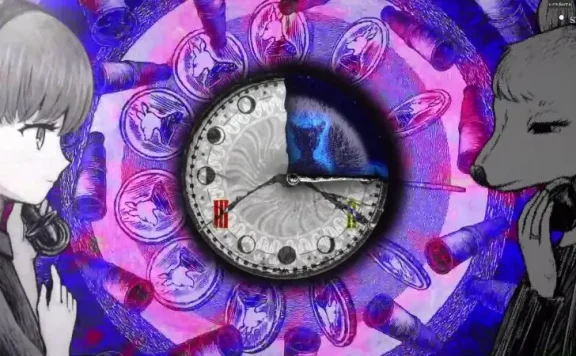
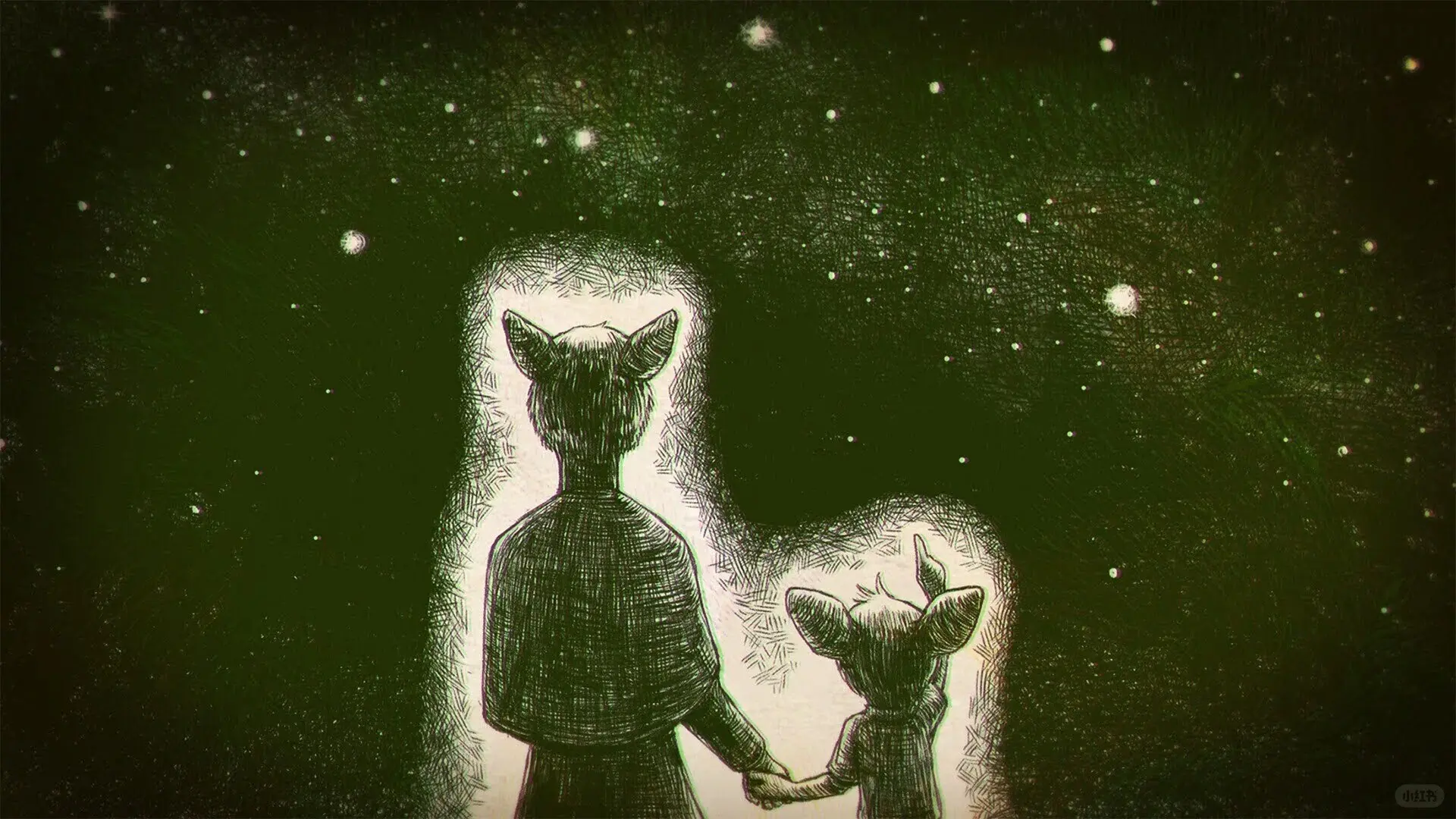
There’s a wonderful cast of characters you’ll talk to on this phone, all shown as anthropomorphic animals since Mary can’t actually see them. The first of these is a mother who hasn’t spoken to her child in a long time, and can’t pass on until she knows he’s okay. Then you’ll get a call from a playwright who is full of self hatred after an issue with someone he held very dear. It’s hard to quite convey the emotional weight of some of these stories without spoiling them, but Schrödinger’s Call is a game where you might benefit from a box of tissues nearby.

Although I don’t want to talk too much about the details of the story here, there’s still the gameplay to discuss. As you’d probably expect from a visual novel this is a game with a lot of reading, but it is more involved than some in the genre. As you talk to your lost souls, Mary will jot down details in her notebook that could be important later (as well as drawing some gorgeous accompanying doodles). Then in later conversations there’ll be moments where you’ll have to help them remember their situation, by using some previously acquired information. It’s a nice way to provide some interaction while checking you’re following along, but you’re also never really punished for getting things wrong.
Your notebook also contains all the numbers you need to call on the old rotary, of various lost souls and people who are important to them. All of these soon to be deceased callers can only speak to you, so you spend a lot of time going back and forth to try and work out the details of their plight. This means entering plenty of numbers manually one digit at a time, which may sound tedious but really makes you feel like a part of the operation (and thankfully they’re only four numbers long).

The emotional weight of the story in Schrödinger’s Call is seriously impactful, but the audio and visuals amplify it to another level. The music when desperate moments arise is as tense as it is beautiful, and all the while you’ll have the trippy visual effects wash over you. I can’t really think of another game where these elements are so important, and it’s seriously impressive.
Schrödinger’s Call is a wonderful game full of heart, but it’s not entirely without issues. For me the biggest sin it commits is towards the end of the game, where it goes over important plot twists over and over. It’s clear the developers wanted to ensure that nobody misunderstood these clever moments, but by the third or fourth repetition it actually detracted from the weight of the situation.
Schrödinger’s Call is a beautiful experience, full of real human emotion and clever twists. It’s a game that really made me reflect on myself, and the things that are important to me, the people who matter, and the actions I may one day regret. All of this while providing gorgeous visuals and a soundtrack that made my eyes leak and my heart stand still.