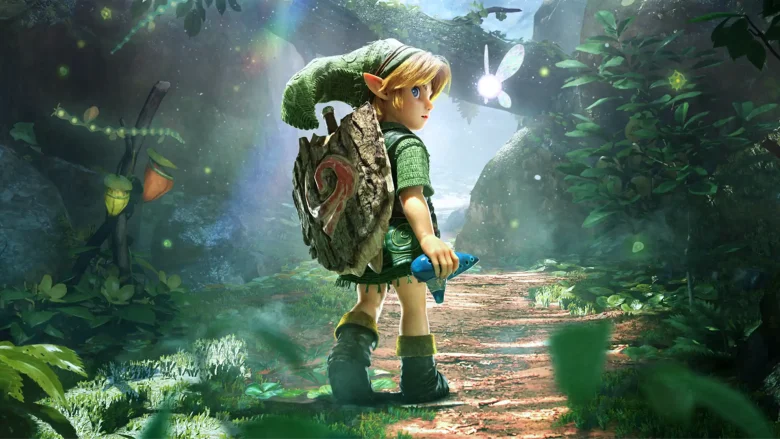
The Legend of Zelda: Ocarina of Time remake is utterly magical. There, that’s what you came to see, right? A stunning remake of one of the best games of all time, reborn for a new generation, so that newcomers can enjoy a brand new game, and us old folks can come back for a redux of a game we grew up with, having never believed such a feat would be achievable.
I don’t want to over-egg the pudding here, but when I finished playing the remake of Ocarina of Time, I was struck by a few things. Firstly, I couldn’t come up with a negative of any great concern. Secondly, and perhaps more importantly, this game has stood the test of time.
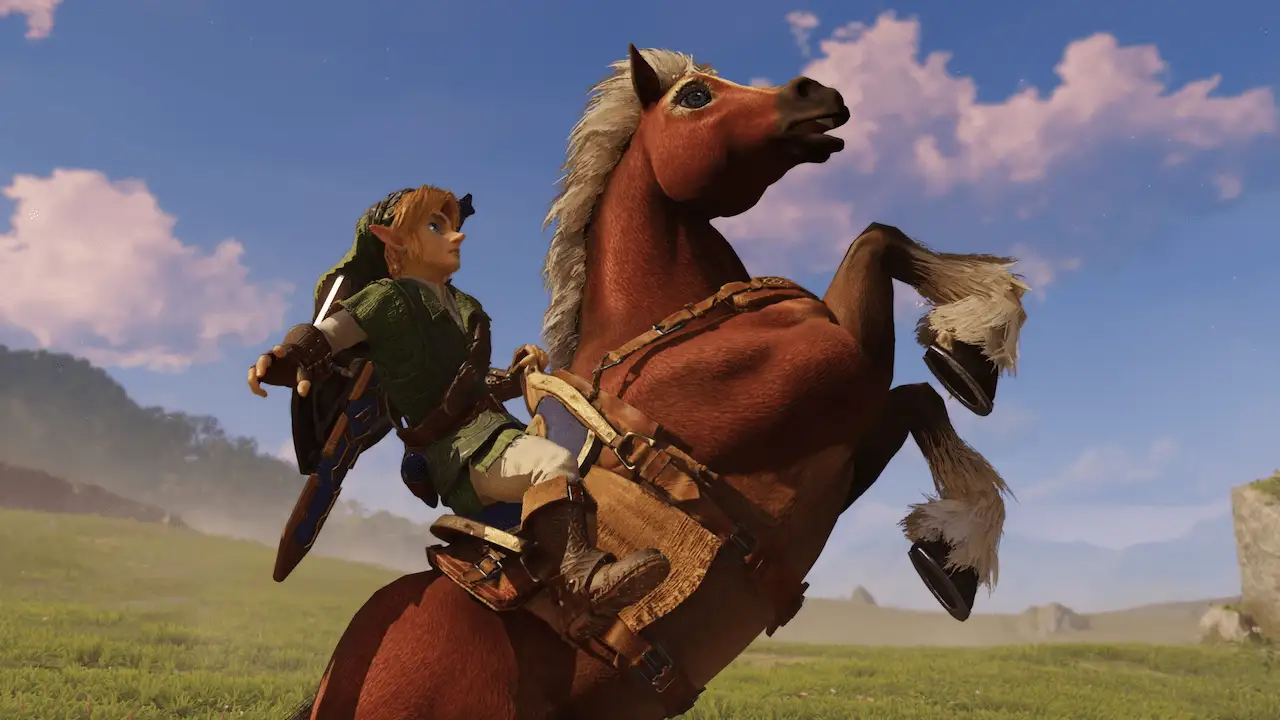
While there’s more to Nintendo’s remake of the late 90s classic than it being a simple visual redo, I can’t ignore the fact that this is probably the best looking game the company has ever made. From the gorgeous character designs to the stunning environments. This is the closest I’ve ever felt to playing a cartoon come to life. There was a moment as I was running across Hyrule Fields where a bird suddenly swooped down and pecked at something on a bridge ahead of me, then lifted off to carry on with its life. This isn’t “just” the visuals, Ocarina of Time feels alive everywhere you look, and I didn’t spot a single frame drop across the experience.
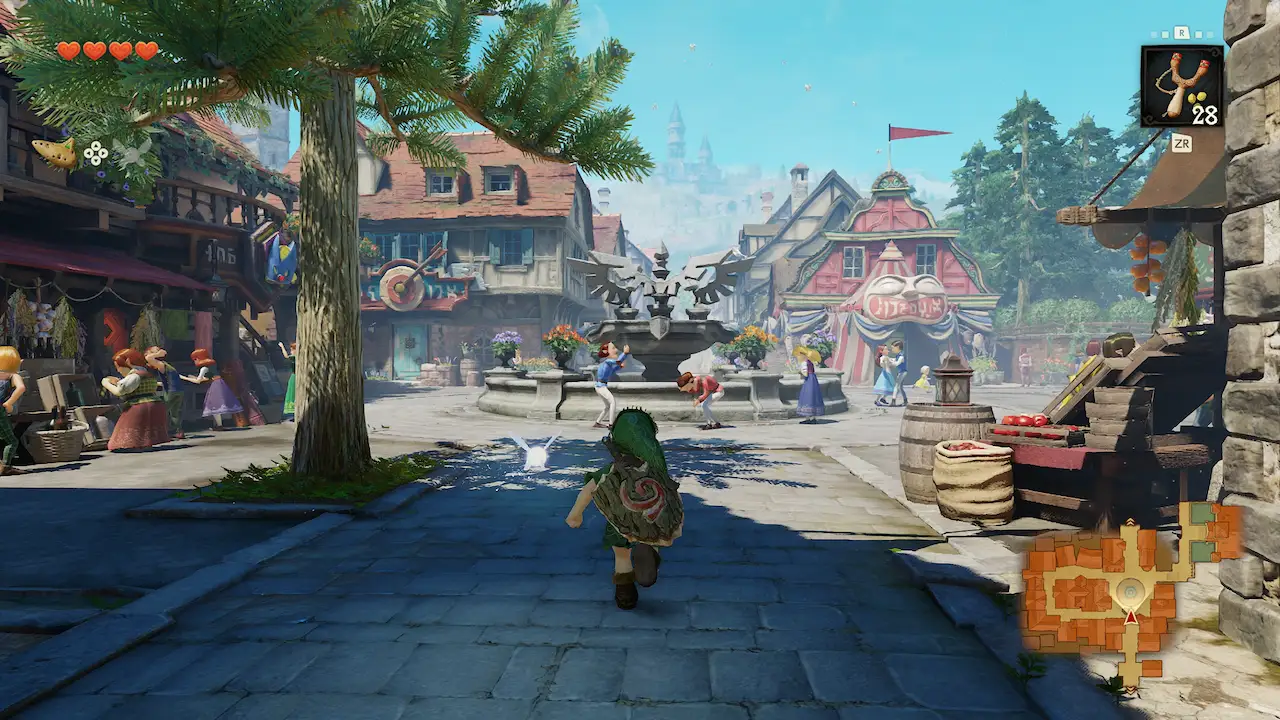
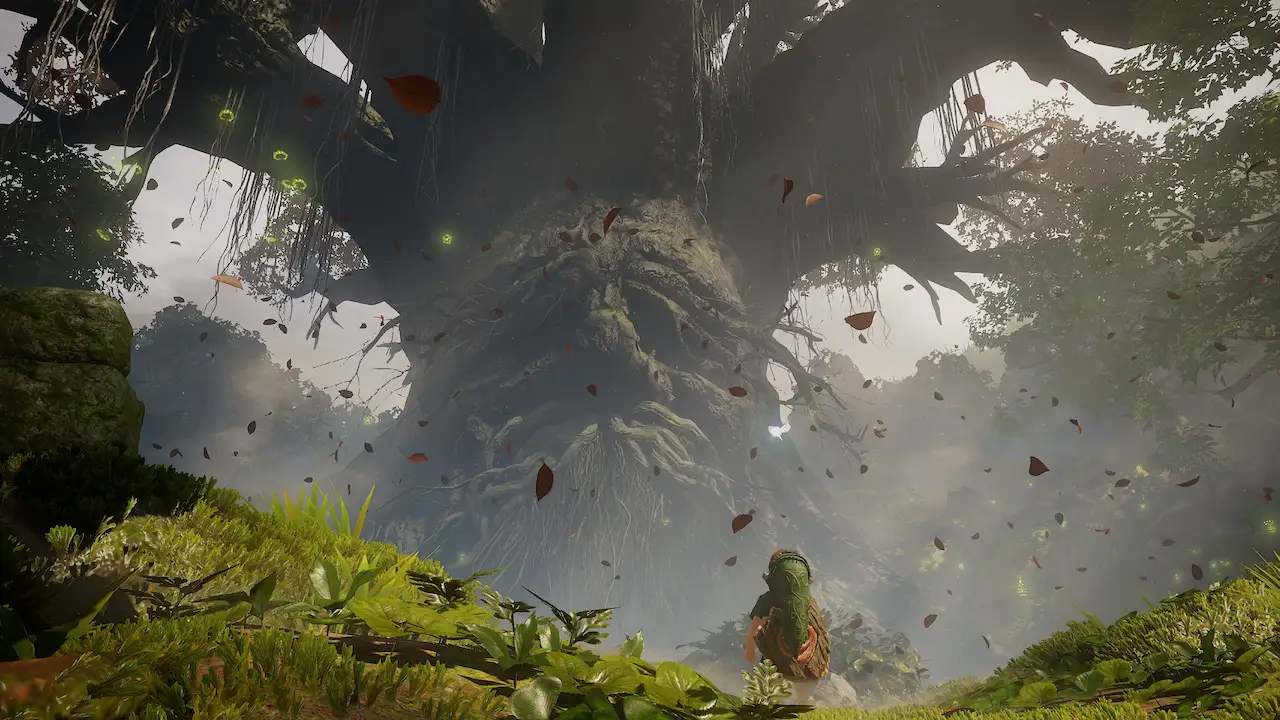
It’s not just any specific location, either. Hyrule Town is bustling and so redesigned, visually, that I couldn’t even recognise certain stores, so impressive is the modernisation. Kokiri Forest looks ridiculous, and looking out from the top of Death Mountain is breathtaking. The care and attention to detail here is ridiculous. It’s as though someone went back in time with the technology we have now and made it exactly as the team would have wanted.
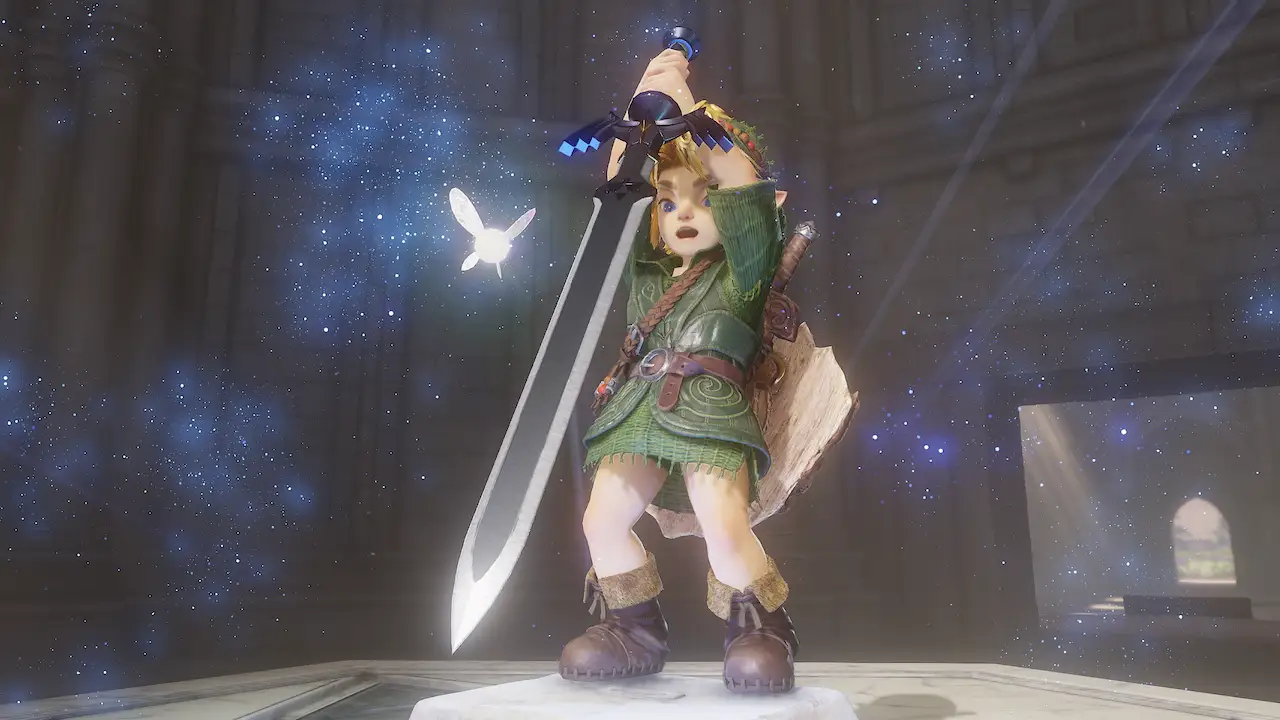
But on top of that, Ocarina was simply so ahead of its time. An early dungeon sees you have to fire an arrow through fire to melt an otherwise blocked path. This is something brand new games still do in 2026 and it feels impressive, but this was from 1998. I had to go and check to see if I wasn’t imagining things, because the design of the dungeons is so impressive, despite barely being touched from those original Nintendo 64 days.
Hyrule may not seem as big as a modern game, perhaps, but the world is alive, and vast in its own way. You’re rewarded for checking every nook and cranny, and while there are less ways to reward the player (a heart container, some Rupees, etc), that doesn’t make it any less fun to explore. It also does that lovely thing for returning players where you almost doubt your memory, because the retouching has been so lovingly executed.
I’m hesitant to talk about the story, despite the age of Ocarina of Time, but suffice to say this hasn’t been touched. Starting out as a young link, you’ll learn how to play pretty quickly, before adventuring off into the world. Even the very first dungeon has some neat touches that show how clever the original design remains.
Much has been made of the fact you can now jump and sprint in the remake. The controls, really, feel more akin to Breath of the Wild than the original, I guess. You can hop up as you climb vines, though there’s no stamina bar at all. Likewise, the menus are streamlined following the same style as the Breath of the Wild and Tears of the Kingdom. Because Ocarina doesn’t have the breadth of weaponry and tools that Link has in those modern games, however, you can fly through the gadgets and gear swiftly. This means in later dungeons you won’t have to hit up the menus to change gear, and be frustrated to be taken out of the action. Hell, even the shoes can be equipped at the touch of the D-Pad now.
Discovering the characters (fully voiced now) feels like a treat for returning players too. Nintendo has done a sublime job with casting and direction, and every character matches the aesthetic. While Darunia is a blast to be around, Ruto makes you smile and laugh, yet Ganondorf is genuinely menacing. The reimagining of the key roles has been done cautiously, yet perfectly.
There is a new feature, as well, in that you can replay boss fights. I’m not entirely sure to what end this is for, as a timer will appear letting you beat your best times. But while it’s a nice feature, I’m not sure it’s a “big” feature, so to speak. I can see people speed-running and making their own challenge by skipping the heart containers when a dungeon is finished, adding longevity their own way.
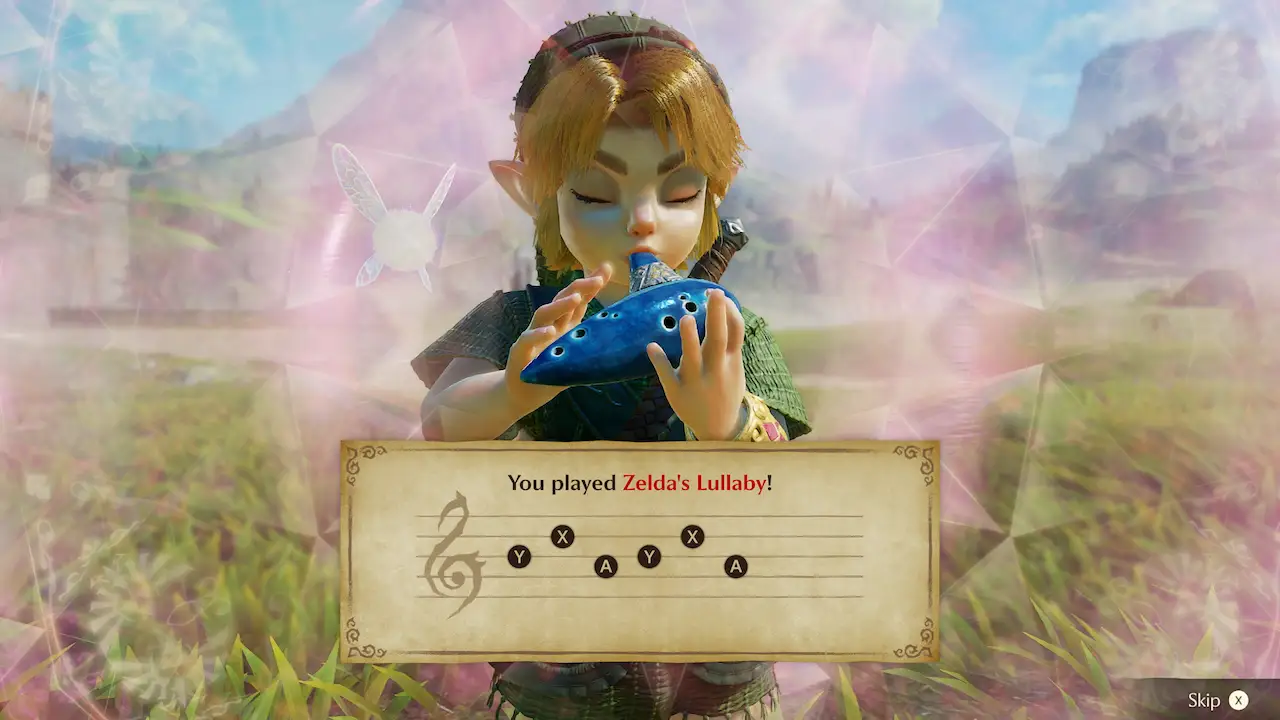
Everything feels faster, though. Even down to playing the titular Ocarina. While you can turn on functionality for the microphone on the Switch 2 (and hum the tune you want to play), and it works really well, you can press the buttons so fast and it all just works.
The combat itself feels snappy and again, ahead of its time. Rather than throw multiple enemies at you, the most you’ll face off against is 2-3. Timing is everything, and dodging, blocking, and knowing when to attack is seriously rewarding. Every tool has a use, and there are multiple ways of doing many things. If you’ve explored and gotten secret things, for example, certain enemies can be a cakewalk.
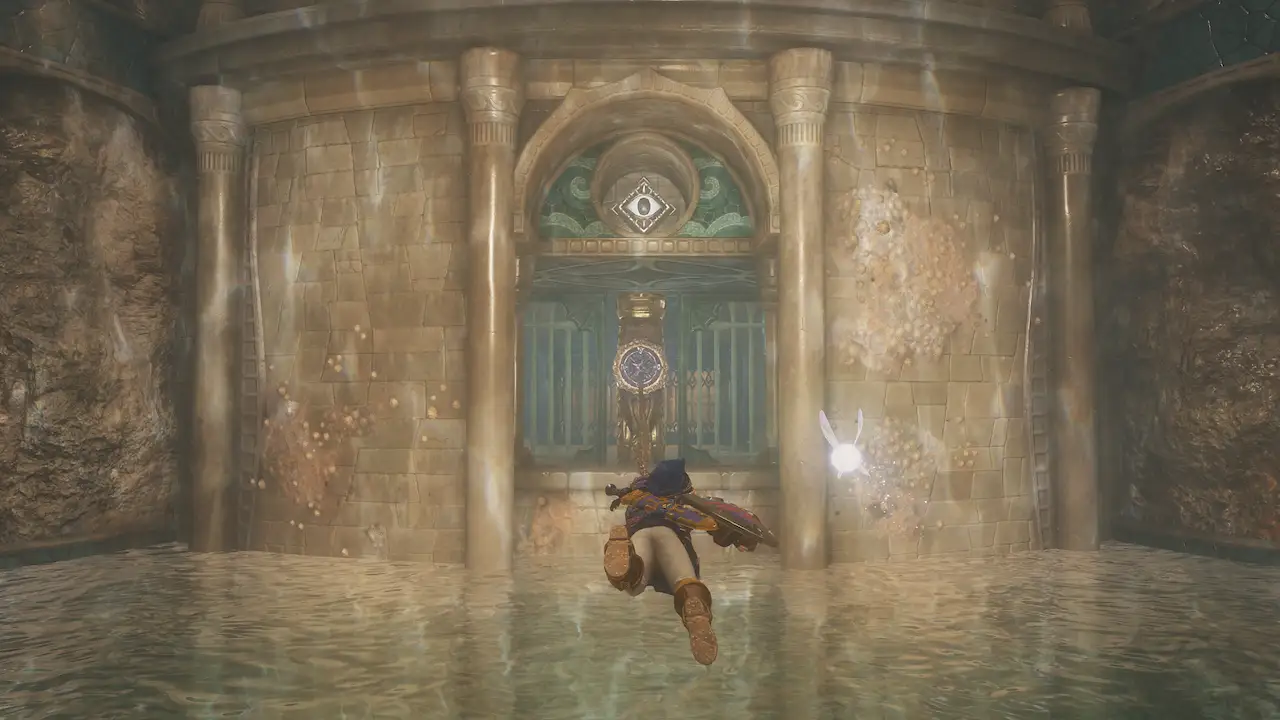
It’s a testament to the quality of this remake that I had to check and find out what people disliked about the Water Temple to begin with. I recall fixes to the 3DS release making it more navigable, but honestly, the Switch 2 remake just nullifies the issues entirely. Visual signposting means as long as you’re paying attention, you can’t get lost.
This is true of the dungeons overall: I cannot stress enough how impressive the design is. It’s been many years since I played Ocarina of Time, and this almost made it feel like a new “modern” game, and the design backs that up. Puzzles are designed just so, as to not frustrate you, instead making you feel clever when you work them out. In the light of day you can see where things have been borrowed from Ocarina across multiple genres and franchises.
The Legend of Zelda: Ocarina of Time was one of the best games of all time, and that is still true with this remake. I went in expecting it to be good, but I didn’t think it’d make me feel emotional in such a strong manner. Everything feels modernised in the best way possible, and the visuals are about as good as I could have dreamed of. A seminal work remains a masterpiece in 2026, and I’ve loved every second of playing it. If you were worried about someone redoing a classic, don’t be: this is one of the best remarks I’ve ever played.
One of the best games of all time is exactly that again in 2026. The remake of The Legend of Zelda: Ocarina of Time is astonishing, and an essential game whether you’re new to the title, or have played it a hundred times. I don’t think in nearly 20 years of writing this I’ve ever said this, but I’ll say it now: this is as close to perfection as it comes.