Control Resonant, like its protagonist Dylan Faden, has a lot to live up to. Younger brother to a hugely popular, massively competent older sister who came more or less out of nowhere in 2019 to deliver an experience that balanced visual spectacle with compelling storytelling and sometimes unsettling sci-fi thrills, Resonant has some serious shoes to fill. Especially in my eyes, as Control was my game of the year by some margin.
In almost every way, Control Resonant pushes the envelope, stepping out from beneath its older sibling’s shadow to spread its wings and soar. It’s not only the best Control game, but it might be Remedy’s best game, too – and that’s a high bar to clear from where I’m standing. Remedy is a developer who has always done things differently, unafraid to take risks with unconventional storytelling and unconventional heroes. Resonant takes this ethos and runs with it, delivering on the promise of its established universe with a bullet.
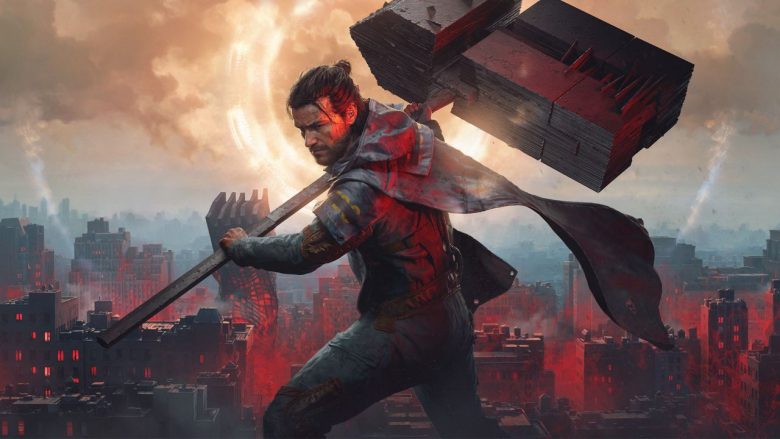
You play as Dylan Faden, younger brother to previous protagonist Jesse Faden. While we aren’t told the details initially, it’s plain from the outset that things went from bad to worse after the events of Control. A lengthy recap will bring you up to speed before you start and so I won’t get too deep into it here, but suffice to say Dylan has been in a coma for seven years after his uncontrolled abilities almost ended the universe. He’s indirectly responsible for hundreds of deaths, and yet he himself is no villain. In fact, all he wants to do is find his now-missing sister, and maybe atone for his actions along the way.
Dylan is a fantastic protagonist. He’s no swaggering hero, has almost no self-confidence despite being aware and somewhat afraid of his own potential. He holds himself awkwardly, his hunched, cowed stance evidence of a life spent being prodded and poked until he lost control just to see how far he could go. Yet he also possesses the same strength of character as his sister, determined to see through the calamity and either put it right or give everything in the attempt.
Despite him being a powerful psychic who spent years unconscious, I found myself relating to elements of his character and cheering him in the moments when he found the courage to stand up for himself and tell his former oppressors to do one. Being able to rip up chunks of floor and throw them at people is always going to stand as a pretty powerful counter-argument. Several gameplay sections deal directly with his relationship with Jesse, too, and having her back in a central if unplayable role is a great tie back to Control and a wonderful way to ground Dylan emotionally. Their bond is beautiful, built on the half-remembered trauma of a broken home and the tragedies that befell their family.
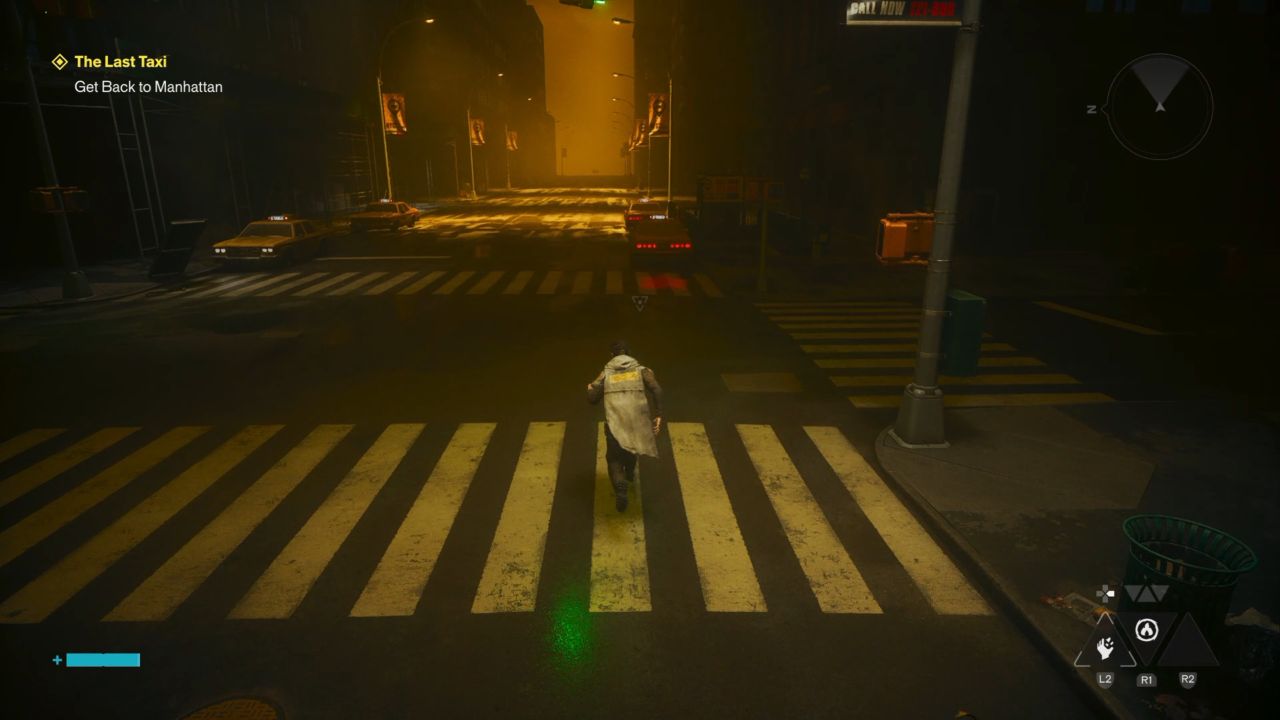
Perhaps the biggest change from the previous game to this one is that where Control took place within the corridors of the Oldest House, the FBC’s pan-dimensional headquarters, Resonant’s story unfolds in a world where the Hiss has escaped confinement and spent seven years cutting Manhattan off from the rest of the US. And look, I too sighed a little when I learned it was yet another open-world superhero game set in Manhattan (like, there are other boroughs of other cities around the world, guys. Why not set one in Soho or Bootle for a change?). Yet the setting of Resonant is kind of immaterial. It’s nice to have that New York imagery: billboards and yellow cabs and hotdog stands, etc, but it’s mostly hidden by the catastrophic result of the containment breach.
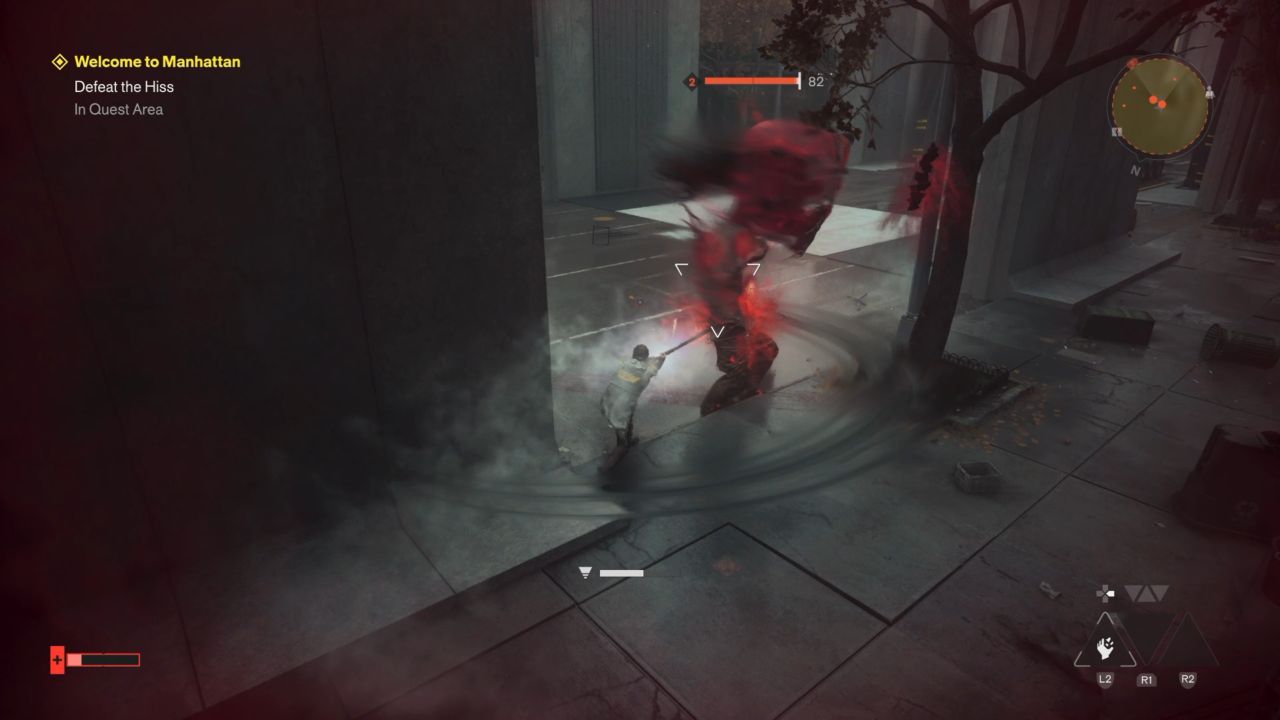
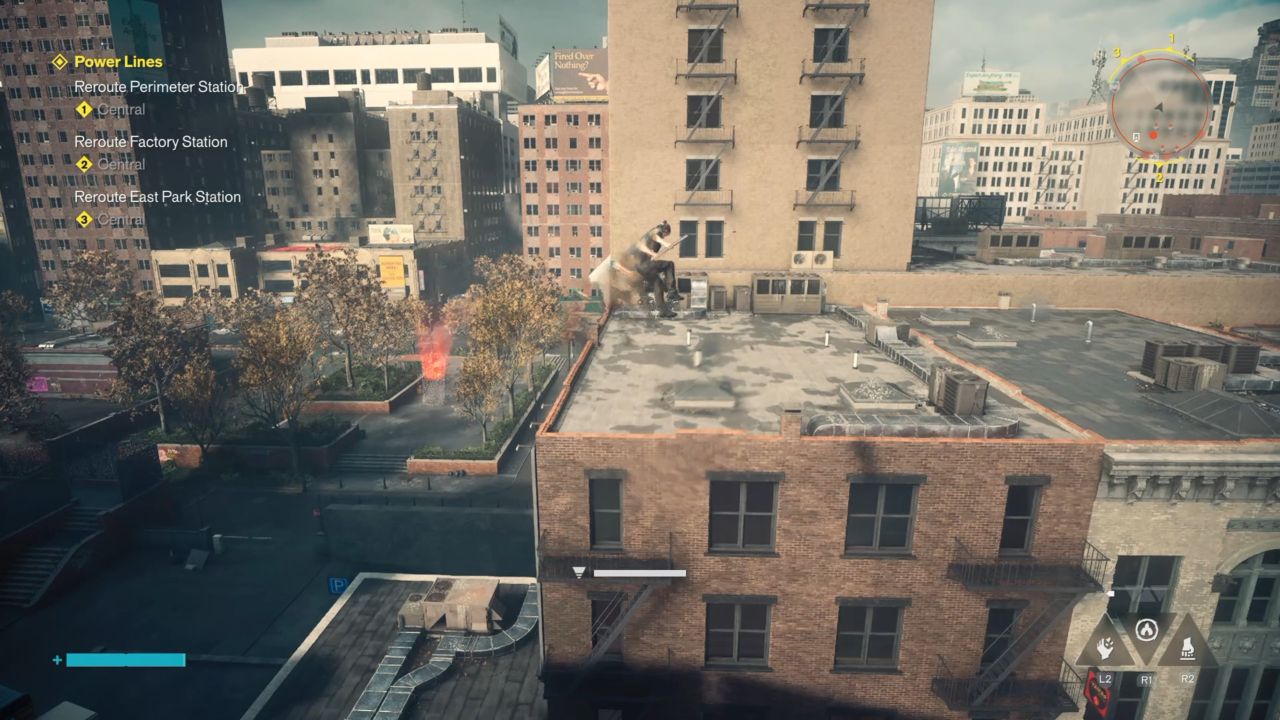
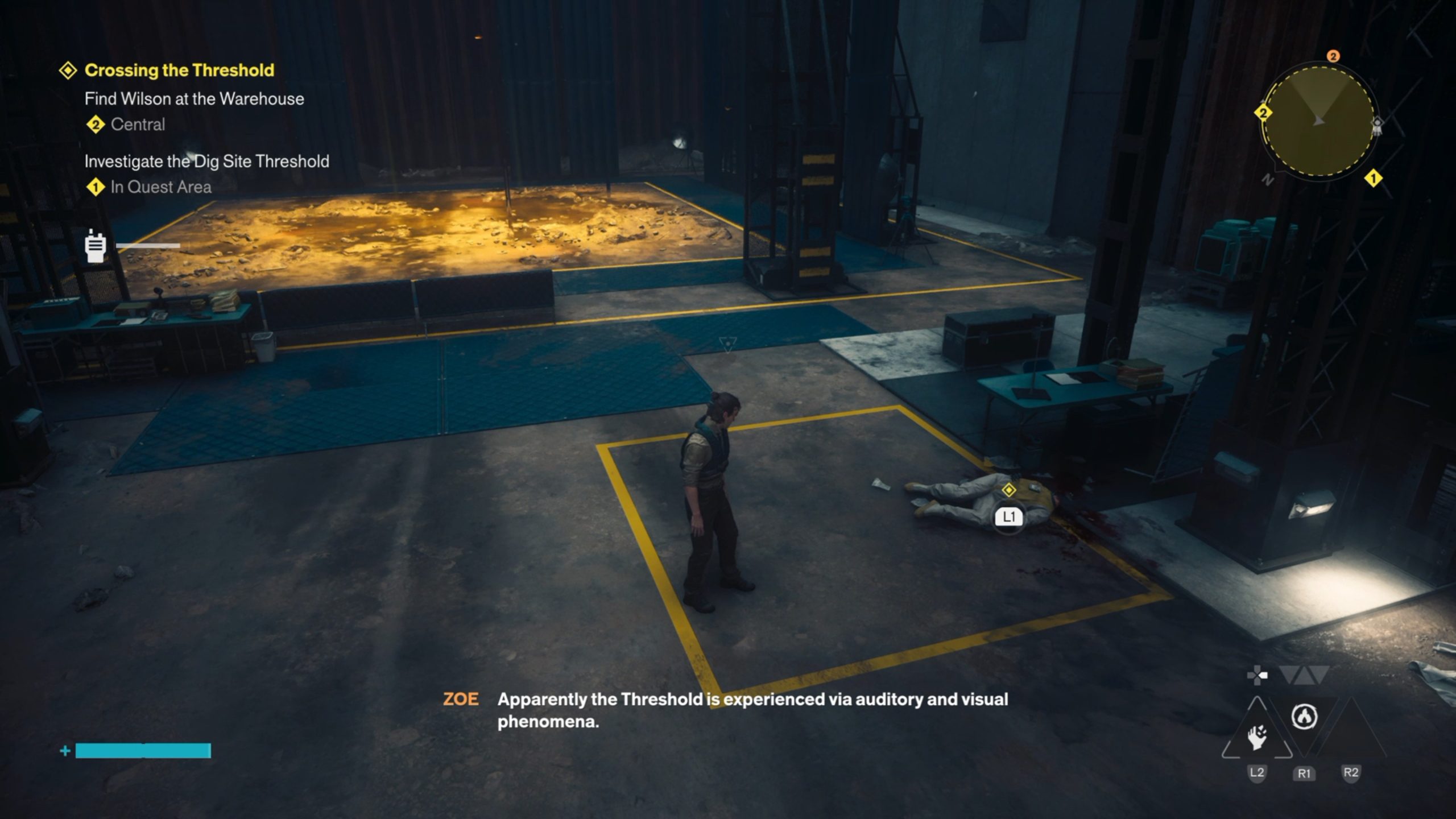
Initially, you enter the world as Dylan massively underpowered. The terrifying potential is there but it’s hamstrung, and the first few hours of Control Resonant are spent unlocking dormant para-utilitarian abilities. Soon, you’re double-jumping, levitating, and boosting your running speed with telekinetic force and the city start to look like the playground it will eventually become. It takes a good half of the game to unlock it all, mind. Much of the first half is spent finding your way around or through FBC checkpoints and other obstacles to unlock eventual shortcuts.
And of course, you’re dealing with the Hiss in its various forms while doing so. The FBC maintain a presence around the city and will react to Dylan in various ways. Some are afraid of his abilities, some simply don’t trust him; others treat him like a latter-day Spider-Man and cheer him on. Often, they’ll move into areas you’ve cleared of anomalies and act like comforting littler reminders that you were here and did some good, as they secure, contain, and protect whatever you’ve temporarily nullified.
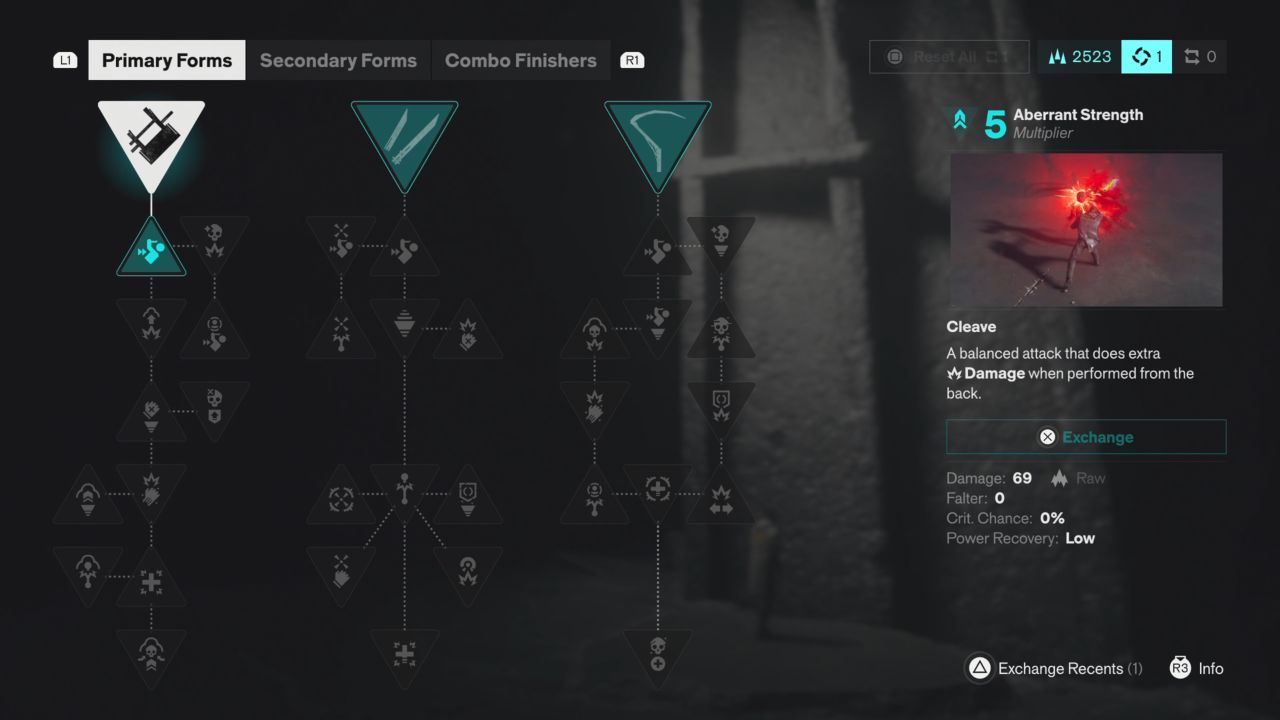
The action is 90% melee focused, with a smattering of ranged abilities that I mostly found fairly functional but a little uninteresting. In the intro Dylan receives his version of the Service Weapon, called the Aberrant. It takes on many forms, but primarily it will resemble dual blades, a massive scythe, or the equivalent of a greatsword. As a secondary form, it can become a long flail, a jabbing spear, or a huge hammer. Each of the primary forms has two combo finisher moves you can unlock and equip, and these are interchangeable across weapon archetypes, so you can use scythe finishers with the dual blades if you like.
Beyond this system, you’ll unlock two Resonant powers with each boss you defeat, of which you’ll eventually be able to equip up to six. These are the game-changers that help dictate your build and playstyle. For example you can equip a kinetic shield, or the aforementioned rubble-launcher, but you can also imbue yourself with fire, summon turrets that fire blobs of poisonous mold at enemies, or even conjure familiars that will fight with you.
Combat is fast, impactful, and genuinely challenging as you juggle enemies with shields, aerial attackers, ranged assailants, and groups of elite enemies that you must kill to prevent more drones from spawning. If you find it tough, a range of accessibility options exist to tweak the difficulty to suit you. The skill tree is filled with nodes that boost your stats or interact directly with the Aberrant forms or your Resonant powers, while each weapon type and finisher has its own skill tree to unlock new buffs and perks. It’s way, way deeper than I expected it to be but still manages to be brutally satisfying to clear out a host of Hiss entities.
Structurally, Resonant is pretty straightforward. Each area has a map system to unlock by activating radio receivers, and several fast-travel doors to find. Icons pepper the map indicating collectible items and random anomalies to investigate. These might be a fight, or a hunt, or a small puzzle such as locating an Altered Object or identifying an anomaly. They reward XP and upgrade materials, but beyond this they’re worth doing just because they’re so often interesting.
The full-fat side-quests on off go even further, seeing Dylan cross dimensions or face horrors that even he can barely understand. The trademark Remedy humour is ever-present, too, as the various NPCs Dylan interacts with make quiet comments about the state of the world and the Bureau. Many of these side-quests are multi-part and will introduce new chapters in each area you explore, creating mini narratives of their own throughout the campaign.
But outside of this comforting structure, Control Resonant feels like Remedy making the game it always wanted to make. The level design is off the chain, bringing a unique mix of weird, wonderful, and mildly disturbing story elements to life with a level of freedom the team has never been able to enjoy before. And the result is fucking joyous.
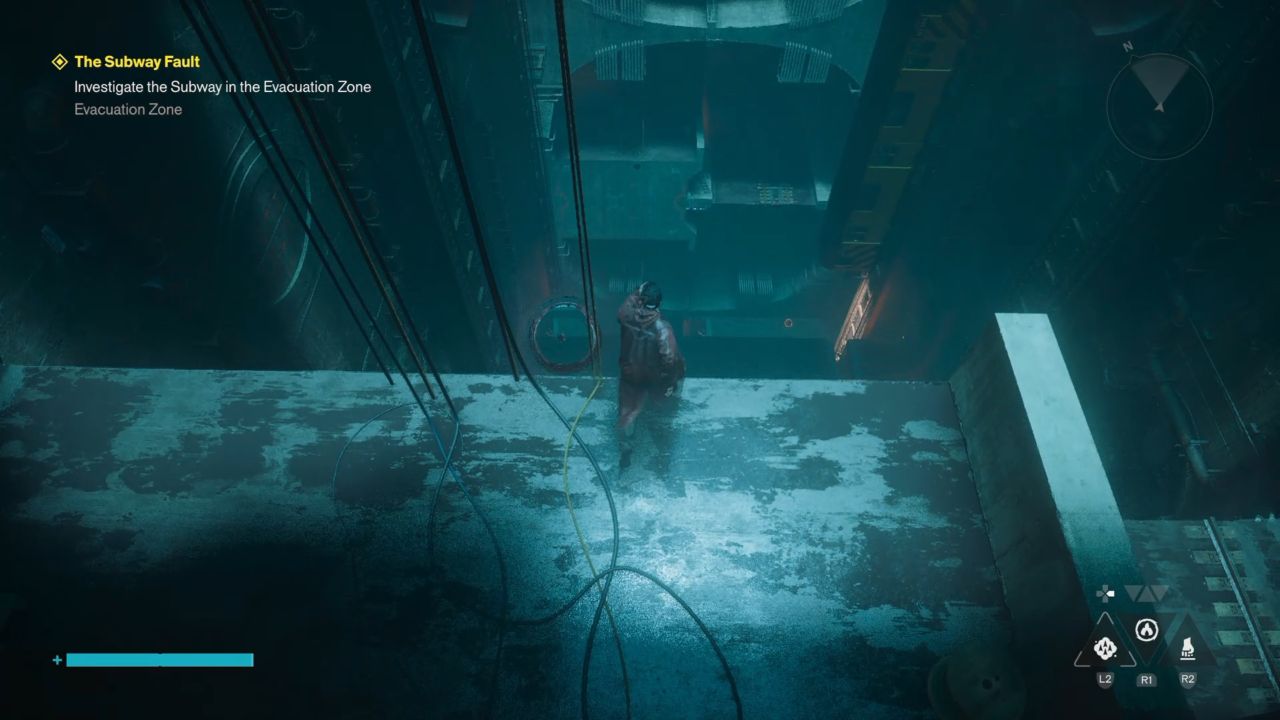
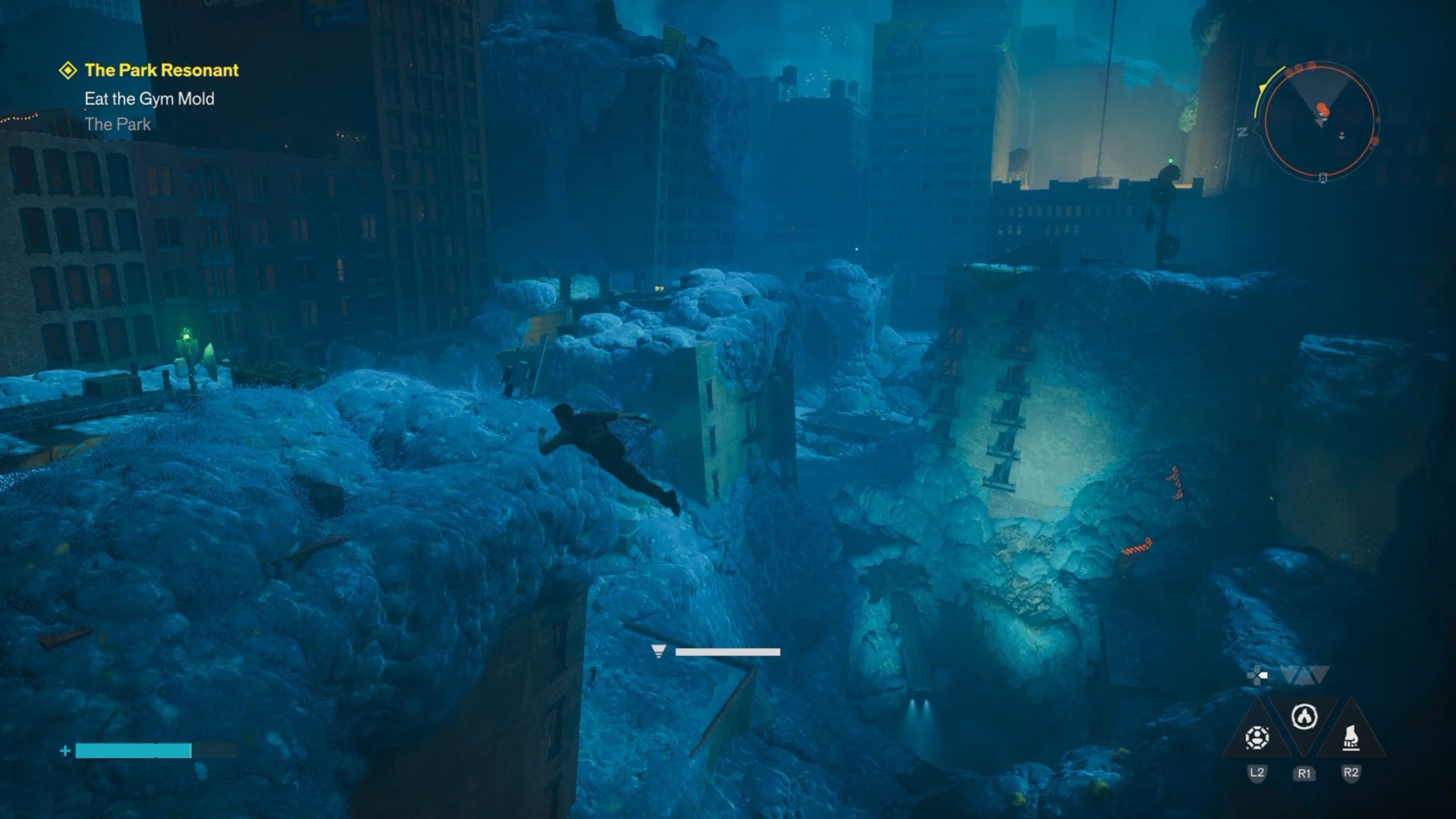
One area in particular sees Dylan navigating an anomalous subway section where trains move past and above him in multiple directions as rail lines are copied and repositioned in gloriously impossible ways. With a newfound power you must zip between them, narrowly missing certain death with every para-natural leap of faith. A later area sees you navigating vast chasms by switching gravity to turn walls and ceilings into floors as you try to unravel the events of a deadly time-loop, culminating in an incredible fight sequence where dozens of copies of Dylan fight alongside you in short-lived temporal echoes.
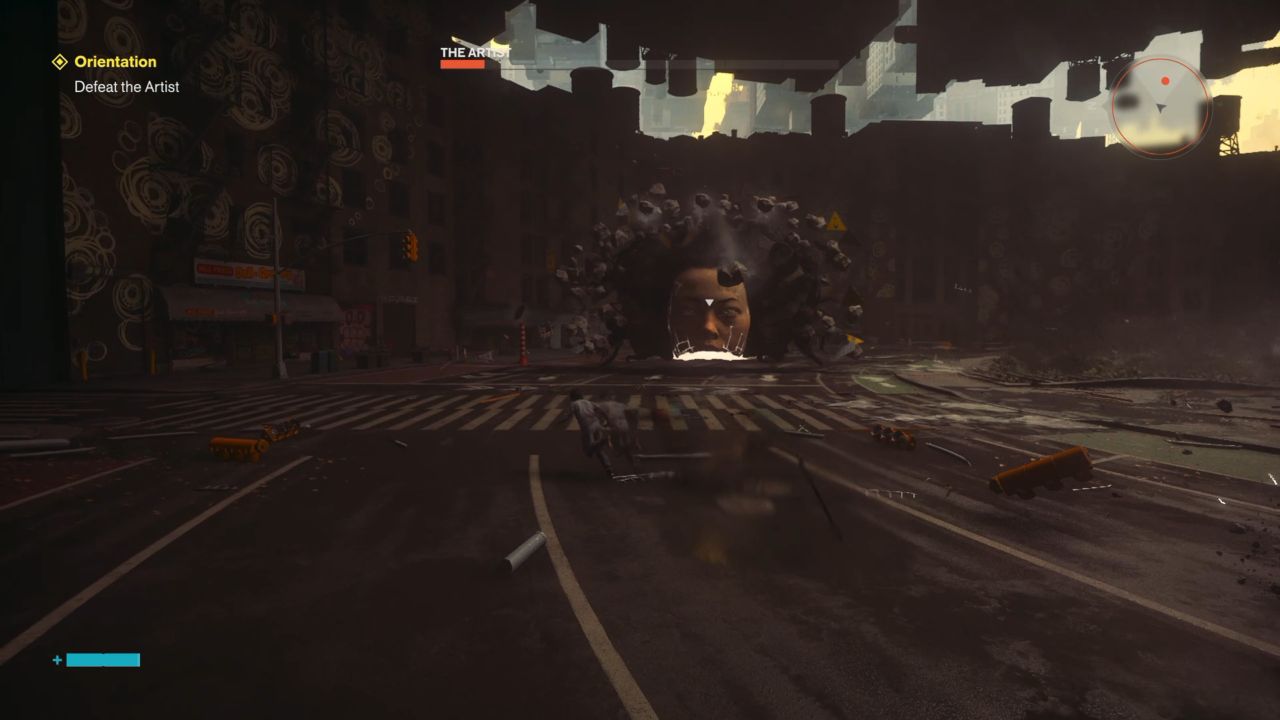
Of all the spectacle on display here, though, the bosses are what surprised and awed me the most. The first Resonant fight, against a huge disembodied head known as The Artist, sets the stage for a series of screen-filling or nerve-shredding encounters with twisted paranatural entities infested by the Hiss. Each one is a thrilling encounter, and each one is thoroughly different to what came before, in terms of environment, mechanics, and challenge. It helps that these encounters are preceded by missions dedicated to the back story of the boss or their situation and, often, you feel a terrible sorrow for them or anger at them for what they allowed themselves to become.
And yet, in amongst all this grandeur and over the top dazzle, Control Resonant never forgets that it is, at the end of the day, a game. Dylan finds and unlocks new outfits and clothing options; collectibles and mini games are dotted throughout each area, including Altered arcade cabinets that thrust you directly into mini challenges. Resonant’s world is one that couldn’t exist in any other medium, and Remedy never forgets that. There are moments that harken directly back to Control’s standout Ashtray Maze as Dylan’s reluctant FBC handler, Zoe, pipes music to him through their comms link to both motivate and ground him, and the series of bespoke music tracks, across multiple genres, had my juices flowing every time.
Control Resonant isn’t without its faults, though. For a start, it assumes knowledge of the universe that the recap doesn’t fully satisfy, and there are terms and phrases here that make little sense out of context. I’d also argue that it needs a better minimap or waypoint indicator at times, especially when levels are operating on multiple gravitational planes. Oh, and by the tenth hour I was over having to teleport to another dimension to level up and change weapons; a menu would have done at this point. But these are minor complaints when the rest of the package is so polished and so compelling.
I have never been so consistently surprised by where a game took me or what it showed me, and Control Resonant is a shining example of what a studio like this can do when given its creative head. Returning characters, events, enemies, and terminology ground this fully in the Control universe, with the expected links to the greater Remedy-verse, of course, but like a butterfly that bears the remnants of its caterpillar markings upon its beautiful wings, Resonant outgrows and outshines its previous form in ways that mesmerise and impress on multiple levels. Astounding.