With different twists on puzzles constantly hitting the video game world, it’s hard to know what the next big thing will be in the problem solving space. Whether it’s Tetris, Threes or Candy Crush, keeping up with what’s keeping people endlessly hooked can be difficult. One such phenomenon I feel like I entirely missed was Suika, the physics fruit game that everyone fell in love with. When I heard about a Roguelike deck building take on it though I couldn’t resist dipping my juicy toe in, and I’m glad I did. Fruitbearer may be a somewhat less wholesome take on Suika, but it’s undeniably a compelling one.
To stand out in a genre full of colourful puzzlers, Fruitbearer is dark and moody by design. You play as the titular Fruitbearer, who once helped the kingdom thrive but then was ultimately forgotten. Now a century later the kingdom is in tatters and the queen in some sort of rot coma, and it’s only you who can save the day. Ultimately the story isn’t a huge part of the game, but it certainly adds to the somewhat spooky setting.

Despite its tone though Fruitbearer is still about combining fruit, with physics playing a huge part in the results. Each turn you’ll drop fruit from your cards into your well, with a target amount of juice to aim for. When two identical fruits touch they combine into a bigger fruit, with blueberries turning into cherries which turn into strawberries, and so on. The bigger the fruit is the more juice it’ll create on fusion, so making massive melons is often the key to victory in later stages.
At first Fruitbearer feels remarkably simple, because you’ll just play fruit that match and combine without any issues. As your well fills though it’s easy to trap fruit lower down below, as your pit of tasty treats slowly gets closer to the fill line. If you go over the line for over five seconds it’s game over, and you’ll have to start a new run from the very start.
To ensure you make enough juice before a failed run you’ll want to take advantage of chains, which multiply juice when done successfully. If you can line up multiple types of fruit so that they combine with one single drop you’ll raise this score multiplier to higher levels, and almost guarantee success. This felt almost impossible to pull off at first, but with practice the scoring dream can become a reality.
Not all stages are as simple as hitting a score target without filling your hole either, some pit you against foes that try to mess up your plans. The gardener who drops spikes that damage fruit is great at interrupting chains, whereas another enemy drops hazards that expand and multiply to push your fruit further apart and use up precious space. Learning how to deal with these extra annoyances is difficult, but with some extra help from relics and other upgrades it’s just about possible.
Relics are other cards you can add to your deck, which can’t be fused for juice but have powerful effects. There are statues that spawn showers of fruit at the start of each turn, golden fists which make all your fruit shiny and valuable, and even a horn which allows you to shake the entire well to try and mix your fruit into more fusions. There are dozens and dozens of relics that can be used in all sorts of exciting ways, and it’s fun to experiment with different juicy builds.

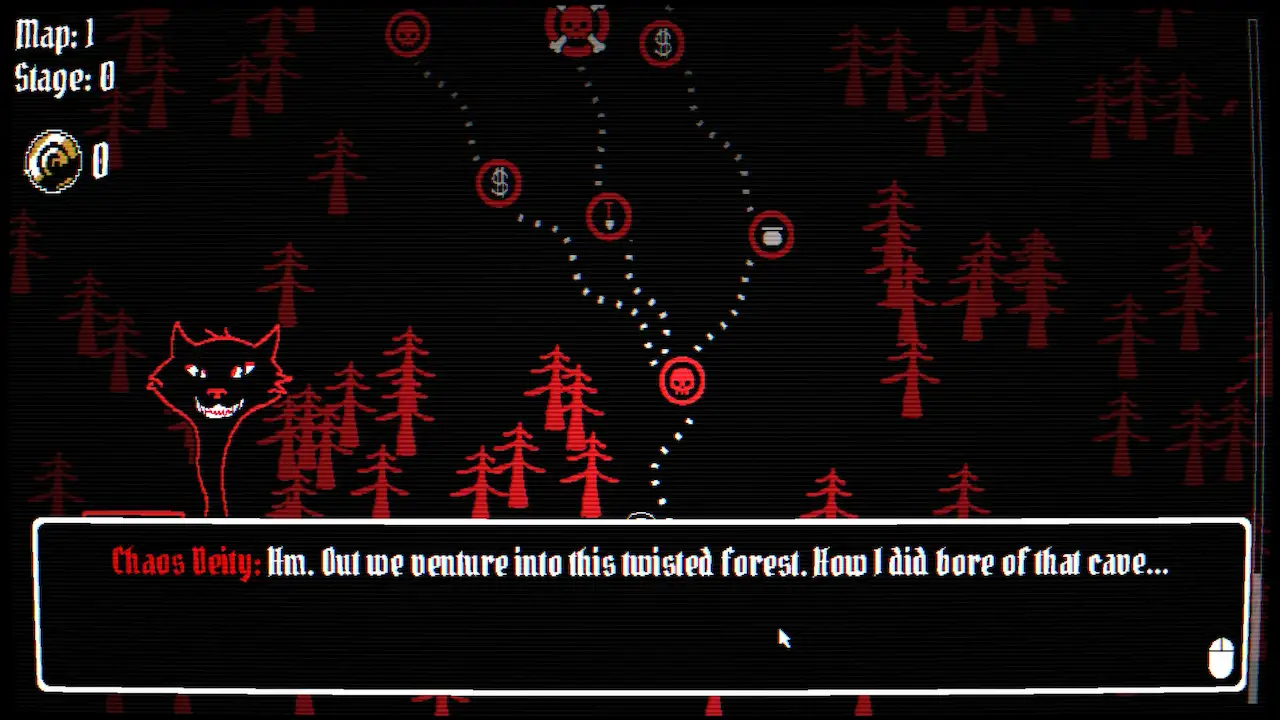
Because Fruitbearer is a Roguelike, there’s a lot of random elements you’ll experience in each run. You can choose your path through the game in that traditional Slay the Spire style, choosing to take on more encounters, visit more shops, or focus on digging your well deeper so you can fit more fruit inside it. There are shops that help you remove less exciting cards from your deck, and a witch who can add different effects like drawing extra cards or gaining more juice from your fruit cards. There’s a lot of depth in this initially simple puzzle game, and after more and more runs I found myself naturally improving as I understood how mechanics worked together.
I had a whole lot of fun with Fruitbearer, but did struggle with some elements. The onboarding is a little bit rough, with certain keywords and mechanics not particularly well explained. There are also some additions I unlocked without realising and ignored for a long time, like the different starting decks I just didn’t use. None of these issues are massive, but they do add up.
Fruitbearer is a clever Roguelike deck builder that uses Suika fruit fun to sweeten up a genre that can be a little bland. The physics fruit fusing is always enjoyable, and the additional hazards you have to deal with provide plenty of challenge. Especially once you learn the language of the game and figure out how to build a successful deck you’ll never want to put Fruitbearer down, and it’s a fantastic first title from a new team that’s well worth squeezing for juicy fun.