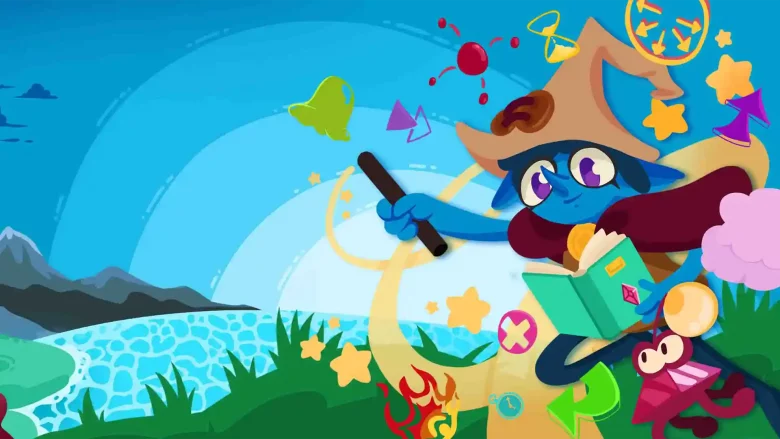
As a younger fella I often dreamt of making my own game. Whenever I imagined this though it was something simple like an old school platformer, because even dreams have limits. There are so many video games where I’m utterly baffled that humans were able to create them, for example a puzzle game. Imagine having a brain that can not only solve puzzles but create them at appropriate difficulty levels and weave them masterfully together. It’s almost upsetting to think about. I consistently pondered this as I played Rhell: Warped Worlds and Troubled Tides, because its open world puzzles and thousands of spell combinations are just baffling.
In the warped world of Rhell, people are going missing. It’s not just a handful of people either, it’s so many people that there are only about ten characters left in the entire game. Our hero Rhell doesn’t know about this though, as he’s been locked in a cell for no real reason. When a magic book falls from the ceiling he starts using spells to make his daring escape, and before long those spells and about thirty more will be the key to saving the kingdom. The story is quirky and endearing, although admittedly not really what you’ll be playing for.
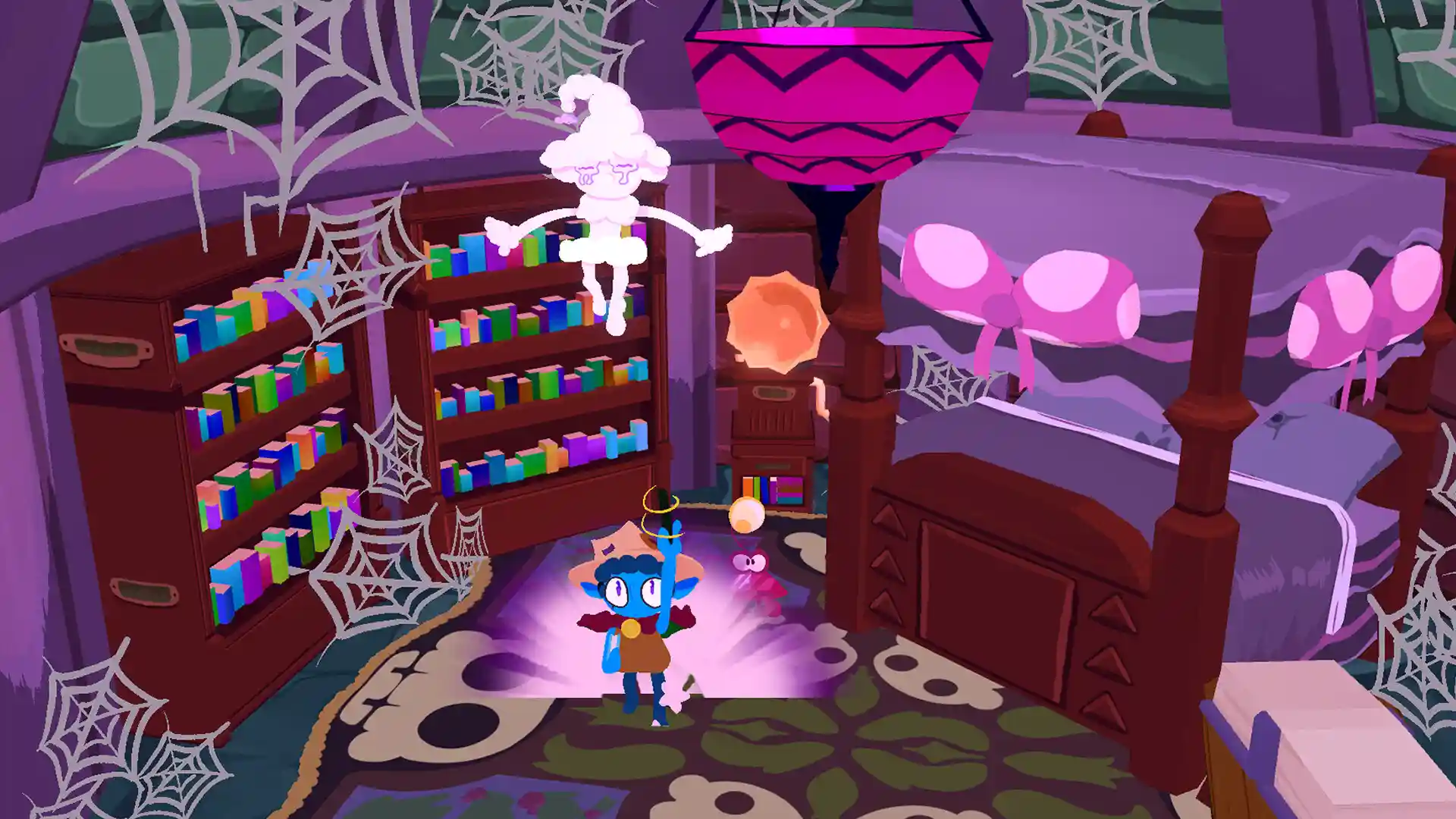
That’s because you’ll be too busy experimenting with spells, and using them to solve problems in dozens of potential ways. You start with a push spell and a spin spell, and you can combine them to create a chain of five actions. This means you can move an object forward and spin it at the same time, or just use multiple pushes to fling it across the room. Spinning the cell door will enable you to walk free, and before you know it you’ll be collecting so many more unique spells.
In the early chunks of the game you’ll still get fairly simple spells, which all have a whole lot of uses. The up spell is a great way to make platforms to jump on, or to combine with a direction for maximum flinging. For a sillier solution to problems you can turn objects into jelly, and bounce around pools of lava with glee. Even these simple spells have serious clever utility too, like using a bouncing jelly block to alternate hitting switches. This is really just the tip of the iceberg though (which coincidentally is another thing you can make with a spell) and the best somewhat more complex magic happens a little deeper into the game.
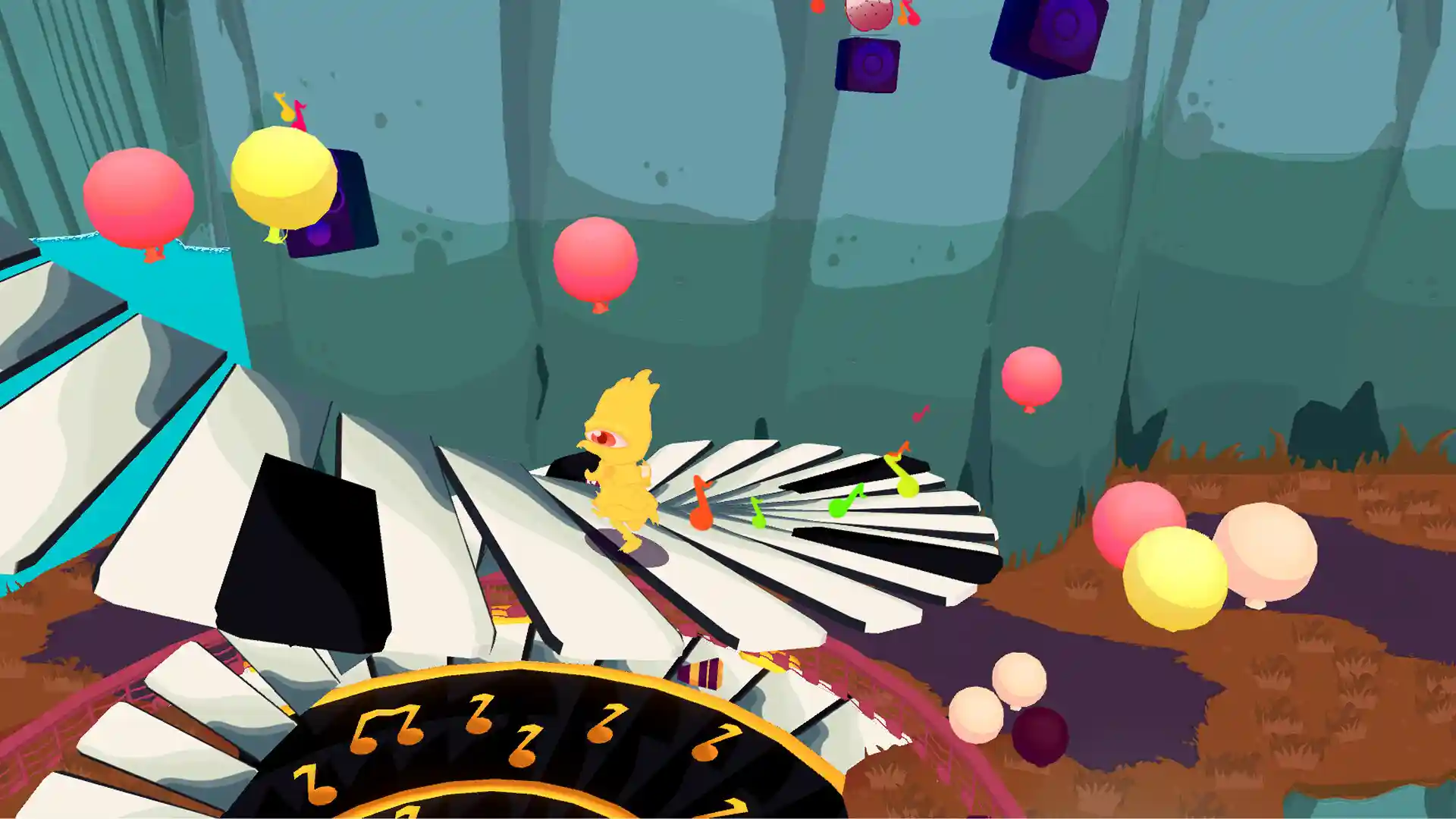
I really knew Rhell: Warped Worlds and Troubled Tides was special when I got the spell to create a little scarecrow. This scarecrow is more than just a straw figure though, it can cast any spell repeatedly that you combine with it. This means you can create a scarecrow that casts a flinging spell to launch yourself across any gap you come across, or to magnetise objects together to create a bit of chaos. My very favourite way to use this though was to create scarecrows that made scarecrows that made scarecrows, which eventually creates a little staircase of loyal subjects for you to climb. You’ll likely come up with even more cool ways to use this power too, with your lovely creative noggin.
As you progress deeper into the game and fill your spell book further the options only continue to get more wild. You can use the delay spell to enable effects to activate separately, or the sentry spell to summon a casting turret that only fires when something moves in front of it. A personal favourite spell of mine is the life spell, which you can use to bring objects to life. There’s not much cooler than riding around on a walking rock, and it’s useful too. When you realise that every single spell can be combined the possibilities truly feel endless, and I spent hours just playing around to discover combos I could use to solve problems later.
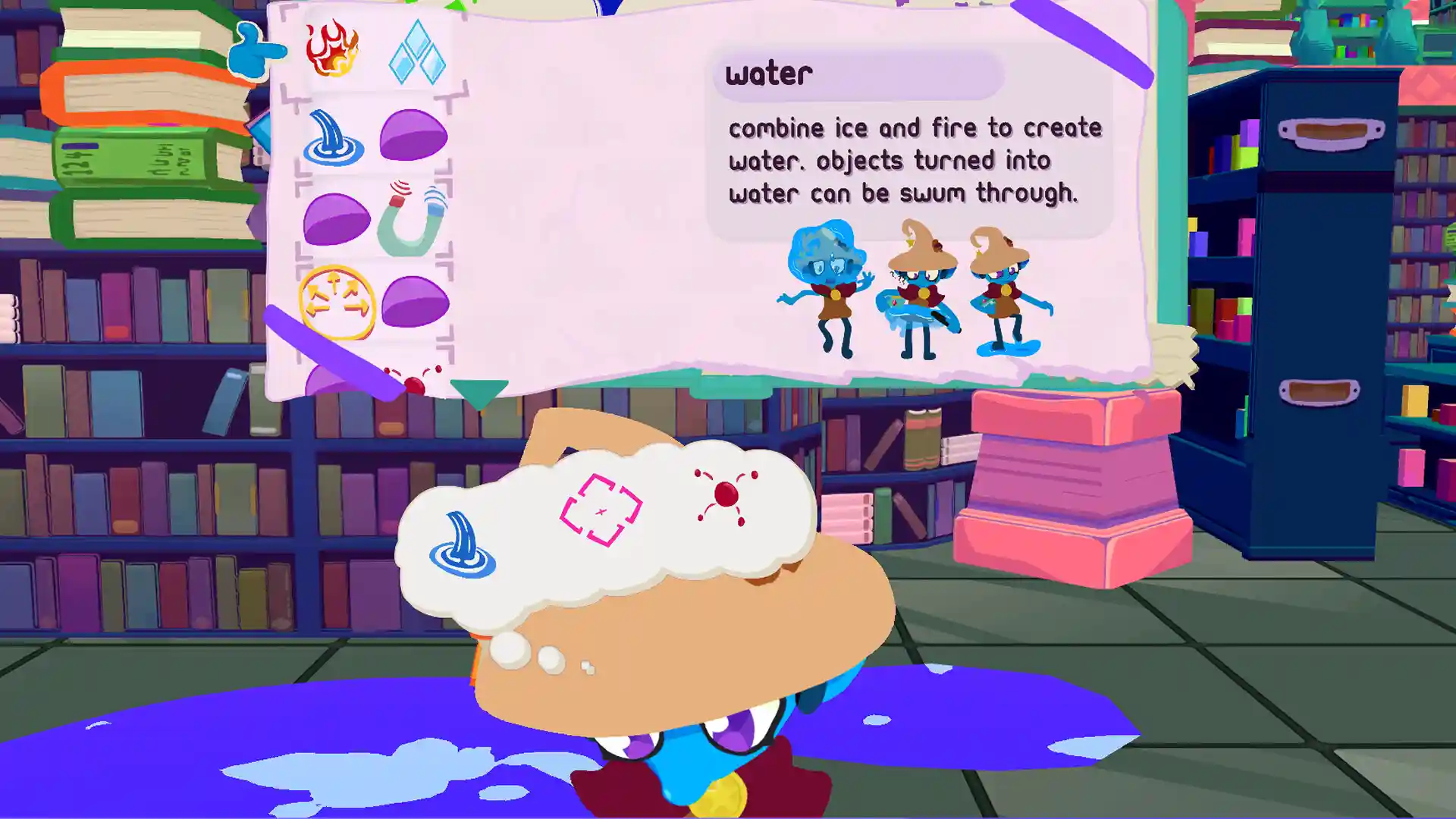
Much like something like The Legend of Zelda: Tears of the Kingdom, every puzzle in your path can be overcome in a vast number of ways. Early on you’ll likely just solve problems the way the game intends, but before long you’ll find daft ways to cheat the system. Despite the game clearly being built around this it always feels like you’re pulling the wool over the developers eyes, and it feels great every single time.
There’s way more to Rhell: Warped Worlds and Troubled Tides than just puzzles too. Exploration is key as you’re basically just let loose in this massive world. Hidden nooks and hard to reach entrances could contain new spells, currency or keys, and each screen thankfully lists how many bits and bobs are left to find which makes clean-up duty a breeze. There’s even the option to fast travel to screens you’ve already been to, allowing you to focus on playing around with spells instead of learning the map layout.
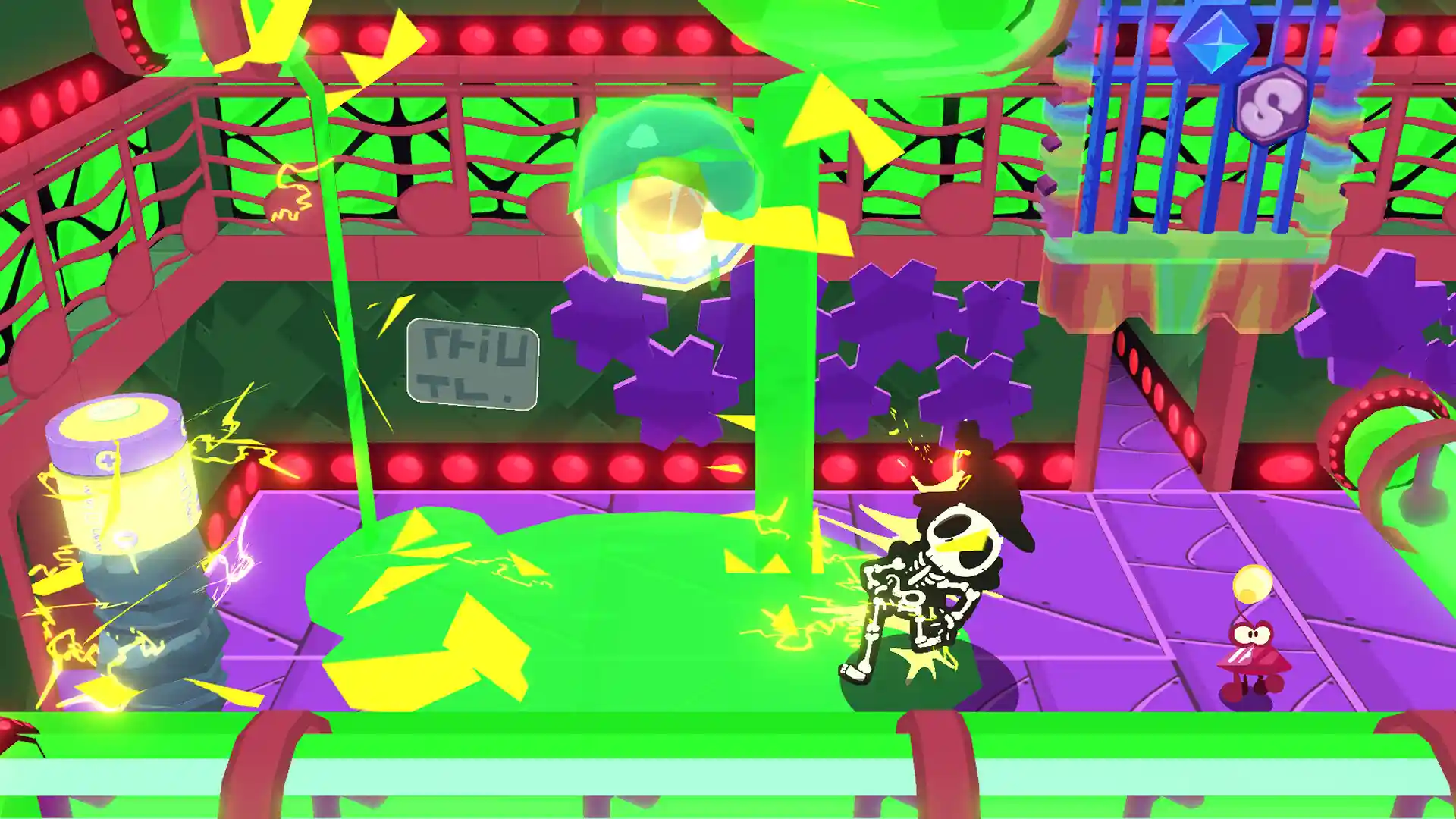
There’s so much to love about this wildly creative and clever puzzler, but it does have a couple of things that I didn’t love. One of these is the fact that it’s in a 4:3 resolution by default, which just feels like an odd design choice nowadays. You can remove the borders if you want, but the 4:3 is a design choice, thus changing it makes a few elements a bit squiffy. The other tiny but frustrating issue is when you get bumped by an object, which sends you rolling onto other screens. I thought this was amusing the first few times, but when a perfectly set-up chain of summoned objects all get wiped because of a stray rock the laughter stops.
Rhell: Warped Worlds and Troubled Tides is a ridiculously clever puzzle game, with so much freedom to experiment thanks to countless solutions to each problem. It’s fantastic at making you feel like both a mad genius and absolute idiot in all the right ways, and it even has a whole load of quality of life features that ensure you can stay focused on the magical star of the show. If you’re looking for a unique experience they don’t come much more out there than Rhell, and even now after seeing credits I want to go back to my spellbook.