It’s hard to overstate how much I enjoy something that makes me laugh. I don’t really need to tell you how the world is on fire constantly, and things never seem to be getting better. You know all of this, but that’s why Tomodachi Life: Living the Dream came along at the right time for me.
Games make me happy, you see. Not always, but they offer escapism I’ve never quite found in films. Perhaps it’s the interactivity on offer, or perhaps it’s because I can do them without moving. Regardless, while there are all manner of games that offer deep insight into the psychology of people, or tell stories that are as harrowing as they are realistically rendered in the latest 8k visuals, Tomodachi Life: Living the Dream is not that.

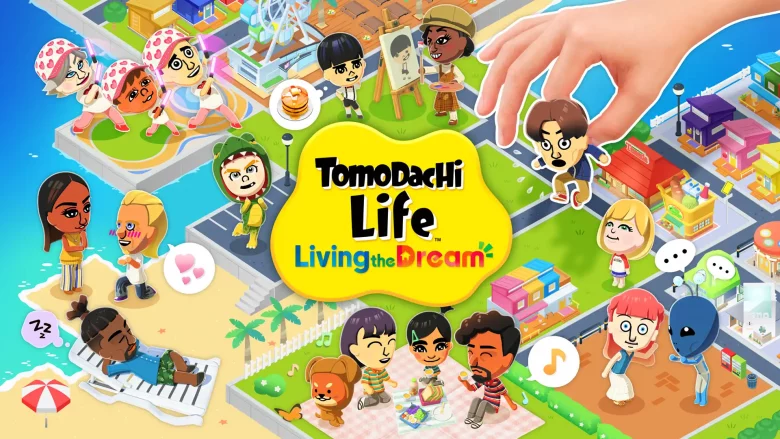
Instead, it’s a god-game/Sims-alike, which lets you create whoever (whatever, sometimes) you like, give them a madcap voice and personality, and let them loose on your island to fall in love with Homer Simpson, who you downloaded using a demo of Miiverse, didn’t customise for Tomodachi Life: Living the Dream, and thus have left with no mouth. In fact, you’ve been asked by your family so many times “why doesn’t Homer have a mouth?” that you’re now deliberately leaving him mouthless out of spite.
My Tomodachi Life: Living the Dream island started out as a Loot Level Chill island. I made my friends here, but then suddenly Lyle (a known homosexual) started to try and date my wife, and I realised I wasn’t quite as into simulating real life as I initially thought. So then Homer, Princess Rosalina, Luigi, and Aerith from Final Fantasy VII joined, and somehow that made things even weirder.
It’s not really real life either. As a gentleman of ample carriage, I have many favourite foods. But for some reason discovering my favourite food for the first time was sullied slightly, because it was celery, a thing I actively dislike. The insult of me disliking donuts was almost too much to bear, even if it didn’t happen and is merely a comedic tale for this review. But I think you get the concept of what is going on here.

Mechanically you’ll start out slow, and creating Miis is simple. It’s hilariously funny, though. I like silly humour, so you’ll forgive me (I hope) for playing with the voices for so long. I’d be amazed if even the most humourless of people didn’t get something from the voices, faces, and animations of Tomodachi Life: Living the Dream; truly.
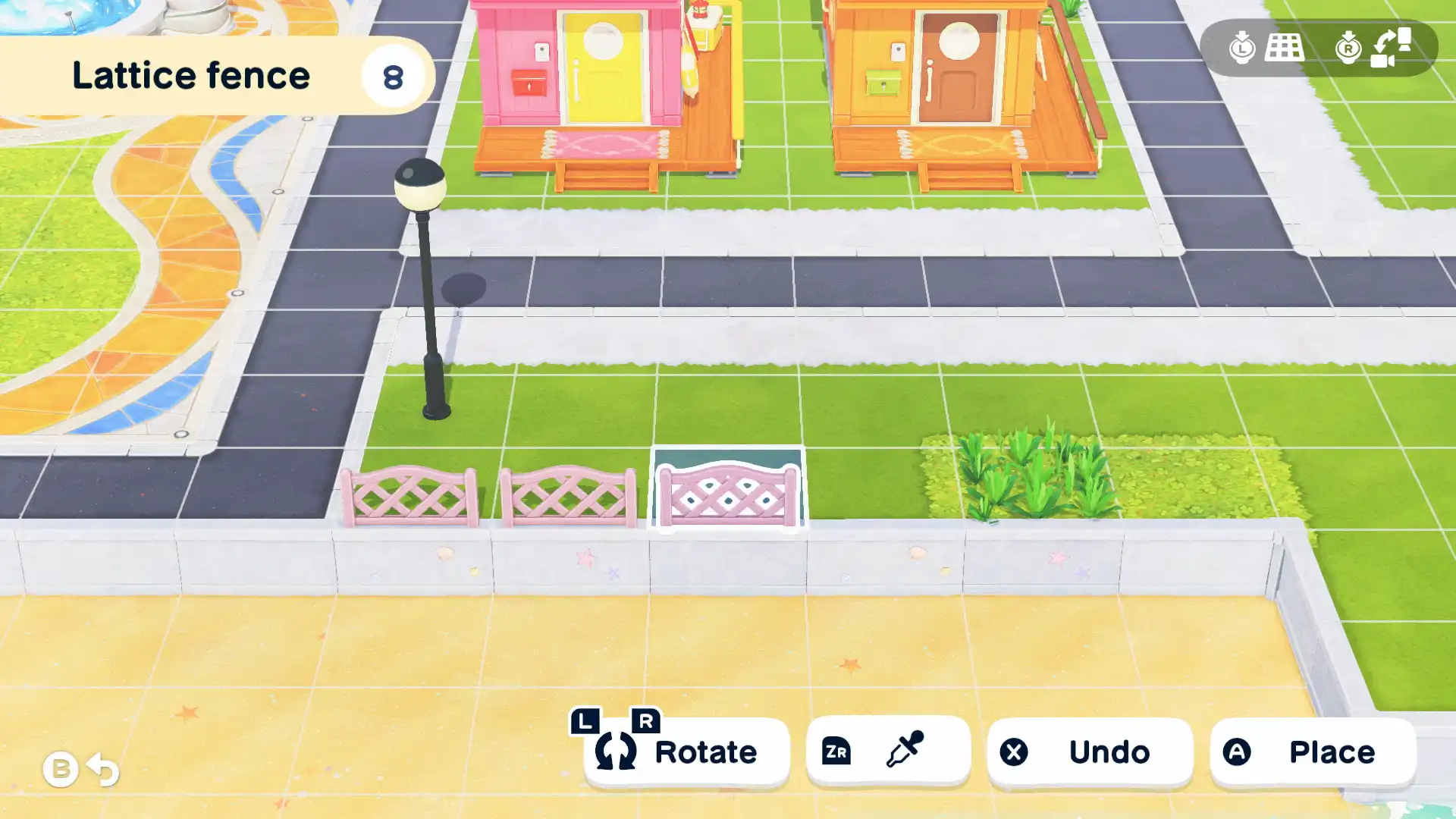
As you play you’ll gain money to spend on food to fill up your Miis, buy furniture for the island, and of course, clothing. You can even entirely dress up Mii’s houses with unique styles, which is another fun way of matching personalities to on-island life. In truth, it feels a little thin at times. Once you’ve seen your Miis interact talking about “a movie” three times, the humour comes down to how much you’re willing to invest, simply because there’s just not as much to unlock down the line as you might initially expect.
Tomodachi Life: Living the Dream is all about creativity, in that respect. You can unlock the option to customise things via the touch screen or by drawing with the analog sticks. A cake might be called “AnimaLuv” cake because you couldn’t think of a better name and it’s got hearts and dogs and cats on it. Your long-time friend realised as Mii may walk around with a penis on his tee-shirt because you lack creativity and a cock and balls is the best you can do in the moment. It’s down to you to create the fun.
So much of that created fun is in the personalities you can inject into your Miis. You can give them cute walks, quirky winks, and make them say anything you want. Yes, anything you want. Nintendo has completely removed any filters from this game. You can make someone the most sweary, yet fully-voiced person in the world, but this all comes at a cost: there is no sharing. While you can save screenshots to your console, without external capture hardware they’re stuck there.
Tomodachi Life: Living the Dream is an entirely offline experience, but I do understand why. As a brand Nintendo isn’t going to allow the kind of unhinged internet of 2026 to use its game online as a meme machine, even though that sort of stuff would essentially sell the product more than a million reviews ever could. Having to keep the maniacal nonsense for yourself is a shame, but as a trade off, I’m just about okay with it, and given how inclusive Living the Dream is, I’ll forgive this oversight for now.

Whether you’re sending your Miis on holiday for daft pictures, or dressing them in cow costumes, or simply watching them dream about one another, it’s rare to not log in and find something fun. Seeing friends and celebs as new anchors, market vendors, or just suddenly in a robot costume is fun. Yes, there is too much repetition, but having my friends swear at the sea for no reason other than that’s what the game has decided they’re doing right now, is a lovely time.
It requires a heavy investment, and daily checking in to get the most from Tomodachi Life: Living the Dream. It’s hardly the most mechanically dense experience, and I’m not sure it nails the balance of being a game versus being a tool at every step. But it is fun, and for the laughs it’s given me, I’d gladly part with the cash. Fingers crossed there are updates that extend the life of this one, because it’d be a real shame if it came along and burned brightly but for a short amount of time. Games this funny are a rare commodity, and I’m hugely glad it exists even if it’s the definition of a game that’s “not for everyone”.