In many ways Diablo 4: Lord of Hatred brings the story full circle, delivering a satisfying, pleasingly thrilling conclusion to the primary narrative of Diablo 4. It’s unlikely we’ll see anymore expansions in the future, and continuing seasons will likely set out the stall for the inevitable fifth instalment.
Picking up shortly after the events of Vessel of Hatred, Lord of Hatred wastes little time in establishing stakes and pulling you back into the story. I have to admit, it does feel a little weird thanks to Blizzard’s seasonal model.
The character I played at vanilla release is long, long gone, as is the character I played Vessel of Hatred as. Because we make new characters with each season, coming into this narrative as a brand new level 1 Warlock was jarring when Lorath and crew spoke to my character as if she were the same brick shithouse Barbarian or fierce Spiritborn I completed the last two stories with, or even any of the random avatars I’ve built and burned season on season. It’s a shame, because Diablo 4: Lord of Hatred has a more personal, more intimate and more emotionally charged storyline than we’ve ever had in the franchise to date.
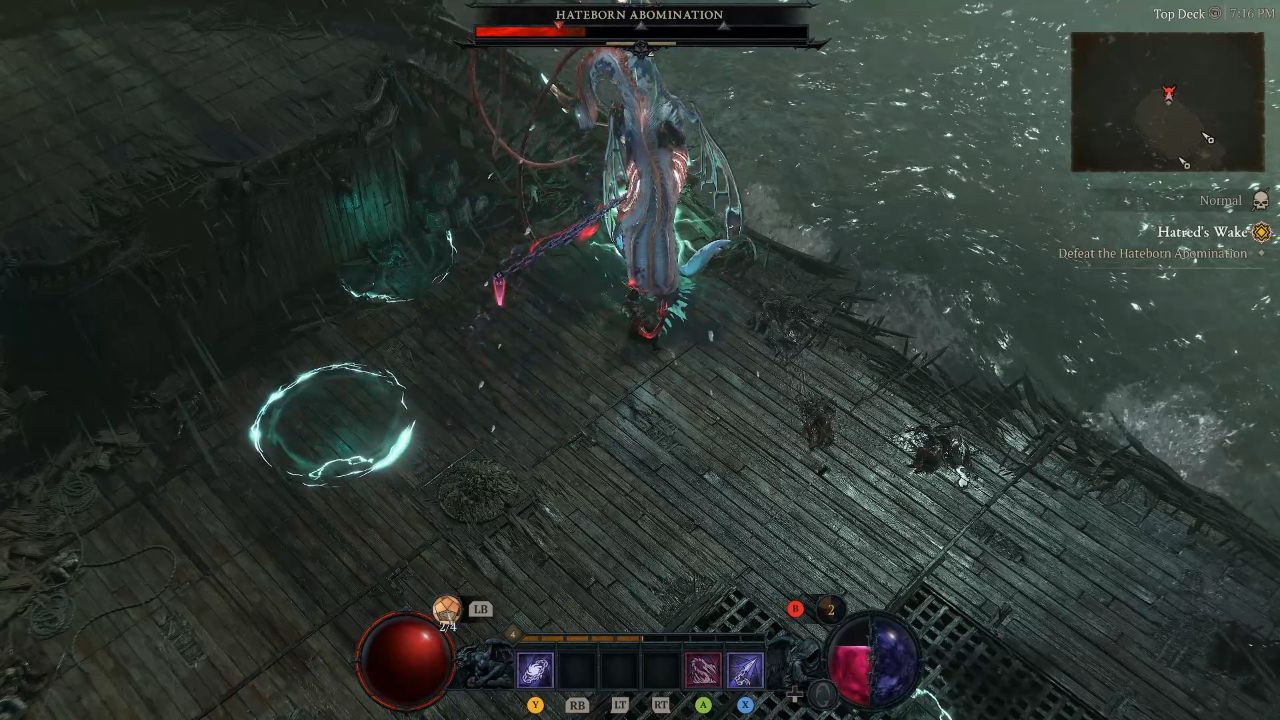
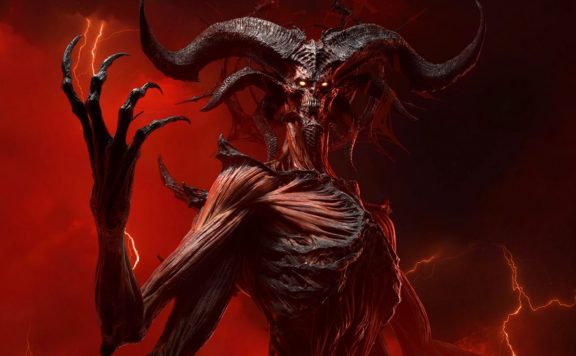
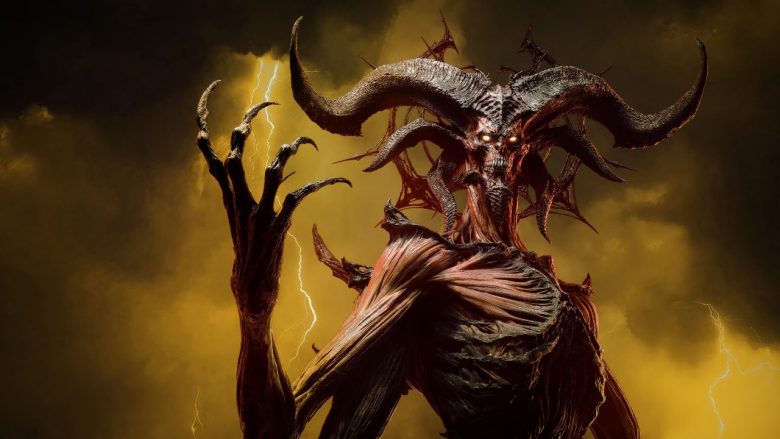
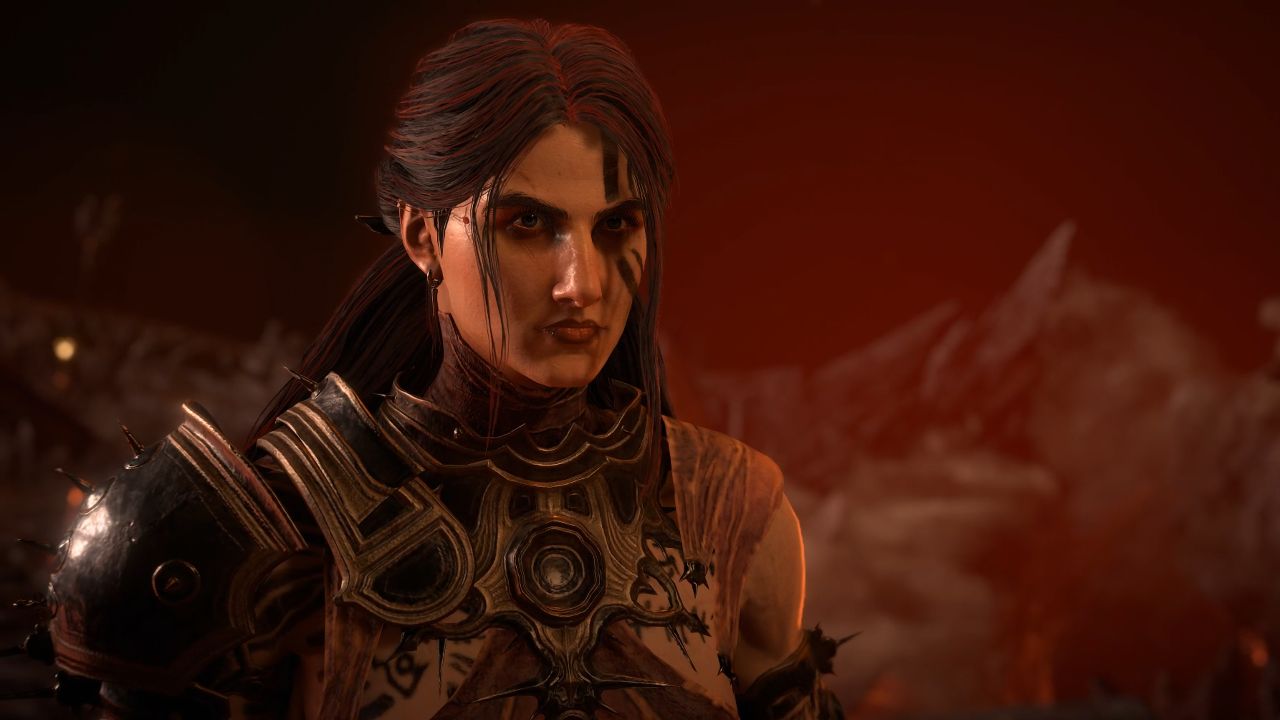
Without veering into spoiler territory though, it’s enough to know that Mephisto is being a dick again having possessed the holy vessel of Akarat in the last expansion. He’s now made his way to Skovos, an island based on rural Greece (for a bit) and home to the Amazons, a matriarchal race of warrior women whose people have spent time as playable classes before, back in the first two Diablo games.
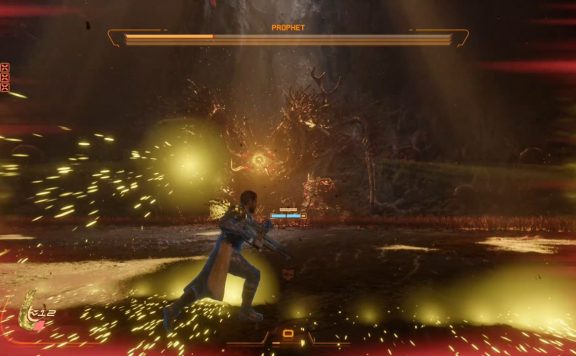
The Amazon Queen is in danger of being corrupted and her people subjugated, so Lorath leads the Wanderer to Skovos intent on stopping Mephisto’s plans. It’s no secret at this point that Lilith is back from her exile in Hell, complicating matters due to her own issues with daddy dearest. But what follows is a pretty tight 6-8 hour campaign across the whole of Skovos and various otherworldly realms, facing a handful of bosses that really push the combat to new heights. The final boss fight in particular is superb, and possibly the best in the entire franchise.
It’s a good thing, too, since besides the campaign and the two new classes, Lord of Hatred doesn’t add a lot to the overall package. Obviously, the classes are great. The Paladin launched at Christmas for those who preordered, so it doesn’t feel like a new class to me, but the Warlock is excellent fun, combining heavy-hitting Abyss and Hellfire attacks with demonic summons that add their own flavour to the atmosphere. The unique class skill for the warlock gives them four greater demons to summon and enthral, and besides the firehound you can ride, my favourite was the horned Vellach, whose cries of “Haven’t I given you enough?” when you command him to attack were music to my demon-slaying ears.
The Paladin, conversely, uses holy magic to conjure auras and buff themselves and their party. The contrast between the two not only feels thematic, but makes it absolutely worth rolling one of each and experimenting with their various builds. As with the other classes, each has three to four viable specialist build paths with endless opportunities to mix and match skills in between. As usual, both feel a little overtuned as they’re new, but they’re more examples of Blizzard doing what it still does best, making each class feel unique and cinematic.
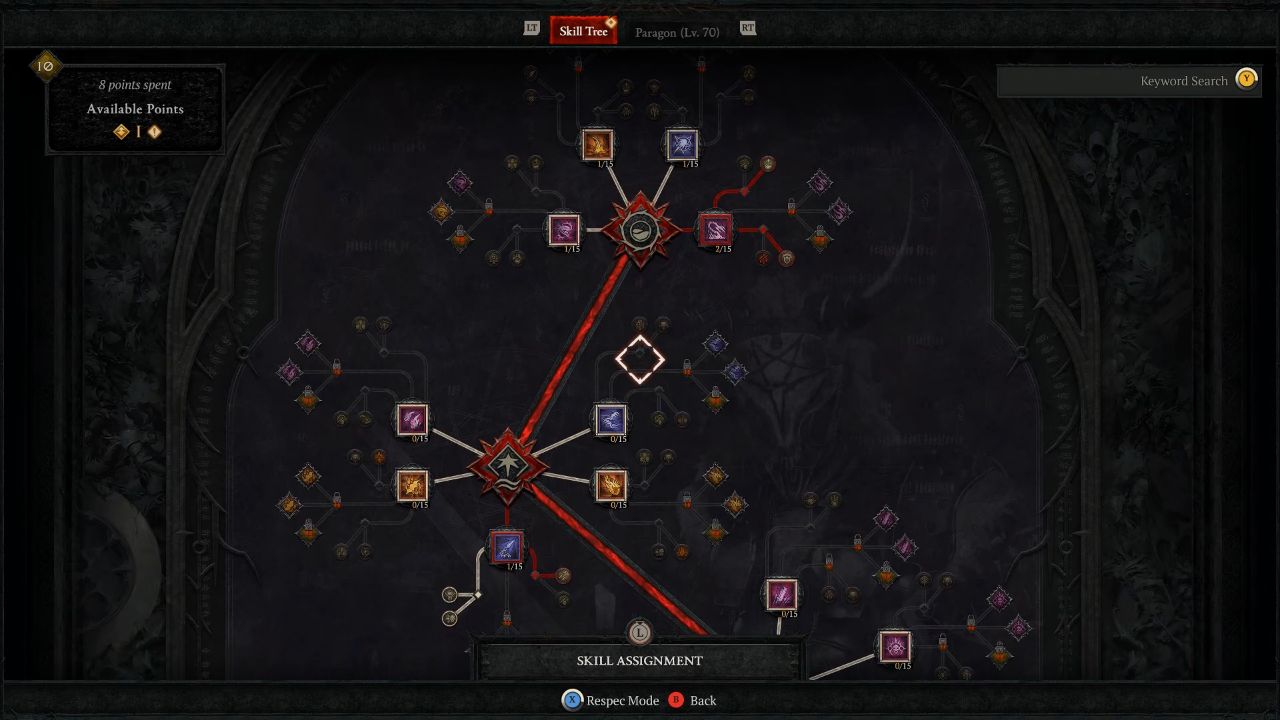
Less exciting are the changes to the Skill Trees. It’s early days yet and I haven’t experimented with the existing classes much to see what difference it all makes, but the Skill Trees have been massively slim-lined, to the point that a standard skill now has 15 potential levels because if they didn’t you’d have nothing to do with almost half of your unlockable skill points. Many of the passives have been removed completely, and folded into modifiers for each skill, while most hotbar skills have three possible evolutions, at least one of which will change or add keywords.
Likewise, unique items now roll with random stats and affixes, which makes them feel less crucial to a build. This is intended, of course, as you can still feed them into the new (returning) Horadric Cube, enchant them, or harden them at the Blacksmith to adjust their properties. However, even playing on Torment 2 the drop rate felt drastically nerfed, with very few Legendary or Unique items dropping , even from boss battles. Torment has been extended all the way up to twelve levels though, so this will likely change at higher tiers.
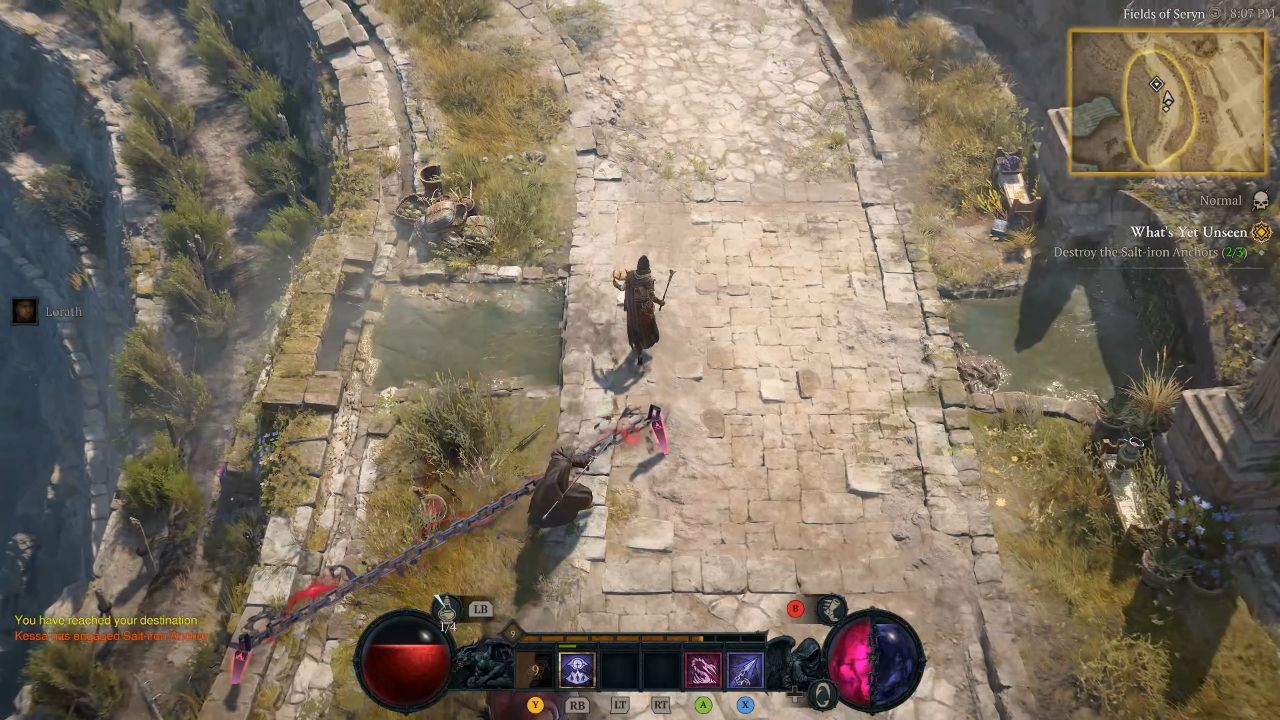
No one has spent long enough with the new skills and gear system to know whether its good or bad yet, though it seems to be a little of both. It combines with the new Talisman item, which lets you slot up to 6 wards that confer unique bonuses and stat boosts. Green ones drop, too, and can be socketed as sets to further enhance builds. It feels fresh enough to warrant exploration, but not so new that it feels confusing.
There hasn’t been much added to the endgame grind, though. Echoing Hatred offers a pinnacle-level challenge for the diehard players, but it’s the new War Plans system that feels like Blizzard’s attempt to hook people into the endless grind. Now you can plot a course through multiple activities including the Pit, Nightmare Dungeons, and Boss Lairs, earning more rewards the further you go along the path you planned. It offers more instant action and immediate variety, without the downside of a randomised playlist. With no new endgame activities to speak of, though, it’s still the same old challenges in a different order.
Finally, despite the allure of the story, Skovos simply doesn’t feel all that exciting to explore. Nahantu didn’t either, really, and it’s for the same reason: the existing world of Sanctuary is already so big and diverse that a new area slots right in and doesn’t really stand out. The opening area of Skovos is the best but arguably too small, as it resembles the sun-kissed foothills of ancient Greece as seen in something like Titan Quest 2. After that, we’re kind of back to volcanoes and charred fields of slaughter.
As the conclusion to Diablo 4’s narrative, Lord of Hatred excels. It tells a tighter, more personal story than Vessel of Hatred, and features an incredibly satisfying and powerful final act that doesn’t let up. As before though, the proof of the pudding will be in the grinding, as we wait to see how Blizzard will expand upon the new skill and gear systems, and hopefully produce new activities to add to the War Plans. It’s a solid slice of ARPG goodness, but it’s not going to hook anyone who isn’t already in.