
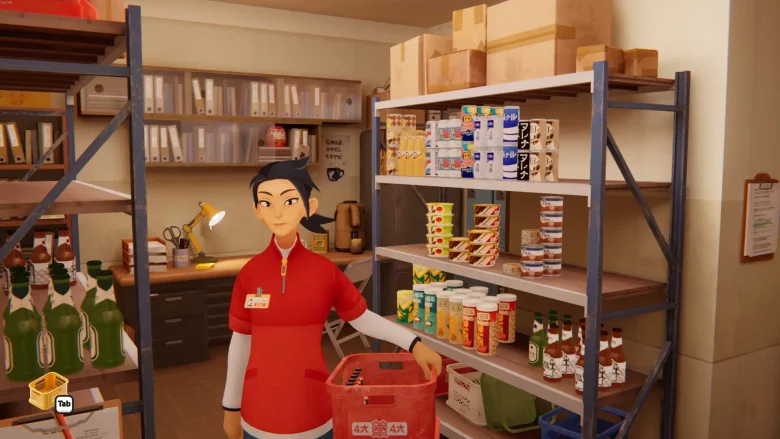
inKONBINI is cosy gaming personified. I play a lot of games to relax, but spending a week in the shoes of a Japanese convenience store worker in the early 90s as she gets to know an eclectic cast of customers is genuinely one of the warmest and most comforting experiences I’ve had with a video game this year.
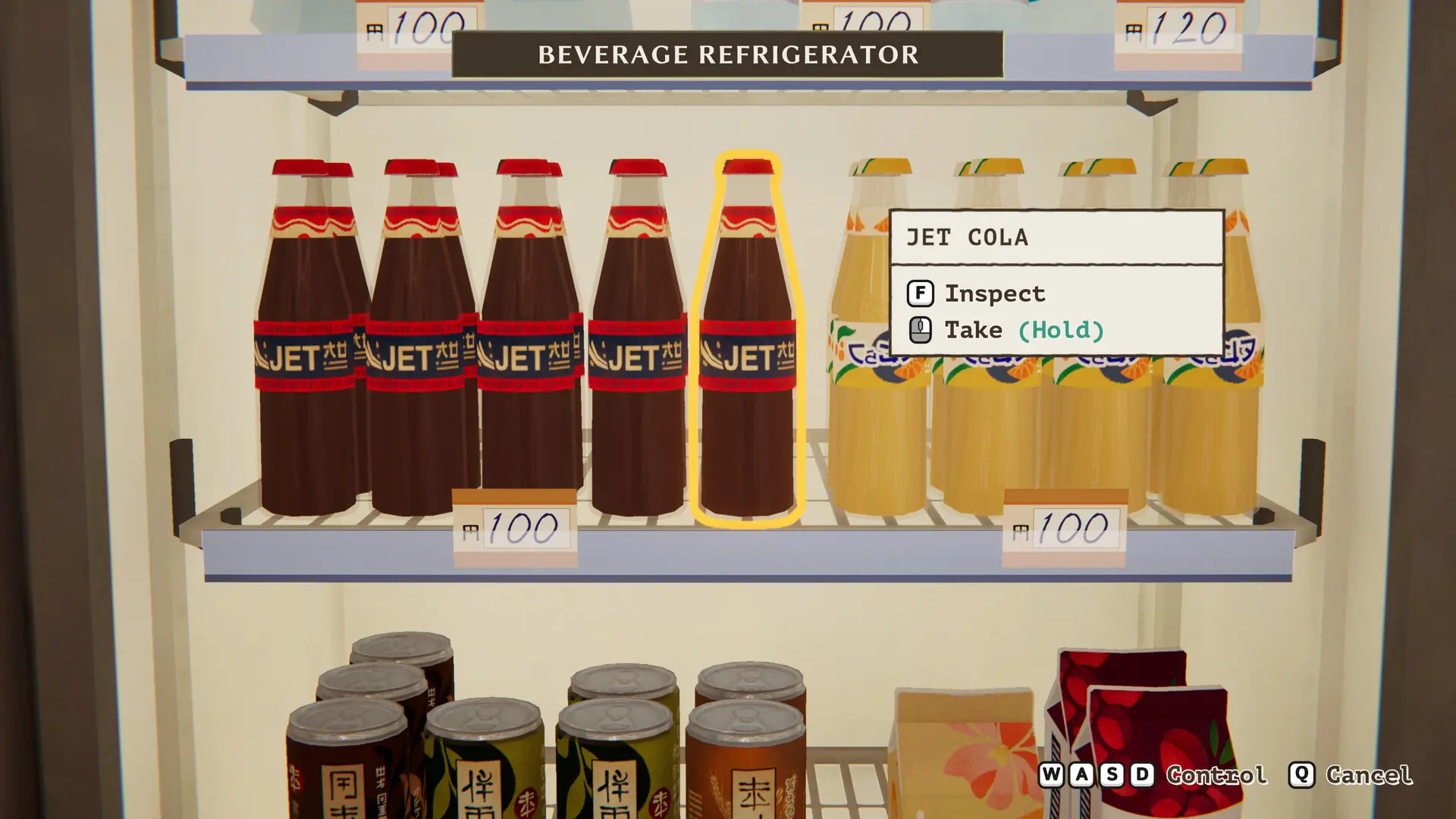
There are two things I absolutely adored about inKONBINI. The first was the store itself, Honki Ponki Konbini. Now, I’ve never been to Japan and I was three at the time the game is set, but as someone who’s found himself on Japan convenience store TikTok more than once, the setting feels incredibly authentic to me. Every aisle feels like a tight squeeze, bordering on cramped at times, with shelves showing a mish mash of items, many of which seem inspired by real life favourites (Kikko-nyan soy sauce, anyone?). Big chunky crates for carrying items, a suitably retro “Csaio” till and a table in the corner to sit, eat and watch the world go by all help make this feel like a real and well-loved community spot.
The other thing I loved was the cast. From Chief, the old man who looks for signs everywhere, to Naomi who’s adjusting to life in small town Japan after a stint in the big city where she enjoyed a fast-paced job and a preference for Western food, these are characters I wanted to learn more about. The game gives you ample time to do this, thankfully, with most of them coming in every night to pick up a few odds and ends, giving you a chance to speak to them, help them find the right items and ponder some of the big questions life is throwing at them. Despite a short 4-5 hour runtime, inKONBINI gives you enough time with each character to create a connection, and it’s a genuine joy seeing all these stories coming together in your final shift of the week.
As for what you’ll actually be doing on each shift, it depends on what state the day shift left the store in. The shelves always need stocking, whether that’s putting out fresh items from the stockroom or rearranging the shelves so priority items are more visible. The other employees are great at leaving post-it note instructions for Makoto too, and you’ll often come in to find two or three dotted around with more specific jobs, such as packing up certain items into a delivery box or rotating the items on the special sale shelf. These jobs give you something to busy yourself with in between customers, and while I was never short on things to do, the game can be painfully slow at times. Luckily a trip to the bathroom lets you pass time until the next customer arrives.
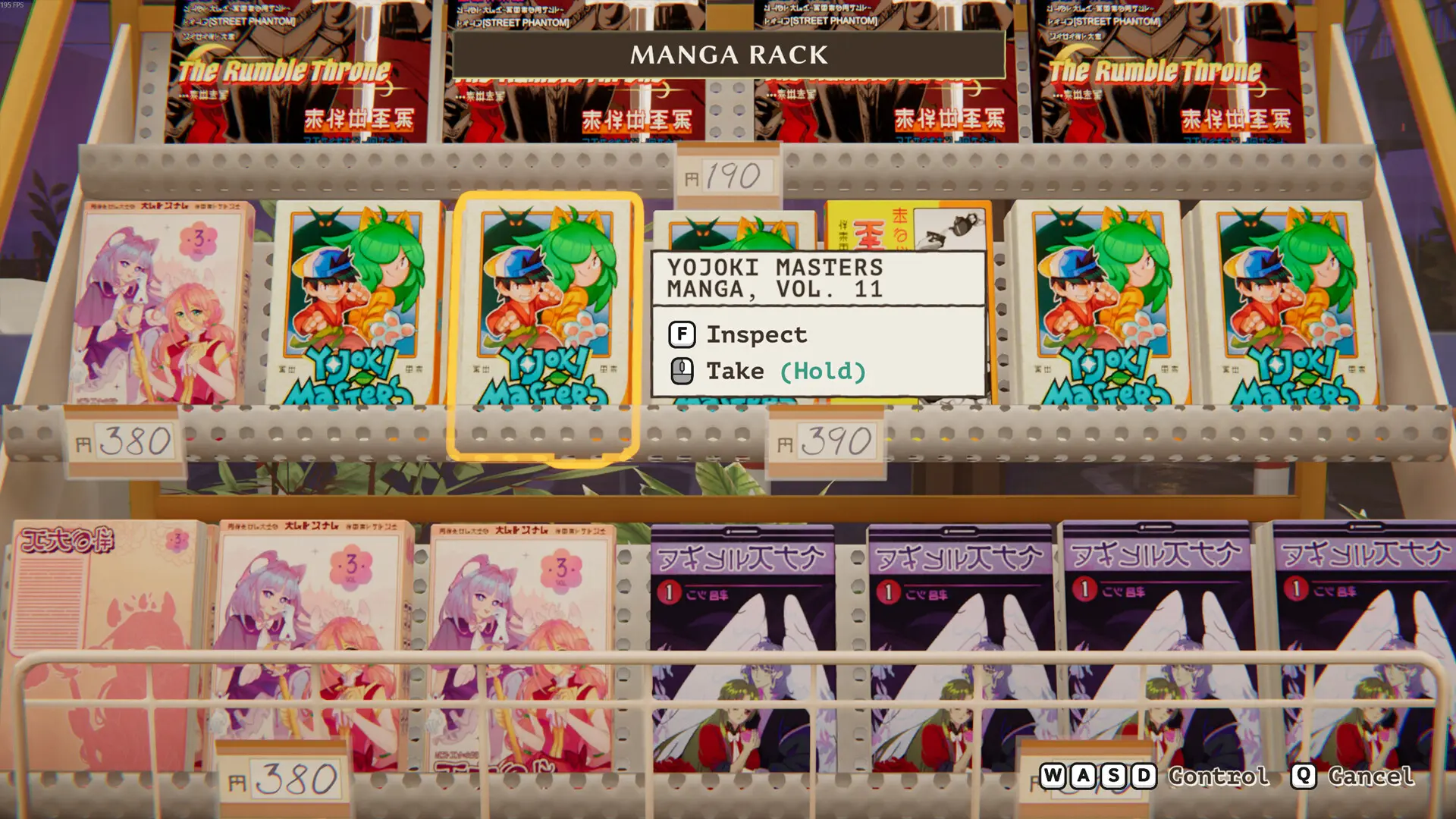
inKONBINI is one of those games I don’t want to say too much about, even though I’m meant to be writing a review about it. So much of the game’s charm is tied to the narrative, and while it’s not full of twists and turns, it’s just a delicious slice of life that you should enjoy first-hand. That said, a large part of the appeal is also found in the overall aesthetic of the game, as you notice all the little details stuffed into Honki Ponki’s tight aisles.
Employees are encouraged to journal throughout the day, and you’ll often find their notebooks left by the coat hooks where you can read how their shift went. Characters themselves are cartoonish in appearance, packed with personality told through their clothes and expressive faces. The music is lovely too, with guitars and synths and beats that just immediately make you feel at peace.
inKONBINI: One Store. Many Stories is a bloody lovely game. A week working in Honki Ponki will leave you with a smile as big as Makoto’s after she hands a customer their change. It might be slow at times, but savour that time with your customers as the payoff is well worth it.