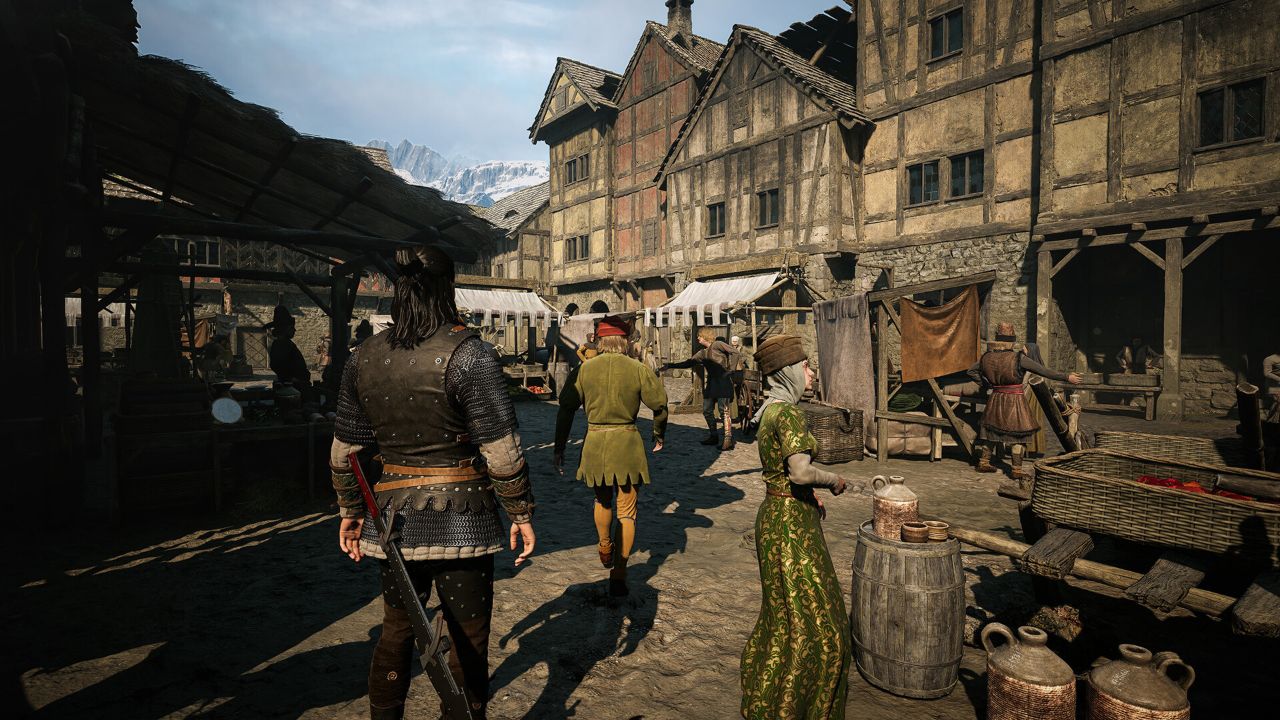
More often than not, it’s quest design that really makes or breaks an open world RPG like The Blood of Dawnwalker. Actually, I say “like” but there isn’t much out there like this at all. Its closest contemporary is probably Kingdom Come: Deliverance 2, although comparisons to The Witcher 3 are hard to ignore. The way the world is laid out, how fast travel works, dialogue screens, even the inventory and vendor UIs, seem designed to invoke Geralt’s adventures.
But it’s also in the tone of the world, the aesthetic, language, and combat animations. Perhaps it’s a byproduct of Dawnwalker being set in the real-world region and time period upon which Andrejz Sapkowski based his epic series. We’re in Carpathia in the Dark Ages, you see, when everything was monsters and magic.
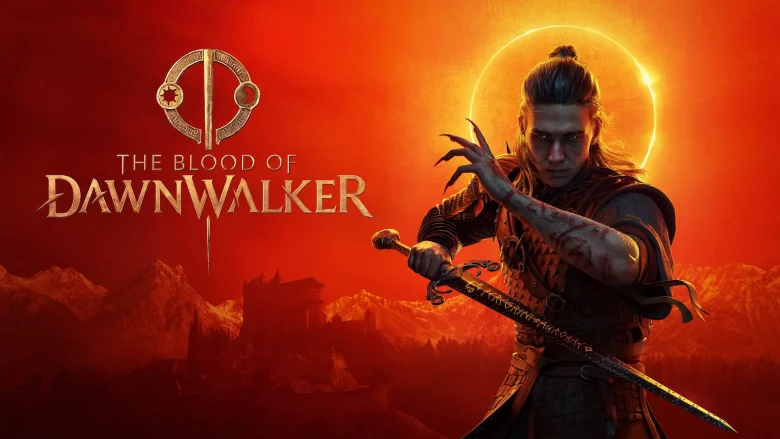
We play as Coen, the titular Dawnwalker, a young man desperate to save his family from Brencis, the Vrakhiri (read: Vampire) overlord of this region. It’s set in our world but feels like fantasy, as it features other non-human races like kobolds and the hulking, goat-like Uriash (based on mountain giants from Romanian legend). There’s also witchcraft, of course, and monstrous beasts that stalk the swamplands.
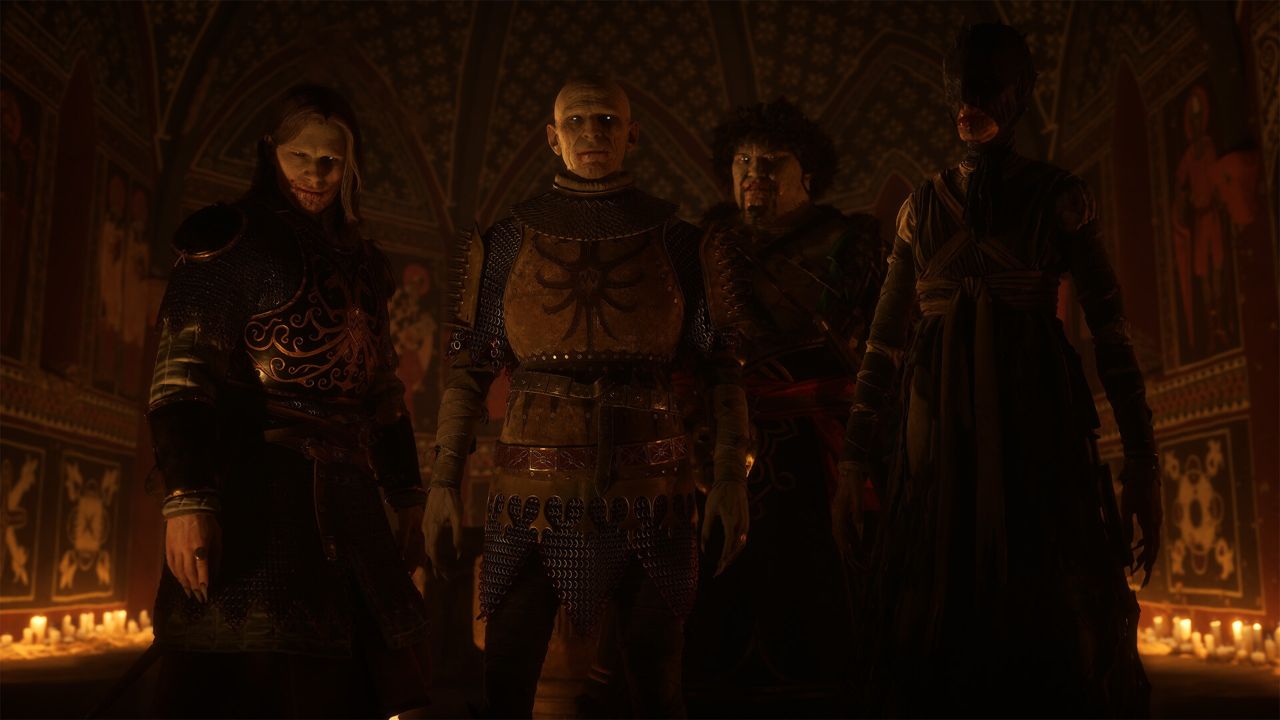
The land is in the grip of the Vrakiri, undead overlords who demand a monthly tithe of blood from their subjects in return for keeping the populace free of the plague. Seems a good deal, until you learn that they also have a tendency to cull the weak in their herd. Coen’s mum is one such, having understandably lost her mind. When things take a turn for the worst during Blood Mass, Coen’s whole village is taken by Brencis, who intends to slaughter them all to mark his coronation in 30 days’ time. He also turns Coen into a Vrakhiri out of pure spite as he does so.
Interestingly, Coen has a rare reaction to his turning that leaves him as a Dawnwalker, a vampire caught between two worlds. By day, he is a normal human with most, though not all, of our limitations. By night he becomes Vrakhiri, inheriting their strengths and weaknesses until the sun rises. It’s this element that really sets The Blood of Dawnwalker apart from other titles. Each of the thirsty days and nights is split into eight chunks of time, and every quest – as well as some other things we’ll discuss – uses a chunk of that time.
The dual states and ticking clock combine to create a highly dynamic, impressively intricate narrative that forces you to weigh everything you do in terms of time and long-term benefit. It also has the fallout of making everything you do feel like critical path. I’ve really never played an RPG that does quest design this way. For example, a chunk of the early game can be spent adventuring alongside Anca, Coen’s Latin teacher and love interest who also happens to be a witch. She’ll teach Coen to use blood magic during the day, something his Vrakhiri blood doesn’t allow at night. I spent a good six hours of playtime with Anca, and while it felt like this was absolutely the main story, I soon learned that there were at least two other questlines I could have followed instead.
Narrative choices deeply affect the story, in ways you might not see until hours and hours later. Because you have such limited time, you can’t possibly give your attention to everything, and some quests can be missed completely if you choose to do other things instead of them. Characters can die, too, which can lock off whole side quests. In fact, if Vrahkiri Coen talks to someone when his health is low, you won’t be able to stop him attacking them and draining their blood, even if they’re his closest friend.
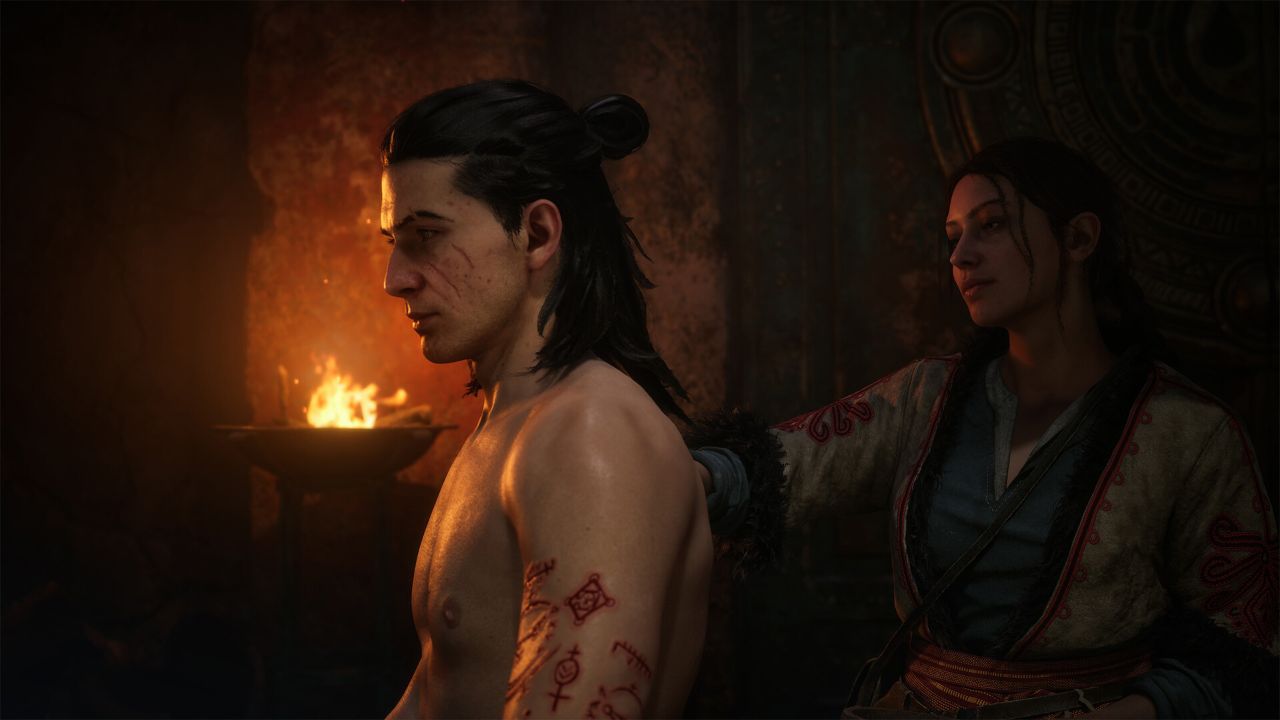
Some choices are blatant, presented with a timer that forces you to make a selection; others are much more subtle, without clear-cut rights or wrongs. An example is the way a mid-game questline unfolded for me and a colleague who both completed the same side quest hours before with satisfactory, “happy” endings. But a choice we made differently at the time, where both avenues seemed correct, yielded completely different, unexpected results later. If a single playthrough takes you 30 hours, I’d be willing to bet there’s at least 90 hours of gameplay required to see all the choices played out – if indeed it’s possible at all. Compared to one of my other favourite open world fantasy RPGs of this year, Crimson Desert, Dawnwalker just feels much more streamlined and focused in its structure.
Coen is a steadfast, resolute, gallant young man regardless of your choices, but you can imbue him with a real sense of honour or a cruel streak depending on your dialogue choices. I tried to play my Coen like a dark avenger, helping those in need but treating Vrakhiri sympathisers with ruthless contempt, but even that gave me pause on a few occasions when it wasn’t so clear cut. It’s hard to put into words just how compelling and well designed the narrative is in The Blood of Dawnwalker, and it really is the crutch upon which everything else leans.
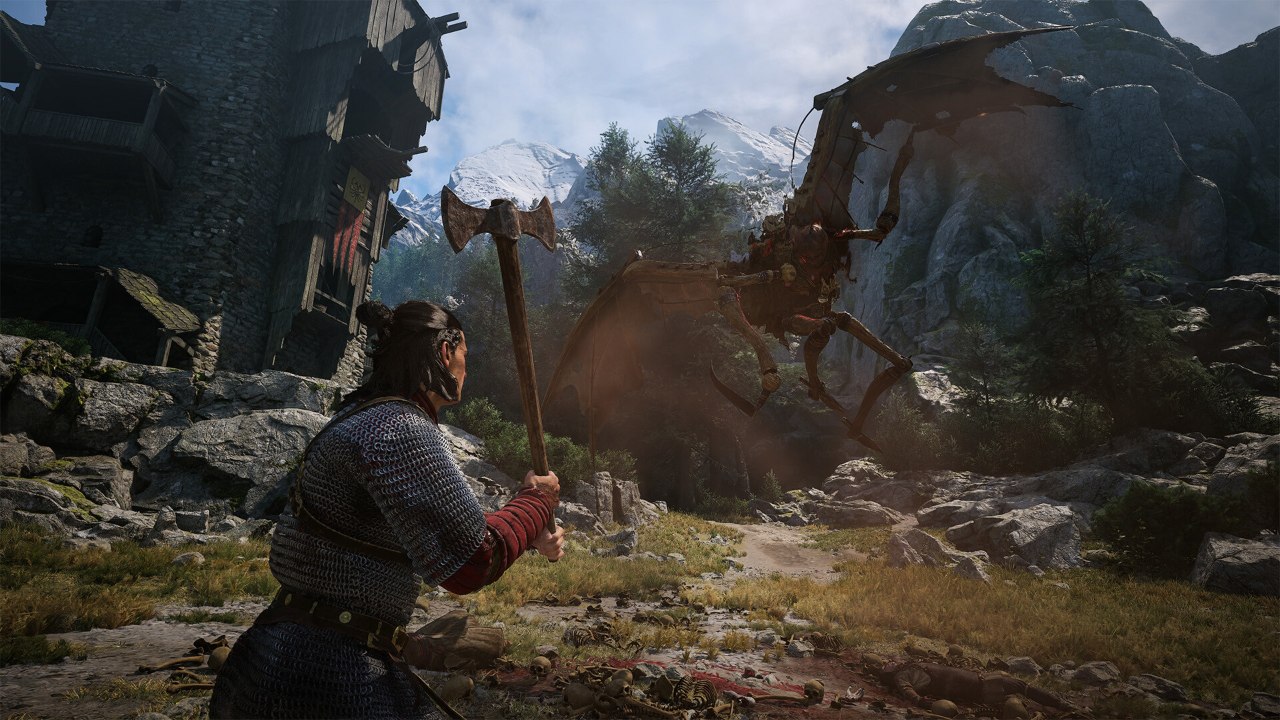
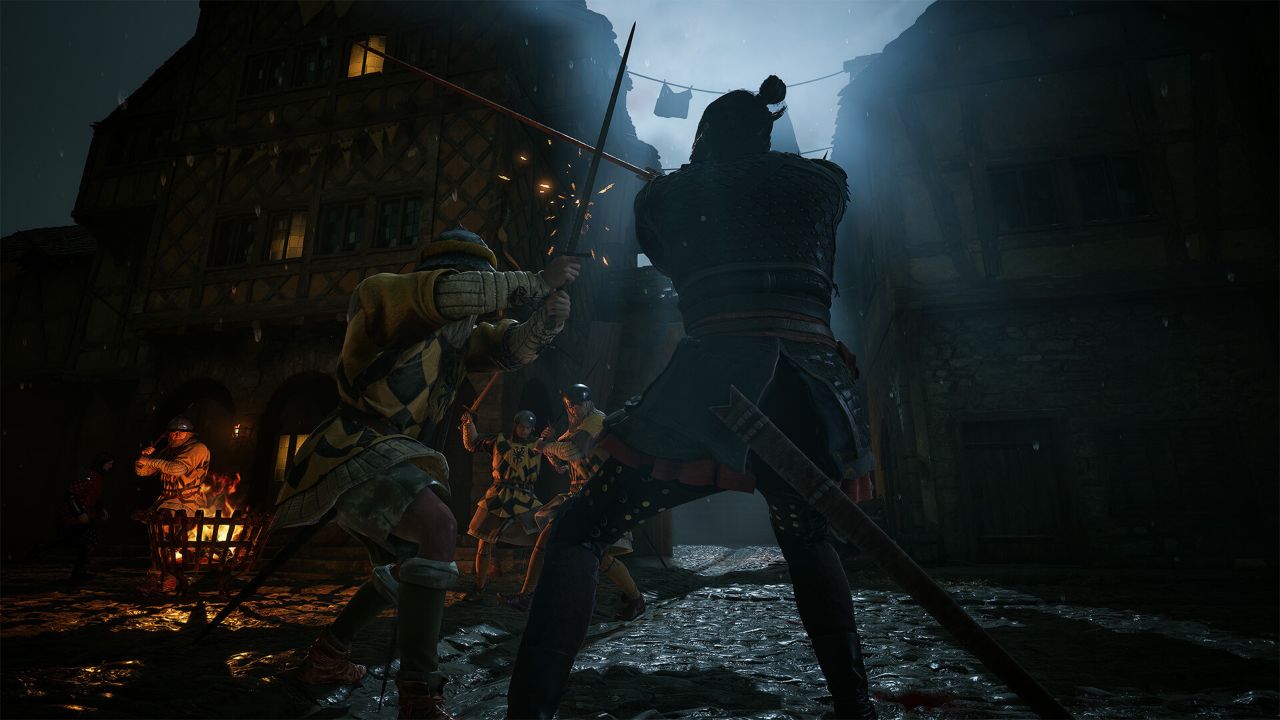
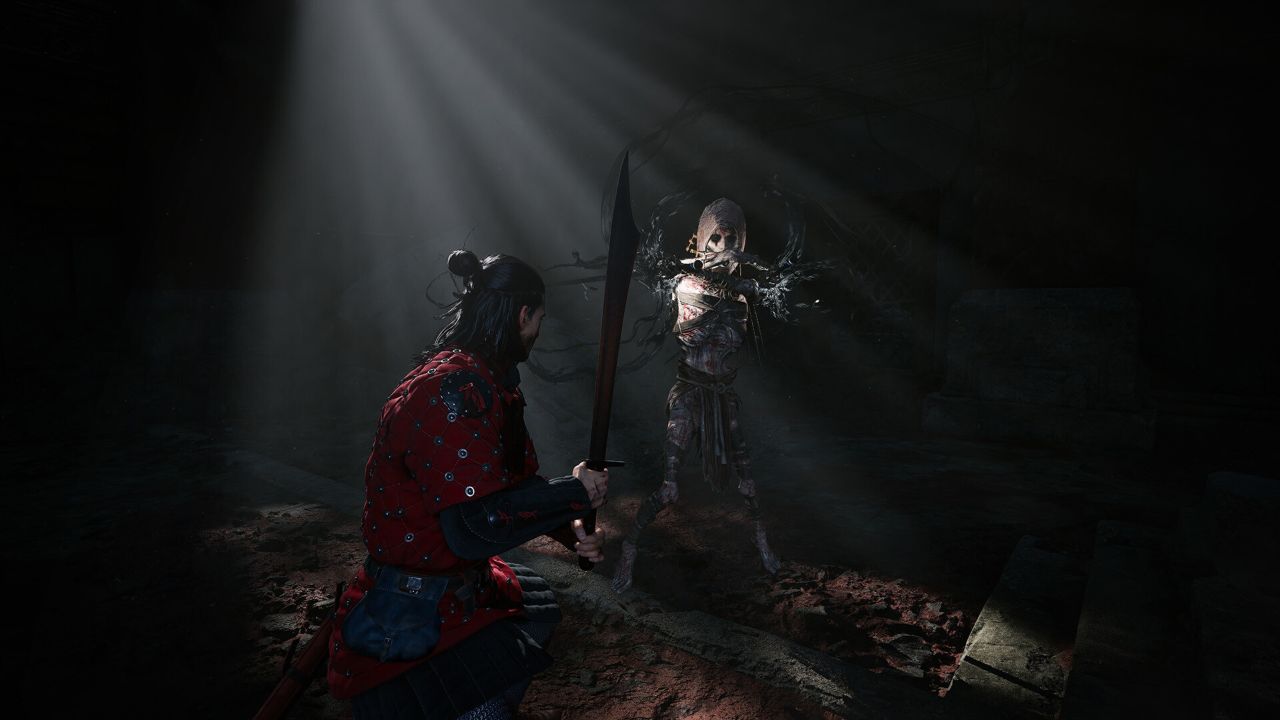
Combat is half excellence and half frustration, for example. For the first few hours I had to drop the difficulty in order to deal with damage-sponge enemies and Coen’s inherent squishiness. The melee is direction-based, so enemy indicators will show you which way they’re swinging and which way you can attack to score a critical. Blocking the correct way prevents stamina loss and builds up your Activation Points, which in turn allow you to use either Swordmastery, Witchcraft, or Vampirism skills in combat. By the time you’ve hit around level 12 and put points into the three skill trees that increase stamina, health regen, and critical damage, and improved Coen’s sword and armour, combat becomes much, much easier. But a mid-game quest that stripped me of my gear and most of my abilities showed just how reliant the game is on power creep to make combat survivable.
When combat finally clicked for me, I fell in love. Every fight becomes a battle of wills as much as steel, as you parry, riposte and position to keep multiple enemies at sword’s length. They close on you together, necessitating quick reactions and clever use of your available skills and potions. You can craft dozens of consumables from foraged ingredients that help in combat for either form, and even on standard difficulty they become essential by late-game. I hope Rebel Wolves consider patching the early game to bring the difficulty curve in-line, as right now the early hours are a little too punishing on the default difficulty, and the mid to late game leans towards too easy outside specific boss fights. And the boss fights themselves are mostly tough because they require an immediacy and dexterity in Coen that the engine struggles to provide, meaning dodges can feel too sluggish and it’s easy to get staggered by unique special attacks.
My first real issue with The Blood of Dawnwalker comes down to the way time is doled out in certain areas. All quests have a time cost, and although most are one to three segments, some of the main story quests cost as many as nine in one go because they take place over a whole night or day. But you’re also charged time to fix certain fast travel points, and almost every skill on the skill trees costs one segment as well as a skill point. I spent most of the game carrying twelve to twenty skill points as well as vampire points (earned purely by drinking blood) because I don’t want to waste the time on improving my stats by increments. Conversely, fast travel is always free. In my mind, fast travel should use a segment and encourage travelling by foot, and learning skills should be free because you’ve already earned the necessary experience. Makes sense to me, anyway.
Many skills also require you to find training manuals like how you learn crafting recipes, adding another layer to the trifle. But like everything in The Blood of Dawnwalker, it’s designed to make you think hard about your choices. And anyway, exploring the world is worth it, as you have an extra-fast magical run or wolf form to get around quicker, and there’s loads of secrets hidden off the beaten path.
That said, The Blood of Dawnwalker’s biggest problem by far is the performance. There’s jank everywhere, from clipping in combat to NPC behaviour. As a vampire Coen can walk on walls and teleport jump, but it’s handled in such a clunky way that I kept mostly avoiding it. Low overall stamina means you can’t make it up most walkable walls without falling off, and it changes Coen’s orientation but not the POV, so often you’re staring at his arse upside down because the camera shit itself. It will also be a bone of contention to some that you’ll need a day one patch to reach anywhere close to 60fps, and it may not be stable at that. Time will tell on that one, but I can say with total honesty that I simply didn’t notice anything detrimental a result of the framerate.
But after experiencing the breadth and depth of the campaign, these issues feel kind of minor. The combat was a pain at first but I pushed through and it became pretty well-balanced by mid-game, and I can ignore some jank in the tank when the world looks so good and there’s so much intricacy to the quest and narrative design. The Blood of Dawnwalker almost, almost, hits the heights of The Witcher 3 at times, and certainly stands above any other pretender to CDPR’s crown. Some of the dialogue is weirdly anachronistic, like when Coen uses terms like “nightmare fuel” and one character tells him to “cut the shit” or says “what the actual fuck” in 9th century Carpathia, but that’s a problem with modern writing in general.
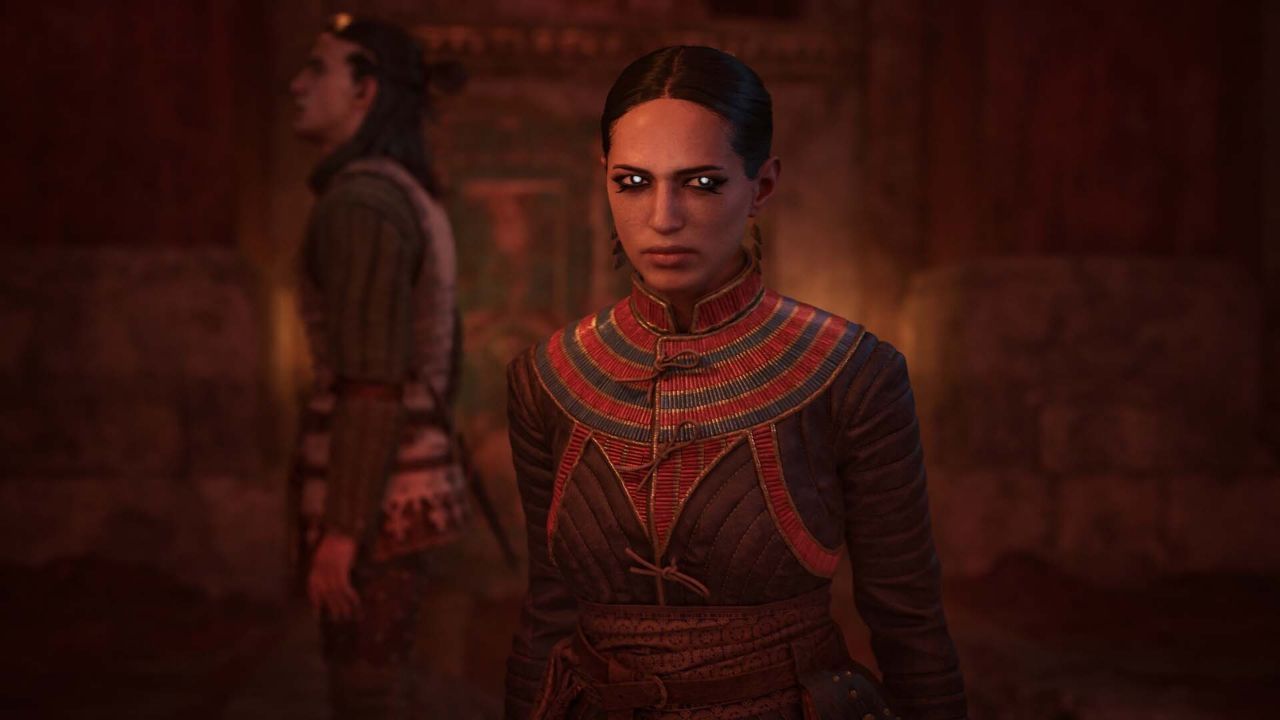
On the plus side, the way Rebel Wolves write female characters in The Blood of Dawnwalker is fairly impressive. There are several main female NPCs who Coen will work alongside, and while some are romance options, that’s not their only purpose in the story. Anca is vulnerable but galvanised by a harsh cloistered upbringing, Lacra is powerful and headstrong, Sara is capable and honourable. It would have been very easy to give these characters stock personalities or have them just be there to score points off Coen, but they and the rest of the cast present a line-up of well-rounded characters with few obvious clichés.
There’s also not one, but two ways (I’ve found so far) to end the game early, which is impressive. The voice work and character development, even for side characters, is excellent all round, and makes you care for or despise everyone Coen crosses paths one way or another. It’s compelling, effective storytelling that pulls no punches and isn’t afraid to go to some very grim places.
Overall, The Blood of Dawnwalker is an excellent fantasy RPG that’s not afraid to go very, very dark at times. It’s gory and sometimes incredibly macabre, but it can also be humorous and moving. The quest system is unique, setting it apart from its contemporaries and offering more replay value than most modern games can manage. If you can get past the jank and come to terms with the early game combat, it’s one of the best open world RPGs available right now.