

Did you know sailboats have storm sails? I didn’t, but that fascinating tidbit is one of the first things I learnt upon starting WILL: Follow the Light. If you’re interested in the minutiae of sailing then you’ll probably get on with the game, but if you’re looking for an engaging narrative in this puzzle-powered walking sim then you may be disappointed.
The titular Will is singular in his goal: find his son and father after a catastrophic storm devastates their home. His story is told through his actions and conversations with the supporting cast, and takes you through a number of varied environments. It’s supplemented with notes dotted around that tell you more about the world and the people in it, with Will often transposing the more important pieces into his journal, adorning them with his own notes which I thought was a nice touch and you get little flashes of his personality through his scratchings.
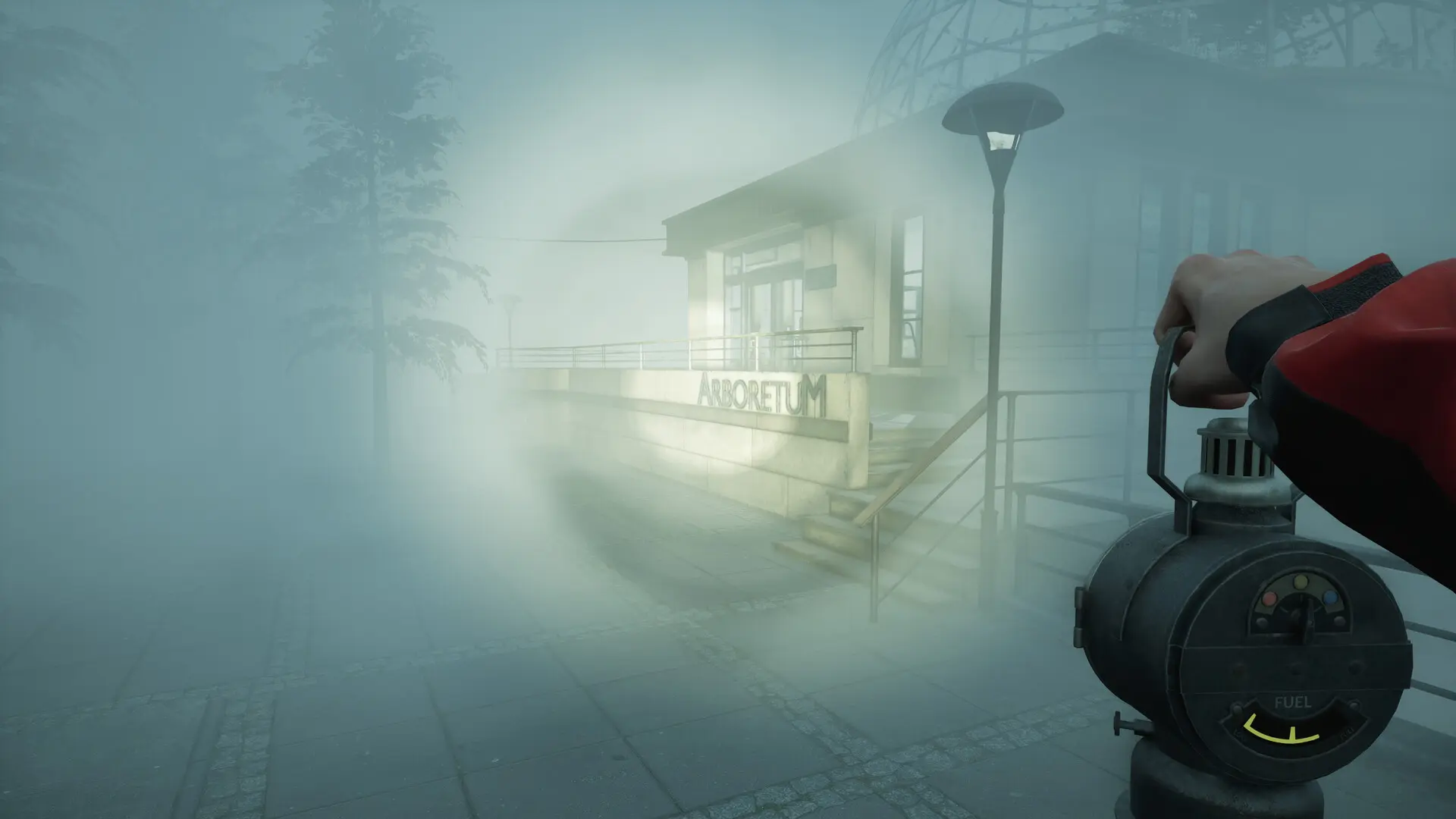
It’s a good thing too, as Will is unfortunately one of the dullest characters I’ve seen in a video game. I appreciate he’s meant to be an Average Joe, but my God was it hard to build a connection with him or care about his journey. You could describe him as understated, but I think he borders more on being boring, and there’s essentially nothing about him that stands out as noteworthy or interesting. He doesn’t even sound like a real person at times: at one point, as he’s scrabbling through the storm-wrecked town to find his son he spots his neighbours car and calmly says “my neighbour worked hard for that car and really cared for it. I hope he’s safe”. He didn’t even bother to refer to him by name! It felt jarring and unnatural, but it did at least stand out to me in a sea of dull dialogue so I suppose it’s not all bad.
This is a thread that pulls through to the mechanics too. There’s a fine line between being a slow burner and just being dull, especially when you’re playing a walking simulator. Initially I thought WILL: Follow the Light sits on the right side of that divide. You start off helping out at a weather monitoring station, and while it’s not exactly a mile-a-minute, it’s the sort of tactile detail that I appreciate in gaming. Unfortunately this level of pacing applies to much of the rest of the game too, and it very quickly made me lose interest.
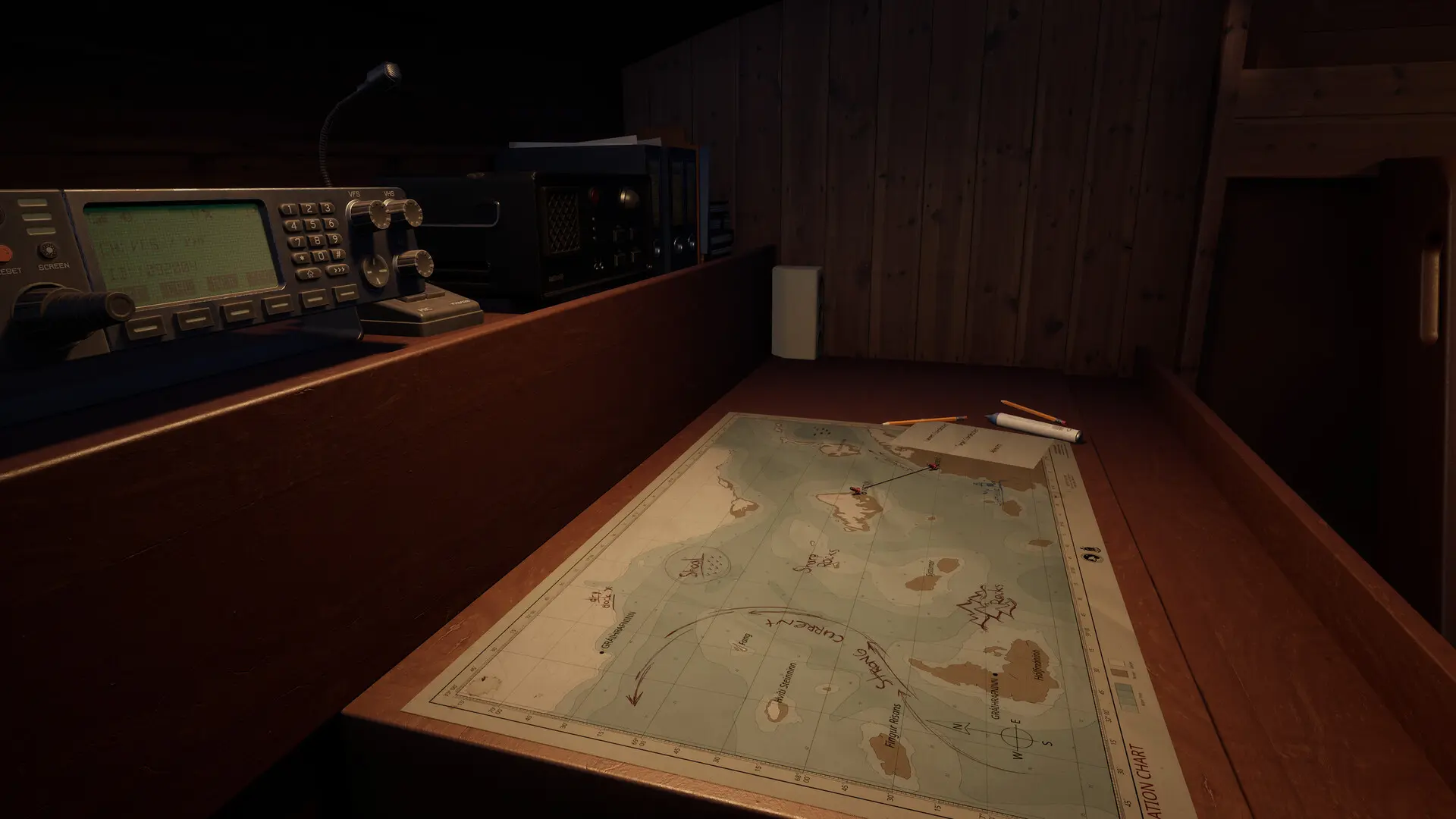
Sailing is a key example of this. It’s one of the game’s key mechanics but there’s so much faffing about with it that I didn’t want to engage with it. I appreciate it’s meant to feel realistic, but I didn’t enjoy the arduous process of marking a destination on the map, undocking the boat, switching on the engine and setting the sails before you could even start moving. When you’re in motion there are other things you need to bear in mind too, and if I’m being brutally honest, there’s too much to think about and it’s all a bit confusing.
The puzzles are similarly lengthy and obtuse at times too. While they’re varied in nature, I often found myself frustrated at the solutions required. One early puzzle requires you to put together a spark plug for your boat, with your only instructions being a poorly detailed sketch showing a bisected example. There are over 20 pieces on the table for you to make use of and while I had a vague idea of how each piece would be used it was never truly clear where they went so I ended up just brute forcing it. This happened in a couple of later puzzles too: I wasn’t quite sure of the answer (despite following the in-game instructions) so I guessed until I got the answer right. This is a stark contrast to the recently released Call of the Elder Gods, which I’d argue is a somewhat similar style of game but not only is it immediately more interesting, it pitches its puzzles perfectly.
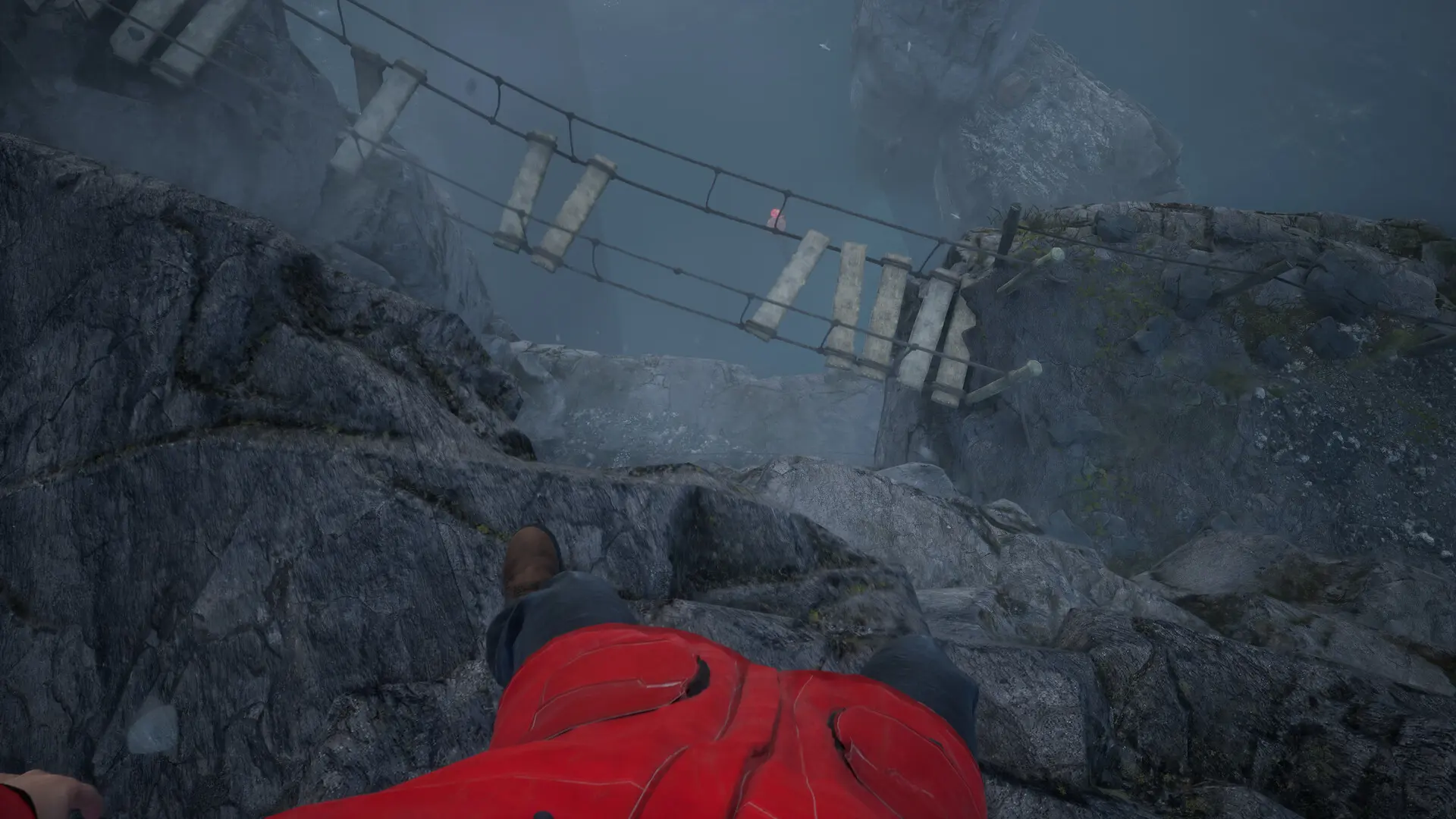
It’s a shame that these core mechanics didn’t grab me, as WILL: Follow the Light is a gorgeous game and exploring on foot was genuinely interesting. Had this been a more traditional walking simulator (with a more interesting protagonist) I perhaps would have felt more differently about it, as the environments are impressively detailed even at medium settings on a handheld PC. They feel very realistic and the interiors are clearly lived in, with personal effects dotted around that reflect the people living there. The town at the start of the game was my favourite, and even when dealing with a crisis it felt like a believable slice of semi-rural life.
Despite this lovely looking world and a story so driven by mystery, I wasn’t able to get past Will as a character. He simply bored me, and left me in a difficult spot where I just couldn’t connect with him or the events of the game, which compounded my issue with the obtuse nature of the puzzles. Still, if you like a slow burn and can look past Will’s lack of personality then your mileage may well vary.